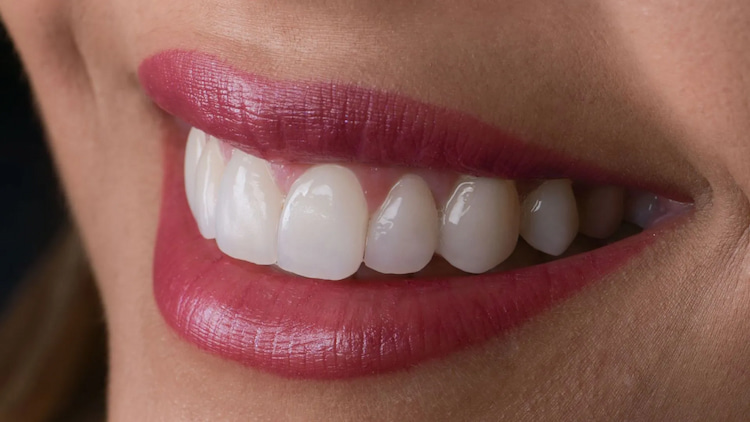
Dental veneers are designed to improve the appearance of your smile while allowing you to continue enjoying most of your favorite foods. However, many patients are unsure about what they can eat after veneers.
Veneers are strong, durable, and made to function much like natural teeth. While there are a few precautions to follow during the healing and adjustment period, most patients can return to a normal diet once their permanent veneers are securely bonded. Knowing which foods are safest and which habits to avoid can help protect your investment and extend the life of your veneers.
This guide explains everything you need to know about what you can and can’t eat after veneers, including foods to enjoy and avoid, as well as practical tips for maintaining your new smile.
Can You Eat After Veneers?
One of the first questions patients ask after treatment is whether they will be able to eat after veneers. In most cases, the answer is yes, but you should be careful with what you eat after veneers.
Permanent veneers are designed to withstand everyday chewing and biting forces. Once they are properly bonded and your mouth has adjusted, you can enjoy most foods without significant restrictions. However, veneers are not indestructible. Certain foods to eat after veneers and habits can increase the risk of chips, cracks, or premature wear.
The first few days after treatment are especially important because your teeth and gums may still be adjusting. Learning a few practical veneer care tips and understanding how daily habits affect your restorations can help you protect your new smile and avoid unnecessary damage.
If you are considering veneers or want to learn more about the treatment process, read our guide on essential exams before veneers and explore whether dental veneers can damage your natural teeth so you can make a confident and informed decision about your smile.
What Happens During the First Few Days?
After veneer placement, some patients experience mild sensitivity to hot or cold foods and beverages. This is usually temporary and improves as your teeth adapt. Choosing softer foods during this period can make eating more comfortable and reduce unnecessary pressure on your new veneers.
How Long Does It Take to Adjust to Veneers?
Every patient is different. Some people feel comfortable within a day or two, while others may need a few weeks to fully adjust. Your bite may feel slightly different at first because the shape and surface of your teeth have changed. This sensation typically disappears as your mouth becomes accustomed to the veneers.
Developing good daily habits and following proper veneer care recommendations can also help protect your new smile and support the long-term durability of your restorations.
Care Tips During the Adjustment Period
| Care Tip | Why It Helps |
|---|---|
| Choose soft foods such as yogurt, eggs, pasta, and soup | Reduces pressure on newly placed veneers |
| Avoid biting directly into hard foods | Helps prevent unnecessary stress on the veneers |
| Limit very hot or very cold foods if sensitivity occurs | Minimizes discomfort while teeth adjust |
| Maintain gentle brushing and daily flossing | Keeps teeth and gums healthy during healing |
| Follow your dentist’s aftercare instructions | Supports proper adaptation and long-term veneer success |
Best Foods to Eat After Veneers
Choosing the right foods to eat after veneers can help improve comfort and reduce sensitivity.

Soft Foods During Recovery
Soft foods are often recommended after veneers for the first few days because they require less chewing and put less pressure on your teeth. These foods provide nutrition while allowing your mouth to adjust comfortably.
Examples include yogurt, oatmeal, scrambled eggs, pasta, rice, mashed potatoes, smoothies, bananas, soup, fish, and cooked vegetables.
Regular Foods to Eat after Veneers
As sensitivity decreases and your comfort improves, you can gradually return to your normal eating habits. Most patients can comfortably enjoy meats, sandwiches, salads, fruits, vegetables, and other everyday foods once the adjustment period has passed.
Foods to Avoid After Veneers
Although veneers are durable, choosing some foods to eat after veneers can increase the risk of damage:
- Hard Foods That Can Cause Chips: Hard foods create significant pressure on veneers, particularly when biting with the front teeth.
Ice cubes, hard candies, popcorn kernels, and extremely hard nuts are common examples. Repeated exposure to these foods can increase the likelihood of chipping or cracking.
- Sticky Foods That Stress Veneers: Sticky foods can pull against veneers and place stress on the bonding material.
Caramel, toffee, taffy, and similar foods should be consumed carefully, especially if you have temporary veneers.
- Tough Foods That Require Excessive Force: Certain foods require strong biting pressure that may place unnecessary strain on veneers.
Examples include beef jerky, tough meats, thick bagels, and hard pizza crusts. Cutting these foods into smaller pieces can help reduce stress on your veneers.
If you have already chipped a veneer while eating, it is important to have it assessed promptly. Learn more about your options in our guide on chipped veneer repair vs. replacement.
Can You Drink Coffee, Tea, and Wine With Veneers?
Many patients worry that their favorite beverages will stain their veneers. Porcelain veneers are highly resistant to staining. Coffee, tea, and red wine are less likely to discolor porcelain compared to natural tooth enamel. However, maintaining good oral hygiene remains important because surrounding natural teeth can still develop stains over time.

Composite veneers are generally more porous than porcelain veneers. As a result, they may absorb stains more easily from coffee, tea, red wine, and tobacco products. Patients with composite veneers should be especially mindful of their consumption habits.
If you are concerned about the appearance of your veneers, read our guide: What to Do If Your Dental Veneers Look Yellow.
How to Protect Veneers While Eating
Simple eating habits can significantly affect the longevity of your veneers.
Avoid Biting Directly With Front Teeth
Whenever possible, avoid biting directly into very hard foods with your front teeth. Instead, cut foods into smaller pieces and chew with your back teeth, which are better suited to handle greater chewing forces.
Be Careful With Crunchy Foods
Crunchy foods such as apples and carrots can still be enjoyed. Rather than biting into them directly, consider slicing them into smaller pieces before eating. This reduces pressure on the veneers and lowers the risk of damage.
Never Use Teeth as Tools
Using your teeth to open packages, tear tape, or bite fingernails can place unnecessary stress on veneers. These habits should be avoided to help preserve the integrity of your restorations.
If you would like to learn more about how dental veneers work and what to expect from treatment, Healthline provides a helpful overview.
Habits That Can Shorten the Life of Veneers
What you can eat after veneers is only one factor that affects veneer longevity. Preventive care is one of the best ways to maximize the lifespan of your veneers:
- Teeth Grinding and Clenching: Grinding and clenching can place excessive pressure on veneers and natural teeth.
- Poor Oral Hygiene: Even though veneers cannot develop cavities, the natural teeth underneath them still require proper care. Brushing, flossing, and regular professional cleanings help maintain healthy gums and support the long-term success of your veneers.
- Missing Routine Dental Visits: Regular dental examinations allow your dentist to monitor your veneers and identify potential concerns before they become more serious.
Keep Your Veneers Looking Their Best!
Whether you are interested in what you can eat after veneers or our other services, such as teeth whitening, dental crowns, bridges, dental bonding, preventive care, or routine cleanings, our experienced team is here to help. Schedule your appointment today!
Meet Your Cosmetic Dentist
At Downtown Toronto Dentistry, Dr. Farokh Asefzadeh provides cosmetic and restorative dental care, with a strong focus on creating healthy, natural-looking smiles.
Dr. Farokh Asefzadeh Profile
• Cosmetic dentistry
• Esthetic smile design and dental veneers
• Teeth whitening and advanced cosmetic treatments
• Restorative and reconstructive procedures
• Emergency dental care
• Research and education in modern dental techniques
Know What You Can and Can’t Eat After Veneers
Knowing what you can and can’t eat after veneers can help protect your new smile and reduce the risk of unnecessary damage. While most patients can return to a normal diet after their veneers have settled, being mindful of hard, sticky, and potentially damaging foods can help preserve both the appearance and function of your restorations.
Following recommended aftercare instructions and maintaining good oral hygiene are all important steps in extending the lifespan of your veneers. Simple habits such as avoiding chewing ice, cutting hard foods into smaller pieces, and attending regular dental checkups can make a significant difference over time.
Please remember that the information in this guide is provided for educational purposes only. Recommendations regarding foods and drinks to eat after veneers may vary from patient to patient, depending on the type of veneers, bite habits, oral health, and individual treatment plan. Only a professional dental examination and personalized advice from your dentist can determine the most appropriate aftercare recommendations for your specific needs.
FAQ
-
Can I eat immediately after getting veneers?
Yes, most patients can eat after veneers, but softer foods are usually recommended during the first 24 to 72 hours for comfort.
-
What foods should I avoid after veneers?
Hard foods, sticky foods, and foods that require excessive biting force should be approached carefully to reduce the risk of damage.
-
Can veneers break while eating?
While veneers are durable, they can chip or crack if exposed to excessive force from hard foods or harmful habits.
-
Are temporary veneers more fragile?
Yes. Temporary veneers are less durable than permanent veneers and require additional dietary precautions.
-
Can I eat apples and carrots with veneers?
Yes. Cutting them into smaller pieces instead of biting directly into them can help protect your veneers.
-
How long do veneers typically last?
Porcelain veneers often last 10 to 15 years or longer when properly cared for.
Have Questions About What to Eat After Veneers? Share your questions in the comments below.
Our team is happy to provide guidance and help you understand how to care for your new smile.