Many patients considering dental veneers ask the same question: “What should I know before I commit?”
The truth is that veneers can create beautiful, natural-looking results, but there are important steps, limitations, and long-term responsibilities that you should understand before starting treatment.
In this article, you’ll learn the key before-and-after secrets that help you make an informed and comfortable decision.
7 Before and After Secrets About Dental Veneers Every Patient Should Know
These “secrets” aren’t scary; they’re simply important truths that help you walk into treatment feeling informed, relaxed, and confident:
1. Veneers Often Require Enamel Removal
To make room for porcelain veneers, a thin layer of enamel is usually trimmed from the front of your tooth. This helps the dental veneer sit naturally and prevents the tooth from looking bulky. The procedure is comfortable because enamel has no nerves, but the change cannot be reversed.
2. You May Experience Sensitivity
Some patients notice temporary sensitivity to hot or cold foods after enamel preparation. This usually fades once the final dental veneers are placed and the teeth adapt. Good materials and careful bonding techniques reduce sensitivity, but it’s a normal part of the process for many people.
3. Dental Veneers Require Good Oral Hygiene
Dental veneers themselves do not decay, but the natural tooth underneath them still can. That’s why brushing twice a day, flossing daily, and attending regular dental checkups are essential. Those who skip maintaining oral hygiene or have untreated gum issues may notice staining around the edges or loosening over time.
To understand how veneers interact with your natural teeth and whether they pose any risks, explore this helpful guide on dental veneer risks on natural teeth.
4. Your Results Depend on Custom Design
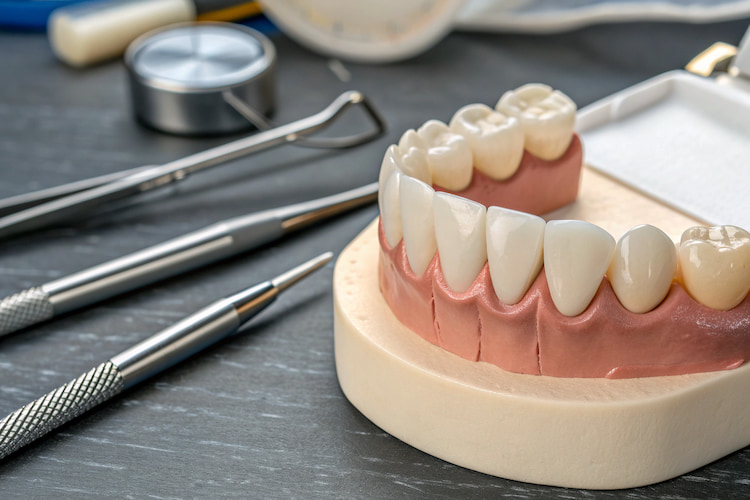
The natural look of veneers depends heavily on your dentist’s skill and the quality of the dental lab. Your dental veneers should match your skin tone, facial features, lip curve, and even your speech patterns.
Poorly designed veneers can look bulky, too white, or mismatched, which is why choosing a skilled cosmetic dentist is essential.
5. Veneers Can Last Many Years but Not Forever
Porcelain veneers are strong, but like all dental restorations for oral health, they have a lifespan. Most last 10–15 years, and sometimes even longer, with excellent care. Composite dental veneers typically last 4–7 years before they need touch-ups or replacement.
6. Grinding or Clenching Affects Longevity
If you grind your teeth (even mildly), veneers can chip, crack, or loosen over time. Many patients grind without realizing it, especially at night. Your dentist may recommend a custom nightguard to protect your veneers and natural teeth.
7. Not Everyone Is a Good Candidate
Healthy gums, strong enamel, and a stable bite are key to successful veneer outcomes. Patients with gum recession, untreated decay, or significant alignment issues may need other treatments first. Read more for a closer look at how dental veneers work for the beauty of your smile.

What Veneers Can Improve
Dental veneers are an excellent choice for cosmetic improvements that do not require major orthodontic or restorative treatment. They can help with:
- Discoloration that doesn’t respond to whitening
- Small gaps between teeth
- Worn edges, uneven lengths, or natural shape issues
- Minor chips, cracks, or asymmetry
- Slight misalignment where braces or aligners are not necessary
These improvements create a balanced, even smile without extensive dental work.
What Veneers Cannot Fix
Veneers are not meant to fix major dental problems. They cannot correct serious bite or alignment issues, active gum disease, tooth decay, infections, or weakened teeth. They also may not work well for teeth with very little enamel, since the veneers may not bond securely. Your dentist will check all of these factors to make sure veneers are safe and appropriate for you.
To understand who is best to consult for these issues, learn the main differences between a cosmetic dentist vs. an emergency dentist.
How to Decide Whether Dental Veneers Are Right for You
According to the Cleveland Clinic, choosing dental veneers is an exciting decision, but it’s also an investment. Understanding how they fit your goals and lifestyle can help you feel confident about moving forward.
Talk to Your Dentist About Your Goals
Some patients want a full smile makeover, while others want to fix one or two teeth. Sharing your expectations helps your dentist create a treatment plan that feels personalized and realistic.
Understand the Process and Materials
Take the time to look at sample cases, shade guides, and material options. Ask your dentist to show you how porcelain compares to composite and what your temporary veneers will look like during the transition period.
Consider Maintenance and Lifestyle Habits
If you love coffee, bite your nails, grind your teeth, or often skip dental appointments, your dentist will explain how these habits affect veneer longevity. Many patients successfully adjust their routines to maintain their new smile.
Thinking About Dental Veneers?
At Emergency Dental Office, our cosmetic dentists provide personalized veneer consultations, digital smile previews, and natural-looking results tailored to you.
Book a fast, friendly appointment today!
Alternatives to Veneers for a Beautiful Smile
Veneers are great, but they are not always the best match for everyone. Some patients achieve wonderful results with simpler treatments that require little to no enamel modification.
Here are two helpful alternatives:
- Teeth whitening for deep stains
- Dental bonding or orthodontics for chips, minor gaps, or mild alignment issues
These options can still transform your smile with less cost and less preparation. For a detailed look at how veneers compare to other treatments, see our guide on a full comparison of dental veneers with their alternatives.
How dental veneers can guide you toward your best smile
If you’re thinking about improving your smile, understanding these before-and-after insights can help you choose the right path with clarity and confidence. Dental veneers can be a fantastic choice when they match your goals, oral health, and expectations.
If you’re ready to explore veneers or want to compare your options, our team is here to guide you with personalized advice. We also offer services such as emergency dental care, dental crowns, teeth whitening, and cosmetic bonding.
FAQ
-
Are veneers permanent?
Veneers are long-lasting but not permanent. Most porcelain veneers last 10–15 years before replacement.
-
Do veneers ruin natural teeth?
When done by a trained dentist, veneers are safe. A small amount of enamel is removed, but the tooth remains strong.
-
Can I whiten my veneers?
No. Veneers do not respond to whitening, so choose your shade carefully.
-
Is the procedure painful?
Most patients experience little to no discomfort during preparation.
-
What if I grind my teeth?
A nightguard can protect your veneers and extend their lifespan.
Have questions about veneers or want to share your experience?
Leave a comment below, we’re here to help guide your smile journey.