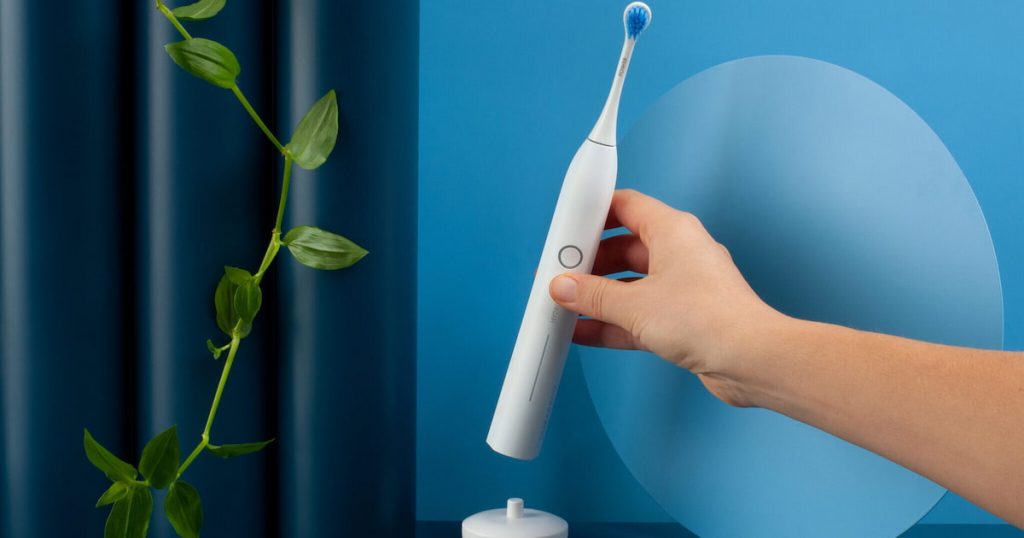
One of the most common questions dentists hear after veneer treatment is whether electric toothbrushes are safe to use. Some people worry that the vibration or spinning motion could damage veneers, weaken the bonding material, or cause sensitivity around the gums.
In most cases, using electric toothbrushes with veneers is completely safe when the toothbrush is used properly. In fact, many dentists recommend electric toothbrushes because they help remove plaque more effectively while encouraging gentler brushing habits. Problems usually occur due to excessive pressure, abrasive toothpaste, or improper brushing techniques rather than the toothbrush itself.
Understanding how veneers respond to daily brushing can help patients feel more confident about caring for their smile. Whether you have porcelain or composite veneers, maintaining good oral hygiene is essential to protecting both the veneers and the natural teeth beneath them.
Are Electric Toothbrushes Actually Safe for Veneers?
For most patients, electric toothbrushes are not only safe for veneers but also often beneficial. Modern electric toothbrushes are designed to clean teeth efficiently without requiring aggressive scrubbing motions.
The vibration or oscillation produced by the toothbrush does not normally damage veneer materials. Veneers are built to tolerate regular chewing forces and standard oral hygiene practices.
A study published in PubMed found that electric toothbrushes did not significantly weaken veneer-style dental restorations after long-term use, indicating they are generally safe when used correctly.
Electric Toothbrushes Help Reduce Plaque
One reason dentists often recommend electric toothbrushes is their ability to improve plaque removal around the gumline. Better plaque control helps reduce the risk of gum disease, which is important for maintaining veneer stability.
Patients who struggle with brushing technique may find electric toothbrushes easier to use consistently and effectively.

Pressure Matters More Than Power
The most important factor is not whether the toothbrush is electric or manual. The real concern is brushing pressure.
Pressing too hard against the veneers and gums may contribute to gum recession or gradual wear near the edges of the veneers. Many modern electric toothbrushes include pressure sensors that alert patients when they are brushing too aggressively.
Learn more about choosing the best toothpastes for your needs in our guide on what kind of toothpaste you should use.
How Electric Toothbrushes Can Damage Veneers
Although electric toothbrushes are generally safe, improper use may still create problems. Most veneer-related complications come from poor habits rather than the toothbrush itself.
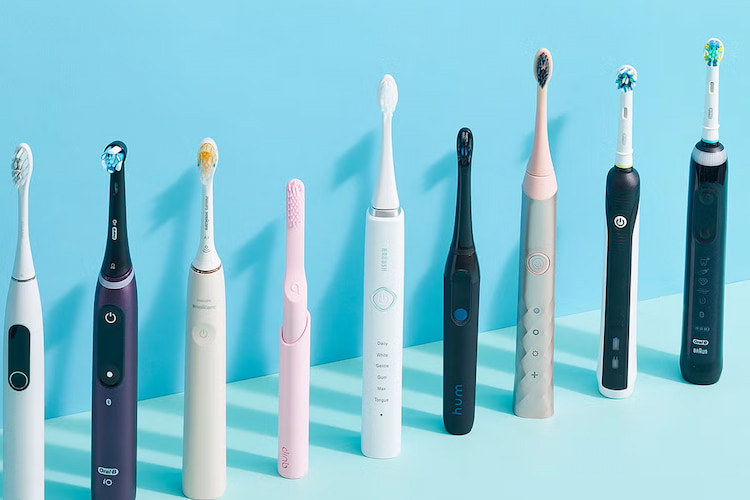
Brushing Too Aggressively
Some patients believe harder brushing creates cleaner teeth, but this is not true. Excessive pressure can irritate gums and slowly wear down bonding materials around veneers.
Gentle contact is usually enough for effective plaque removal when using an electric toothbrush. Proper flossing technique is also important for protecting veneers and gum health, especially around the edges of cosmetic restorations.
Using Hard Bristle Brush Heads
Hard bristles may scratch composite veneers and irritate gum tissue. Dentists typically recommend soft-bristle brush heads because they clean effectively while being less abrasive.
Abrasive Toothpaste Can Harm Veneers
Certain whitening toothpastes contain abrasive particles that may dull veneer surfaces over time. This is particularly important for composite veneers, which are more likely to lose polish from rough products.
Patients should look for non-abrasive toothpaste designed for cosmetic dental work or sensitive teeth.
For more tips on protecting your smile, read our guide on how to make your veneers last longer.
Best Electric Toothbrush Features for Veneers
Not all electric toothbrushes are identical. Some features are especially helpful for patients with veneers.

Soft Bristle Technology
Soft bristles help clean along the gumline without causing unnecessary friction. They are safer for both the veneers and the surrounding gum tissue.
Pressure Sensors
Pressure sensors help prevent aggressive brushing habits by warning patients when too much force is being applied.
Timers for Better Brushing Habits
Built-in timers encourage patients to brush for the recommended two minutes. This improves plaque removal without requiring harder brushing.
Smaller Brush Heads Improve Access
Compact brush heads help patients clean around veneers more carefully, especially near gum margins and between teeth, to prevent bleeding gums and sensitivity.
You can also explore more daily care advice in our guide on dental veneers tips.
Sonic Toothbrushes vs Oscillating Toothbrushes
Patients often ask whether sonic toothbrushes or rotating electric toothbrushes are safer for veneers. Both can be appropriate when used properly.
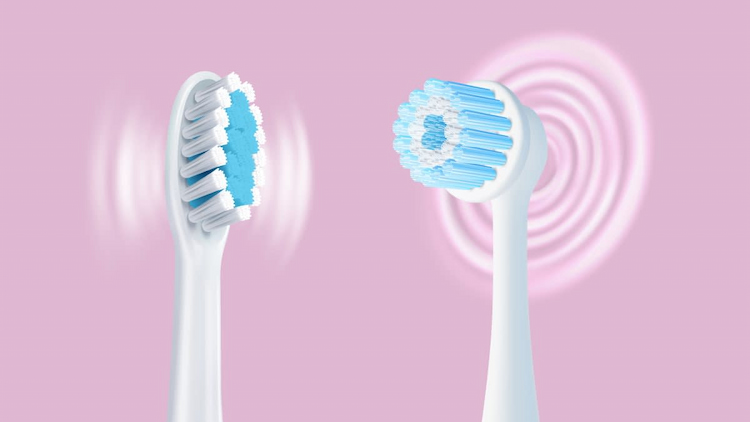
Sonic toothbrushes use rapid vibrations to help remove plaque with minimal physical pressure. Oscillating toothbrushes rotate or spin to clean tooth surfaces directly.
- Sonic Toothbrushes Are Often Gentler: Many patients with sensitive gums prefer sonic toothbrushes because they create less direct pressure during brushing.
- Rotating Brushes Can Still Be Safe: Oscillating toothbrushes are also considered safe for veneers when paired with soft brush heads and gentle technique.
The best option often depends on patient comfort, brushing habits, and gum sensitivity.
Protect Your Veneers With Professional Dental Care!
Whether you recently received veneers or want to maintain an existing smile makeover, professional guidance can help keep your veneers healthy and natural looking for years. Schedule an appointment with Emergency Dental Office today!
How to Brush Veneers Safely Every Day
Maintaining a consistent oral hygiene routine helps veneers remain clean, polished, and healthy for many years.
Hold the Brush at the Right Angle
Patients should hold the toothbrush at a slight angle toward the gumline rather than pressing directly against the veneers.
Let the Toothbrush Do the Work
Electric toothbrushes are designed to clean efficiently without heavy scrubbing motions. Slow, gentle movements are usually enough.
Clean Around Veneer Edges Carefully
The area where the veneer meets the natural tooth requires careful cleaning because plaque can accumulate near the margins.
Do Not Skip Flossing
Flossing remains essential even with veneers because plaque and bacteria can still collect between teeth.
Signs Your Veneers May Need Dental Attention
Most veneers remain stable for many years, but certain symptoms should not be ignored.
- Increased Sensitivity: Sensitivity around veneers may indicate gum irritation, bonding problems, or exposed tooth structure.
- Rough or Sharp Edges: Changes in texture may suggest wear, chipping, or minor veneer damage.
- Gum Bleeding Around Veneers: Persistent gum bleeding may indicate plaque buildup or gingivitis around the veneer margins.
- Loose Feeling Veneers: A veneer that feels unstable or shifts slightly should be evaluated by a dentist promptly.
Foods and Habits That Affect Veneer Longevity
Daily habits play a major role in how long veneers last. Habits that may increase veneer wear:
- Nail biting
- Chewing ice
- Using teeth as tools
- Grinding or clenching teeth
Habits that help protect veneers:
- Wearing a night guard is recommended
- Attending regular dental cleanings
- Using soft-bristle toothbrushes
- Maintaining consistent oral hygiene
Professional Veneer Maintenance Matters
Even with excellent home care, professional dental visits remain important. Dentists can monitor veneer margins, polish veneers safely, and identify small issues before they become larger problems.
Routine examinations also help maintain healthy gums, which are essential for preserving the appearance and longevity of veneers.
At the Emergency Dental Office, comprehensive cosmetic and restorative dental care is provided by Dr. Alireza Kamali, an experienced dentist with expertise in cosmetic dentistry, dental implantology, root canal therapy, tooth extractions, and emergency dental care.
A Safer Way to Maintain Veneers With Electric Toothbrushes
Using electric toothbrushes with veneers is generally safe when patients follow proper brushing habits, choose soft bristles, and avoid excessive pressure. While veneers are designed to be durable, their longevity depends on daily care, gum health, and the type of oral hygiene products used.
Although most patients can safely use electric or sonic toothbrushes, long-term success with veneers also depends on avoiding abrasive toothpaste, maintaining regular dental cleanings, and protecting the bonding areas around the veneers. A proper routine helps preserve both the natural tooth structure and the cosmetic result.
Alongside veneer care and cosmetic dentistry, we also provide emergency dental care in Richmond Hill, restorative treatments such as dentures, and dental implants to support both immediate dental needs and long-term oral health.
FAQ
-
Can electric toothbrushes loosen veneers?
Electric toothbrushes do not normally loosen veneers when used properly. Veneers are securely bonded to teeth and designed to handle normal oral hygiene routines.
-
Is a Sonicare toothbrush safe for veneers?
Sonic toothbrushes are generally considered safe for both porcelain and composite veneers, especially when used with soft-bristle brush heads.
-
What toothpaste is best for veneers?
Non-abrasive toothpaste is usually recommended because harsh whitening products may dull veneer surfaces over time.
-
Can veneers chip from brushing?
Normal brushing should not chip veneers. However, aggressive brushing combined with hard bristles or excessive force may contribute to wear.
-
Are electric toothbrushes better than manual toothbrushes for veneers?
Many dentists prefer electric toothbrushes because they often improve plaque removal while encouraging gentler brushing habits.
Have you used an electric toothbrush with veneers?
Share your experience or questions below.