Veneers are known for their smile-transforming power, but there’s one concern that stops many people in their tracks: Can dental veneers damage your natural teeth?
Here’s the short answer: When applied correctly by an experienced dentist and properly cared for, veneers don’t damage your natural teeth. However, the process does involve removing a small amount of enamel, which is a permanent change. That’s why it’s essential to weigh the benefits and risks before deciding.
In this article, we’ll break it all down: what veneers are, how they work, what the risks are, and how to protect your smile both now and in the long run.
What Are Dental Veneers and How Do They Work?
Before we dive into the risks and benefits, let’s take a moment to understand what veneers are and how they’re placed on your teeth.

Overview of Dental Veneers
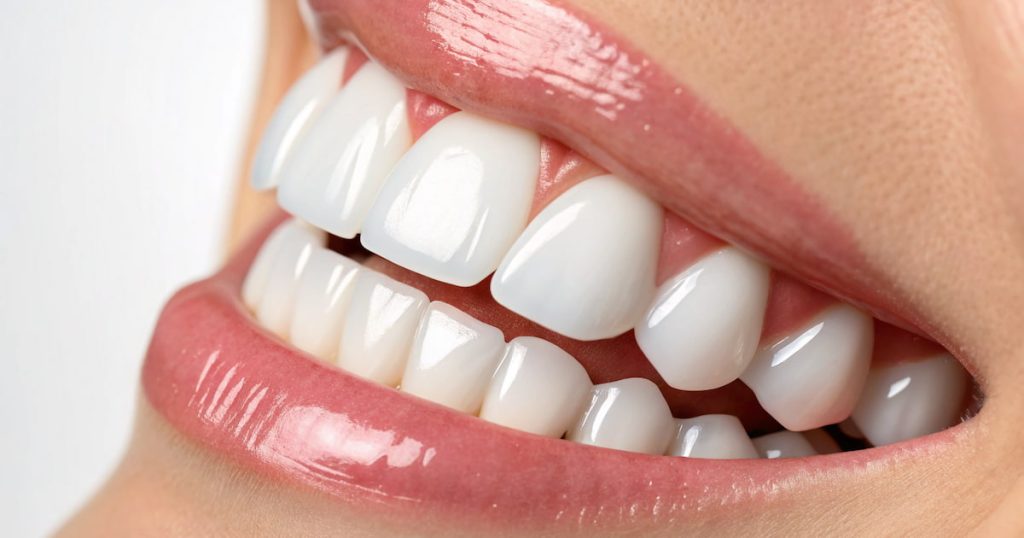
Dental veneers are ultra-thin shells made from porcelain or composite material. They’re bonded to the front of your teeth to hide imperfections like stains, chips, or gaps. Though they’re cosmetic, they’re not temporary; you’re making a lasting change to your teeth, which is why understanding the process matters.
Types of Veneers: Porcelain vs. Composite
Porcelain veneers are the gold standard in terms of appearance and durability. They reflect light like natural teeth and resist stains better. Composite veneers, on the other hand, are more affordable and can be applied in one visit, but they don’t last as long and are more prone to staining and wear.
The type you choose affects not just your smile, but also how much of your natural tooth is altered.
How Dental Veneers Are Applied
Applying veneers typically involves removing a thin layer of enamel to make room for the veneer. After this, your dentist takes an impression, and a custom veneer is created and bonded to the tooth. While the procedure is safe, it’s permanent, and that’s where the concern about potential damage arises.
Can Dental Veneers Damage Your Natural Teeth?
Now let’s tackle the heart of the question. While veneers are safe in the hands of a skilled dentist, they do come with potential risks, especially to your natural enamel.
Risks of Veneers on Natural Teeth
The main concern is enamel loss. Your enamel protects the inner layers of your teeth from sensitivity and decay. Since some enamel must be removed for the veneer to fit properly, that protective layer is partially lost forever. If the veneer fails or falls off, your natural tooth is left exposed and vulnerable.
But the risk of real damage is low when veneers are applied carefully and maintained properly.
Is the Tooth Removal Process Harmful?
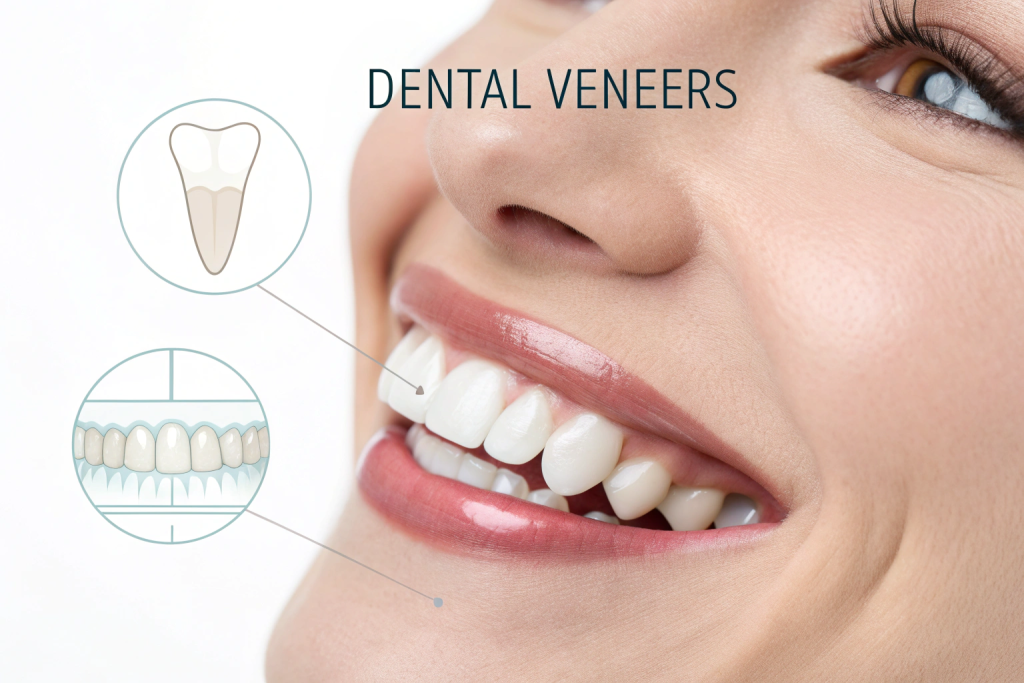
Enamel removal is a key part of getting veneers, and it’s irreversible. However, the amount taken off is small, typically around 0.3–0.5 mm. This won’t damage your tooth if done correctly, but if too much is removed or if your teeth are already weak, it can increase the risk of sensitivity or decay.
That’s why it’s important not just to consider veneers, but also who’s placing them.
Potential Side Effects of Veneers
Some patients experience mild tooth sensitivity, especially right after the procedure. In rare cases, veneers can come loose, especially if you grind your teeth or eat hard foods. If the bond between the veneer and your tooth is weak, bacteria can get in and cause decay.
These side effects aren’t common, but they’re worth keeping in mind if you’re thinking about veneers.
Let us help you achieve a stunning smile, safely!
Emergency Dental Office offers personalized veneer consultations with top-tier dentists who prioritize both aesthetics and enamel preservation.
Book Your Consultation Today
How to Minimize the Risk of Damage from Veneers
You can enjoy veneers without harming your teeth if you take the right steps. Here’s how to stay safe.
Choosing the Right Dentist for Veneer Application
This is your #1 defense against long-term damage. A skilled cosmetic dentist knows how to preserve your enamel and choose the right veneer type for your teeth. They’ll also spot any underlying issues, like gum disease or weak enamel, that could cause trouble later.
Ask to see before and after photos of their work, read reviews, and don’t be afraid to get a second opinion.
Proper Care and Maintenance of Veneers
Once your veneers are in, your natural teeth still need attention. Keep up your oral hygiene routine, avoid biting hard objects, and visit your dentist regularly. Veneers don’t decay, but the tooth underneath still can, especially around the edges.
Treat your veneers like an investment. With the right care, they’ll last years, and keep your natural teeth safe.
Alternatives to Dental Veneers
If you’re still unsure about altering your enamel, there are other options. Teeth whitening is great for stains, bonding can fix small chips, and clear aligners like Invisalign can correct alignment without any enamel removal.
These alternatives aren’t as dramatic as veneers, but they may be a better fit depending on your smile goals.
Learn the key differences between veneers and Lumineers on Healthline.
Benefits of Dental Veneers Despite the Risks
So why do so many people still choose veneers? Simple: they work. And when done right, the pros often outweigh the cons.
Aesthetic Benefits of Veneers
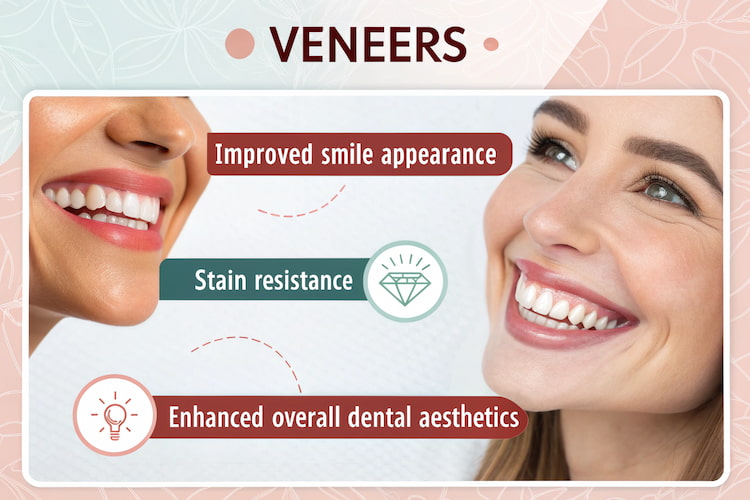
Veneers offer a complete smile transformation. They can make your teeth look whiter, straighter, and more balanced in just a few visits. Whether you’re prepping for a wedding or want a confidence boost, they’re one of the fastest ways to get there.
Veneers for Durability and Strength
Porcelain veneers are incredibly strong and resistant to everyday wear. They won’t stain like natural teeth, and they can hold up for over a decade. In some cases, they protect worn or weakened teeth if applied correctly.
That said, durability depends on both the material and how well you care for it.
Long-Term Results and Improved Confidence
Many patients say veneers change not just their smile, but their self-esteem. When you feel good about your teeth, you smile more, speak more confidently, and worry less about how you look in photos.
Yes, veneers are a commitment, but for many, the emotional and professional payoff is worth it.
Conclusion: Should You Worry About Veneers Damaging Your Teeth?
Dental veneers can be life-changing, but like any dental procedure, they come with considerations. The truth is, veneers don’t damage your natural teeth when applied correctly by a skilled professional and cared for properly. Yes, some enamel must be removed, and that change is permanent, but it doesn’t mean your teeth will be harmed.
If you’re worried about sensitivity, long-term effects, or whether you’re a good candidate, the best step you can take is to talk to a trusted cosmetic dentist. With the right preparation, technique, and ongoing care, veneers can give you a confident, long-lasting smile without compromising your natural teeth.
Book a consultation with Emergency Dental Office today and get expert advice tailored to your smile, your goals, and your long-term oral health.
FAQs
-
Can dental veneers cause permanent damage to my teeth?
They can if too much enamel is removed or if they’re poorly bonded. But when done by a qualified dentist and cared for properly, the risk is minimal.
-
How much of my natural tooth is removed when getting veneers?
Usually, between 0.3–0.5 mm of enamel is removed. It’s enough to affect your tooth permanently, but not enough to damage it if applied correctly.
-
Are porcelain veneers safer than composite veneers for my teeth?
Porcelain veneers last longer, resist stains better, and are stronger. Composite veneers are more affordable but may need replacing sooner.
-
Can I get veneers if I have sensitive teeth?
It depends on why your teeth are sensitive. Veneers may reduce sensitivity if they cover exposed enamel, but only if your dentist says it’s safe.
-
What are the long-term effects of dental veneers on my natural teeth?
With proper care and regular checkups, your natural teeth will stay healthy underneath. Neglect, however, can lead to decay at the edges of the veneers.
Join the Conversation!
Do you have veneers, or are you still deciding? What are your biggest concerns?
Drop your questions or share your story in the comments below. We’re here to help!