If you want to maintain oral hygiene and keep your smile in top shape, it’s not just about brushing your teeth twice a day. Proper oral care requires a balance of good habits, the right tools, and regular visits to the dentist. A healthy smile isn’t just about appearance; it’s a window to your overall health. Let’s dive into dentist-approved tips to ensure your teeth and gums stay in excellent condition.
Daily Oral Hygiene Essentials
Maintaining good oral hygiene starts with what you do daily. Your dental hygiene routine sets the foundation for a healthy smile. Here’s what you need to know about the basics.
Proper Brushing Techniques and Timing
Brushing your teeth is more than just running a toothbrush over them for a few seconds. For effective plaque removal and enamel protection, use a soft-bristled brush, angle it at 45 degrees towards the gum line, and brush in small circular motions. Dentists recommend brushing for two minutes twice a day, morning and night, without skipping. If you’re wondering about timing, brushing after meals, particularly after breakfast, helps remove food debris and bacteria that can harm your oral microbiome.
Flossing Methods and Importance
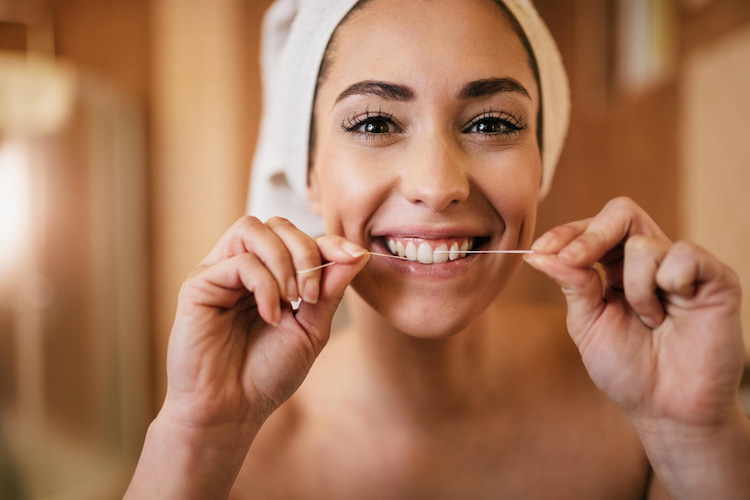
Flossing isn’t optional—it’s essential for maintaining periodontal health and preventing tooth decay. A toothbrush can’t reach between teeth, and that’s where flossing comes in. Gently glide the floss between each tooth, curving it around the sides to clean under the gum line without snapping it. Daily flossing reduces the risk of gingivitis and tartar buildup, keeping your gums healthy and strong.
Mouthwash Selection and Usage
Mouthwash is like the cherry on top of your dental hygiene routine. Not all mouthwashes are created equal; look for alcohol-free options with fluoride for enamel protection and tartar control. Swish the mouthwash for 30 seconds after brushing and flossing to reduce bacteria and freshen your breath. Using it regularly helps maintain a balanced oral microbiome, an often-overlooked part of overall oral health.

Professional Dental Care and Maintenance
While your daily routine is critical, professional dental care takes things to the next level. Preventive dental care from a professional ensures your smile stays healthy long-term.
Regular Dental Check-up Schedule
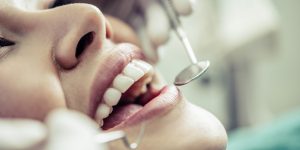
Visiting your dentist every six months for a check-up isn’t just a suggestion; it’s a necessity. These visits help your dentist spot potential issues like early tooth decay or gum disease before they become serious. Regular check-ups also ensure that your dental hygiene routine is working effectively.
Professional Cleaning Benefits
No matter how diligent you are at home, professional cleaning, also called dental prophylaxis, is vital for removing tartar and stubborn plaque. It’s impossible to fully clean below the gum line on your own, but your dentist can handle it with precision. Professional cleaning leaves your teeth feeling fresh and helps prevent periodontal health issues like gingivitis.
Early Problem Detection
Ignoring small dental issues can lead to bigger problems down the road. Your dentist can identify signs of enamel damage, gum inflammation, or early cavities during a check-up. Early detection often means less invasive, less costly treatments. However, avoiding those signs may result in more extreme treatments, like oral surgeries.
Need Immediate Help? Contact Our Emergency Dental Office
Don’t wait until dental emergencies strike. Call our Emergency Dental Office now for fast, reliable care and get back to smiling pain-free.
Advanced Oral Care Tools and Products
Beyond the basics, advanced tools can improve your dental hygiene routine and make it easier to maintain oral hygiene.
Electric vs. Manual Toothbrushes
Electric toothbrushes are a game-changer when it comes to effective plaque removal. They provide consistent motion and are designed to target hard-to-reach areas. That said, a manual toothbrush can still do the job well if used correctly. It’s all about preference, but an electric option often leads to better results.
Water Flossers and Interdental Cleaners
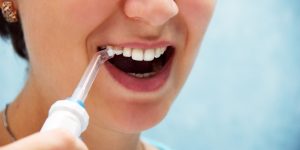
Water flossers are an excellent alternative to traditional floss for those with braces or sensitive gums. They use a steady stream of water to clean between teeth and along the gum line. Interdental cleaners, like small brushes designed for gaps, are also effective at cleaning tight spaces and maintaining periodontal health.
Specialized Cleaning Tools
If you’re serious about maintaining oral hygiene, consider tools like tongue scrapers or dental picks. A tongue scraper helps reduce bacteria on your tongue, which contributes to bad breath and disrupts the oral microbiome. Dental picks can assist with precise tartar control, but always use them carefully or under professional guidance.
Diet and Lifestyle for Optimal Oral Health
Your oral health isn’t just about brushing and flossing—it’s heavily influenced by what you eat and your daily habits.
Foods That Promote Dental Health
Crunchy fruits and vegetables like apples and carrots help clean teeth naturally and stimulate saliva production, which protects enamel. Dairy products, rich in calcium, strengthen teeth, while green tea contains antioxidants that support gum health. A balanced diet is a simple yet powerful way to support dental hygiene and prevent tooth decay.
Habits to Avoid
Certain habits can wreak havoc on your oral health. Smoking, chewing tobacco, and consuming sugary snacks frequently increase your risk of gum disease and tooth decay. Even seemingly harmless habits like nail-biting or opening packages with your teeth can cause enamel damage over time.
Hydration and Oral Health
Water is your best friend when it comes to maintaining oral hygiene. Drinking water throughout the day washes away food particles and keeps your mouth hydrated. A well-hydrated oral microbiome is less likely to develop cavities or gum issues, so keep that water bottle handy.
Conclusion
Maintaining oral hygiene doesn’t have to feel overwhelming. It’s about combining daily habits like proper brushing and flossing with professional care and using the right tools for your needs. A balanced diet and a healthy lifestyle complete the picture for a smile that lasts a lifetime. But, If you’re experiencing any dental emergencies or need immediate care, like oral surgeries, don’t wait. Contact Emergency Dental Office today for prompt, compassionate assistance.
FAQs
1. How often should I really floss my teeth?
You should floss your teeth at least once a day to remove food and plaque from between your teeth, which your toothbrush can’t reach. It’s a key step in preventing tooth decay and gum disease.
2. Is it better to brush before or after breakfast?
Brushing after breakfast is ideal because it clears away food particles and bacteria that accumulate during your meal. If you must brush before, wait 30 minutes after eating acidic foods to avoid damaging your enamel.
3. Can poor oral hygiene affect overall health?
Yes, poor oral hygiene is linked to issues like heart disease, diabetes, and even respiratory infections. Your mouth is connected to the rest of your body, so keeping it healthy is vital for overall well-being.
4. Are electric toothbrushes worth the investment?
Electric toothbrushes are worth it for many people because they provide consistent and effective cleaning. They’re especially beneficial for those with limited dexterity or who struggle with manual brushing techniques.