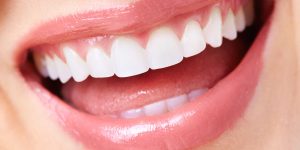
Veneers can sometimes improve the appearance of teeth affected by mild gum recession, but they cannot treat the underlying cause of gum loss. In some situations, veneers may help make exposed areas less noticeable and create a more balanced smile.
However, if gum recession is significant or still progressing, additional treatment such as gum grafting or periodontal care may be necessary before veneers are considered.
Understanding what dental veneers can and cannot do is important when deciding on the best treatment for your smile. The right approach depends on the amount of gum recession, the condition of the exposed roots, and your overall oral health.
Can Veneers Hide Gum Recession?
In certain cases, veneers may improve the appearance of teeth affected by mild gum recession. If gum recession is minor and the gums are healthy and stable, veneers may help create a more uniform appearance. They can mask some visual imperfections and make teeth appear more symmetrical.
However, veneers do not replace lost gum tissue or cover large amounts of exposed root structure. Their primary purpose is cosmetic enhancement rather than periodontal treatment.
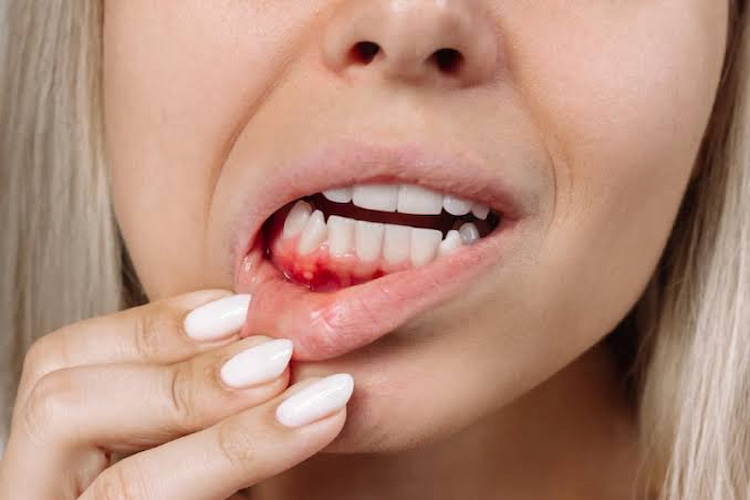
When Veneers May Help With Gum Recession
They may be suitable when:
- The recession is mild and no longer progressing.
- The exposed area is limited.
- The gums are healthy and free from active disease.
- The patient wants to improve the appearance of uneven teeth or discoloration near the gum line.
In these situations, veneers may provide an attractive cosmetic result while preserving natural tooth structure. If you are also concerned about how veneers may affect your existing teeth, read our guide on veneers damage your natural teeth.
When Veneers Are Not the Best Solution
Veneers may not be recommended if gum recession is severe, active periodontal disease is present, or significant root exposure exists.
Placing veneers without addressing ongoing gum problems may lead to poor long-term outcomes. The gums can continue to recede, potentially exposing the edges of the veneers and affecting aesthetics.
If you are exploring cosmetic options for improving your smile, learn more about our cosmetic dentistry services at Emergency Dental Office.
Can Veneers Be Placed on Teeth With Receding Gums?
Many patients with receding gums can still receive veneers, but candidacy depends on a thorough dental evaluation. Dentists assess gum health, root exposure, bite function, and overall tooth structure before recommending treatment.
Mild Gum Recession
Patients with mild recession and healthy gums may be good candidates for veneers. The dentist can design veneers that improve the appearance of affected teeth while maintaining a natural smile.
Moderate Gum Recession
Moderate recession may require additional treatment before veneers are placed. Stabilizing gum health often becomes the first priority.
Severe Gum Recession
When large portions of the root are exposed, gum grafting or periodontal treatment may be necessary before considering cosmetic restorations.
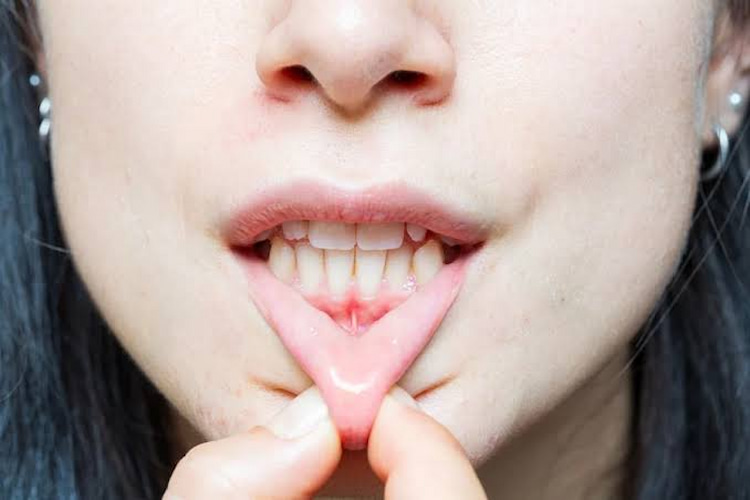
For additional information about cosmetic options for receding gums, Colgate provides a helpful overview of gum veneers and their potential benefits.
Why Veneers Cannot Treat the Cause of Gum Recession
One of the biggest misconceptions about veneers is that they can fix gum recession on their own. In reality, veneers only address appearance. The underlying causes of recession, such as gum disease, excessive brushing pressure, or bite problems, must still be diagnosed and treated.
Ignoring the cause can allow the recession to continue even after veneers are placed.
Gum Tissue Cannot Be Replaced With Veneers
Veneers attach to the tooth surface. They do not regenerate lost gum tissue or restore bone support around teeth. For patients seeking true root coverage, periodontal procedures may offer a more appropriate solution.
Recession May Continue Over Time
Even well-designed veneers can become less effective cosmetically if the gums continue to recede. This is why maintaining healthy gums is essential for long-term success.
Learn more about the risks and complications of veneers.
Alternative Treatments for Root Exposure
In many cases, veneer alternatives may provide better results for exposed roots. The most suitable option depends on the extent of recession, the patient’s symptoms, and treatment goals.

Gum Grafting
Gum grafting is often considered one of the most effective treatments for exposed roots. The procedure involves placing healthy tissue over areas of recession to improve coverage and protect the roots.
Many patients experience improved aesthetics and reduced sensitivity after healing.
Composite Bonding
Dental bonding can sometimes be used to cover exposed root surfaces. Tooth colored resin is applied directly to the affected area to improve appearance and reduce sensitivity.
This option may be less invasive and more affordable than veneers in certain situations.
Desensitizing Treatments
For patients whose primary concern is sensitivity, fluoride treatments and desensitizing products may help protect exposed roots and improve comfort.
You can also explore helpful advice in our dental veneers tips guide.
Veneers vs Gum Grafting
Patients often ask whether veneers or gum grafting is the better treatment. The answer depends on the problem being treated. Veneers focus on improving the appearance of teeth, while gum grafting addresses the loss of gum tissue itself.
- Cosmetic Goals: If the main objective is to improve tooth shape, color, and symmetry, veneers may be appropriate once gum health is stabilized.
- Health Goals: If exposed roots, sensitivity, and tissue loss are the primary concerns, gum grafting may provide a more comprehensive solution.
Some patients benefit from a combination approach. Gum grafting can restore healthier gum contours, while veneers can further enhance the appearance of the smile after healing is complete. If you are considering veneers later in life, you may also find it helpful to learn more about veneers for older adults and how they can support smile aesthetics and function.
Concerned about exposed roots or receding gums?
At Emergency Dental Office, we can help determine whether veneers, bonding, gum grafting, or another treatment is the best option to protect your oral health and improve your smile.
Signs You Should See a Dentist About Gum Recession
Early treatment can help prevent complications and preserve your smile. You should schedule a dental evaluation if you notice:
• Teeth appearing longer than before
• Increased tooth sensitivity
• Visible root surfaces
• Bleeding gums
• Gum tissue pulling away from teeth
• Changes in your bite or smile appearance
Prompt diagnosis can help identify the cause and determine the most appropriate treatment.
Dr. Najmeh Alishavandi, DDS, with more than 10 years of experience in comprehensive dentistry, is committed to helping patients achieve healthy, functional, and confident smiles in a comfortable and welcoming environment.
Veneers Hide Gum Recession and Improve Appearance
Fortunately, many concerns associated with gum recession and root exposure can be effectively managed through early diagnosis, personalized treatment planning, and ongoing dental care. Addressing gum disease, maintaining good oral hygiene habits, and attending regular dental checkups can help prevent further recession and support lasting results from cosmetic treatments.
Choosing an experienced dentist, following professional recommendations, and seeking treatment as soon as symptoms appear can help preserve both the health and appearance of your smile. Whether you are considering veneers, gum grafting, or other restorative options, understanding your treatment choices allows you to make informed decisions and achieve more predictable outcomes.
Please remember that the information in this guide is provided for educational purposes only. Every case of gum recession is unique, and the suitability of veneers or any other treatment depends on your specific oral health condition. Only a comprehensive dental examination and personalized consultation with a qualified dentist can determine the most appropriate treatment plan for your individual needs.
FAQ
-
Can veneers cover exposed tooth roots?
Veneers may help conceal minor cosmetic concerns related to gum recession, but they do not fully replace lost gum tissue or cover severe root exposure.
-
Do veneers stop gum recession?
No. Veneers do not prevent or treat gum recession. The underlying cause must be addressed separately.
-
Can I get veneers if I have receding gums?
Possibly. Many patients with mild, stable gum recession may still be candidates for veneers after a dental evaluation.
-
Is gum grafting better than veneers?
For treating exposed roots and replacing lost gum tissue, gum grafting is often the more effective treatment.
-
Can exposed roots lead to tooth decay?
Yes. Exposed roots are more vulnerable to decay because they lack the protective enamel found on the visible part of the tooth.
Have you noticed your teeth looking longer or becoming more sensitive?
Share your questions or experiences with gum recession below.