Dental veneers are designed to improve the appearance of your smile, but sometimes the final result may not look as natural as expected. Some patients feel their veneers look too bulky, overly white, too opaque, or different from the rest of their facial features. Others notice yellowing around the edges or feel that their veneers resemble “horse teeth” in photos (this is what we hear from our patients).
The first step is to visit a cosmetic dentist, who can check what’s causing the issue and suggest the best solution, whether it’s a small adjustment or a full replacement. This guide will help you understand why veneers can look unnatural and what can be done to make your smile look natural again.
Why Dental Veneers Sometimes Look Unnatural
Even with the best materials, dental veneers can sometimes look fake or unnatural. Natural teeth have small imperfections, subtle translucency, texture, and gradual color variations. Veneers can begin to look artificial when these natural characteristics are missing.
Several cosmetic and technical factors can contribute to veneers that appear fake, bulky, or poorly matched. In the following parts, we will go through some of these factors.
Veneers That Look Too Big or Bulky
One of the most common complaints is that veneers look too large for the face or mouth. Bulky veneers are often caused by excessive porcelain thickness or poor contour design.
This may happen because:
- The teeth were not reduced enough before veneer placement
- The veneers were designed with excessive outward contour
- The length-to-width ratio was not proportioned correctly
- The veneers were not customized to the patient’s facial features
Over-contoured veneers can make the smile appear heavy, unnatural, or overly prominent during speech and smiling. In some cases, patients may also experience difficulty closing their lips comfortably or notice speech changes immediately after treatment.
Many patients initially feel their veneers are too big because the teeth feel unfamiliar inside the mouth. This sensation may improve within a few weeks. However, veneers that continue to appear visually oversized or interfere with bite function usually require professional adjustment.
Veneers That Look Too White
Natural enamel reflects light in a complex way. Teeth are not uniformly white or completely opaque. High-quality veneers are designed to mimic this natural translucency.
Veneers may appear fake when they are:
- Too bright compared to the surrounding teeth
- Extremely opaque
- Too flat in shape
- Lacking natural edge translucency
- Overly square or symmetrical
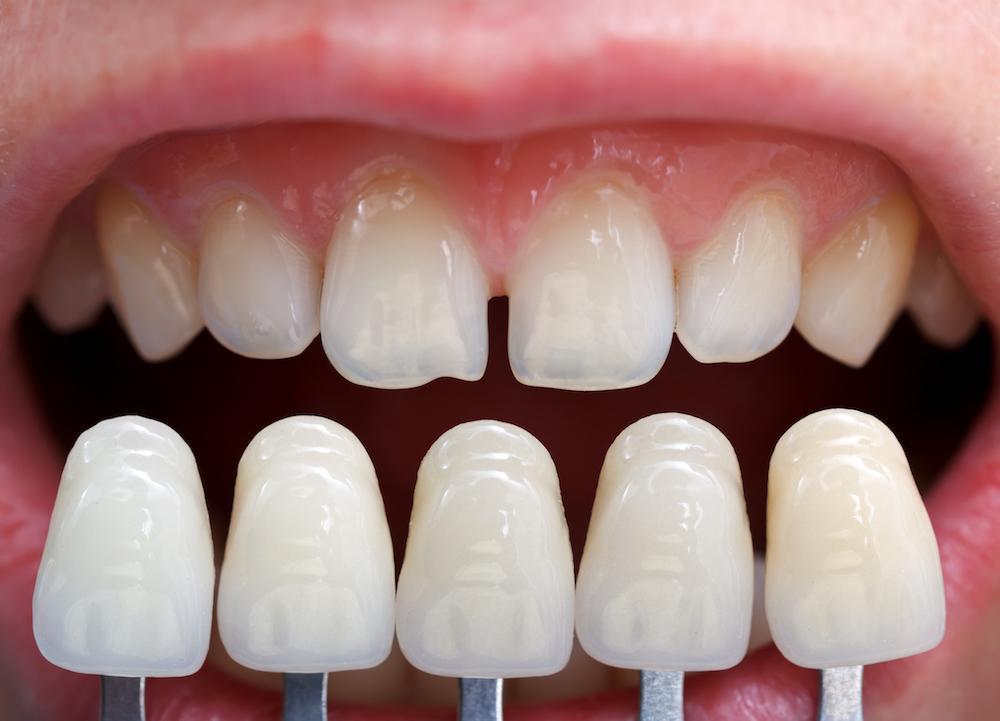
Very white, Hollywood-style veneers may look unnatural under daylight or in photographs, especially when they do not match the patient’s skin tone, age, facial proportions, or lip shape.
Poor incisal anatomy and lack of surface texture can also make veneers appear artificial. Natural teeth contain small ridges, subtle contours, and light variations that help create a realistic appearance.
Veneers That Look Yellow
Porcelain veneers are highly stain-resistant, but yellowing can still occur over time.
Common causes include:
- Staining around the veneer margins
- Plaque accumulation near the gumline
- Discoloration of the bonding cement
- Poor oral hygiene
- Natural teeth darkening underneath thin veneers
- Smoking or frequent coffee and tea consumption
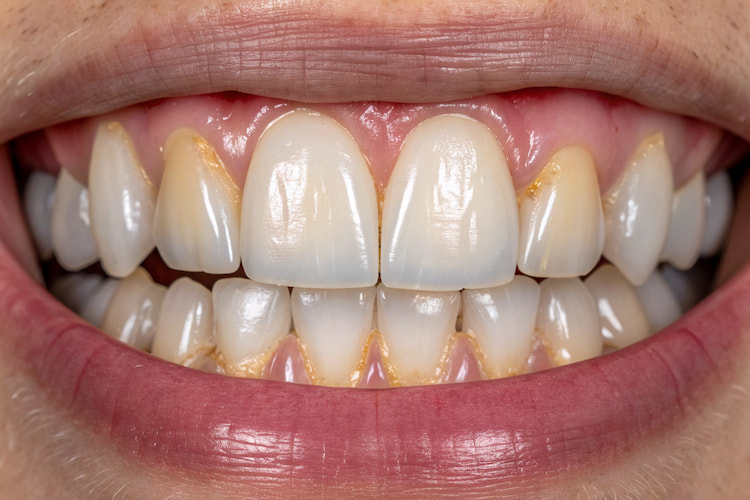
In some cases, the veneers themselves are not yellow. Instead, surrounding teeth may darken over time, making the veneers appear mismatched. Professional polishing or cleaning may improve mild discoloration. However, veneers with significant shade mismatch or visible cement discoloration may need replacement.
Veneers That Look Like Horse Teeth
Patients sometimes describe oversized or unnatural veneers as “horse teeth veneers.” This usually happens when veneers are too long, too square, or excessively protrusive.
Several design issues can create this appearance:
- Excessive tooth length
- Lack of natural embrasures between teeth
- Overly uniform tooth shapes
- Improper smile proportion
- Veneers extending too far outward
A natural smile should follow the curve of the lips and facial proportions. When veneers are designed without considering facial balance, they can dominate the smile and appear artificial.
For more detailed information about dental veneers, their types, and what to expect, check out this guide from Healthline.
Fixing Dental Veneers That Look Wrong
It’s normal to feel concerned if your dental veneers don’t look right. Most issues, like veneers that are too big, too yellow, or look fake, can be fixed. The first step is to understand what’s causing the problem.
Start with a dental check-up
A cosmetic dentist will examine your veneers, your bite, and your gums. They can identify why the dental veneers look unnatural and recommend the right solution, whether it’s a small adjustment or replacing the veneers entirely.
Clean and polish your veneers
Sometimes, dental veneers look dull or yellow because of surface stains. Brushing with a soft toothbrush, flossing, and avoiding stain-causing foods can help. Professional cleaning and gentle polishing by your dentist can restore their brightness.
Consider replacement if needed
If cleaning and adjustments aren’t enough, replacement may be necessary. Poorly shaped or discolored dental veneers often look unnatural even after maintenance. New, well-crafted veneers can match your teeth’s natural shape, color, and size.
Prevent future problems
For future veneers, make sure your dentist uses custom designs, matches the shade to your natural teeth, and uses high-quality materials. Temporary mock-ups or trial dental veneers can help you see how the final result will look before permanent placement.
To learn more about how dental veneers can enhance your smile and what to expect from the procedure, read our full guide on dental veneer benefits.
How Dentists Can Fix Dental Veneers
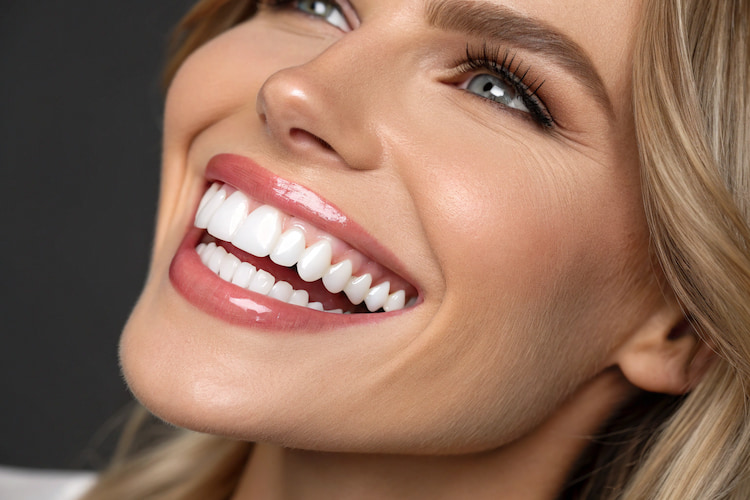
If your dental veneers don’t look right, a dentist can help. The solution depends on the problem; sometimes small changes are enough, while other times replacement may be needed. Here are the most common ways dentists can fix veneers:
Minor Adjustments
Small reshaping or polishing can improve the fit, contour, and shine of veneers, making them blend naturally with your teeth. These adjustments are quick and usually do not require replacing the veneers.
Shade Correction or Replacement
If color or translucency is the issue, your dentist may replace the veneers with new ones that match your natural teeth. Modern veneers can mimic enamel translucency and subtle color variations for a natural look.
Full Replacement
In cases of poor design or fit, replacing the veneers completely may be the best solution. Custom-crafted veneers can restore your smile’s natural shape, size, and color, giving you a confident, natural-looking smile.
To compare dental veneers with other smile-improving options and see which is right for you, check out our full guide on dental veneer alternatives.
Can Veneers Be Reshaped or Fixed?
To sum up, can veneers be reshaped or fixed? In many cases, yes.
Small adjustments like minor reshaping and polishing can sometimes improve veneers dramatically. Your cosmetic dentist can smooth sharp edges, reduce bulky contours, or polish the surface
How to Prevent Veneers from Looking Fake in the Future
Taking a few careful steps before and after getting veneers can help ensure they look natural and last longer. By planning and maintaining proper oral care, you can avoid problems like unnatural color, size, or shape.

Choose the Right Shade
Work with your dentist to select a color that matches your natural teeth and skin tone. Avoid extremely bright “Hollywood white” shades.
Plan the Treatment Carefully
Digital smile design and mock-ups help you see how your veneers will look before placement.
Good Aftercare
Wear a night guard if needed and attend regular check-ups. Avoid staining foods in the first 48 hours, and maintain daily brushing and flossing.
Ready for a natural looking smile that feels like you?
Our team at Emergency Dental Office provides custom porcelain veneers, veneer replacement, cosmetic bonding and smile design. Book an appointment to get professional help today!
Veneers vs Other Cosmetic Options
Dental veneers are one of several ways to improve your smile. Here’s how they compare to other options:
- Teeth Whitening: Best for removing stains, but it won’t change the shape or size of teeth.
- Dental Bonding: A quicker and less expensive option for small chips or gaps, but less durable than veneers.
- Crowns: Used for heavily damaged teeth, providing full coverage, but are more invasive than veneers.
Choosing the right option depends on your goals, the condition of your teeth, and how natural you want your smile to look. A cosmetic dentist can help you decide which treatment is best. If you want to brighten your teeth before or after getting veneers, learn more about yellow teeth whitening in Toronto.
Achieve a Natural Smile with Dental Veneers
With the right care and professional guidance, dental veneers can completely transform your smile. Whether it’s reshaping, polishing, or replacing your veneers, most issues can be fixed to look natural, healthy, and confident. By choosing custom designs, matching the shade to your teeth, and maintaining proper oral hygiene, you can enjoy a beautiful smile that lasts for years.
If you’re ready to perfect your smile, our clinic offers a full range of dentistry services to meet all your dental needs. From dental implants in North York and emergency care in Thornhill to restorative treatments. Our experienced team is here to help you achieve a healthy, confident smile.
FAQ
-
Can veneers be fixed without replacing them?
Yes. Many appearance issues can be corrected with reshaping, polishing, or minor adjustments, depending on the cause.
-
Why do my new veneers feel too big?
They may be oversized, not shaped correctly, or not aligned with your natural teeth. Sometimes, small adjustments solve the problem.
-
Can porcelain veneers turn yellow?
Porcelain does not stain easily, but the cement underneath or plaque around the edges can still make it appear yellow.
-
How long do veneers usually last?
Good quality porcelain veneers typically last ten to fifteen years with proper care.
-
What if my veneers look fake right away?
It may be related to shade choice, translucency, or size. A dentist can evaluate the veneers and recommend solutions.
Have questions about your veneers?
Leave a comment below, and our dental team will guide you on possible solutions and next steps.