
Tooth Extraction and Wisdom Teeth Removal in Thornhill, Near North York
A badly damaged, infected or impacted tooth may sometimes need to be removed when it cannot be predictably restored or when keeping it may put nearby teeth or tissues at risk.
At Emergency Dental Office, we provide tooth extraction assessments for patients in Thornhill, North York and nearby communities. We also assess wisdom teeth that are painful, impacted, infected or causing problems with neighbouring teeth.
Your visit focuses on whether extraction is actually necessary, what type of procedure may be required, how discomfort will be managed and what to expect during recovery.
Request a Tooth Extraction Assessment
- Mon - Fri : 10 AM - 10 PM Saturday : 3 PM - 10 PM Sunday : Closed
- 7241 Bathurst St, Thornhill, ON L4J 3W1, Canada
Often completed in one visit
Coverage varies by plan
Based on treatment complexity
Varies by procedure
Depends on the extraction
Pain management options discussed

Same-Day Tooth and Wisdom Tooth Extractions in North York
The Necessity of Extracting Damaged Teeth
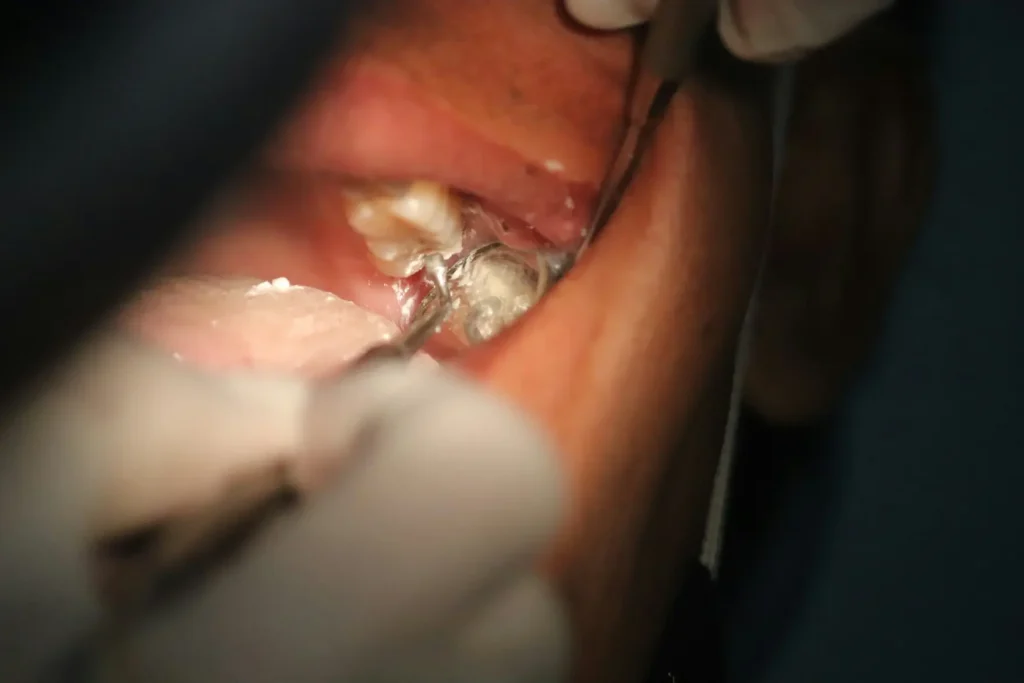
Signs You May Need a Tooth Extraction
A tooth extraction may be recommended when a tooth cannot be predictably restored, when infection or damage threatens surrounding tissues, or when removal is needed as part of another treatment plan. Common reasons include:
Why a Tooth May Need to Be Removed
Severe Tooth Decay
If decay has destroyed too much tooth structure for a filling, crown or other restorative treatment to provide a predictable result, extraction may be considered. Your dentist will first assess whether the tooth can reasonably be saved.
A Tooth That Cannot Be Restored
A tooth may sometimes be too extensively damaged to restore predictably. This can happen after severe decay, repeated dental treatment or major structural damage.
Dental Infection
An infected tooth does not automatically need to be removed. Depending on the condition of the tooth, root canal therapy may be an option. Extraction may be considered when the tooth cannot be predictably treated or restored.
Advanced Gum Disease
Advanced periodontal disease can damage the bone and tissues that support a tooth. If a tooth becomes severely loose or has lost too much support, extraction may be considered as part of the overall treatment plan.
Extra or Supernumerary Teeth
Some people develop additional teeth beyond the usual number. Removal may be recommended if an extra tooth interferes with the eruption or position of other teeth, causes symptoms or affects a planned dental treatment.
Preparation for Dentures
Some patients need remaining teeth or tooth roots removed before receiving a full or partial denture. Learn more about our full and partial denture options.
Severely Broken or Cracked Teeth
A broken or cracked tooth may sometimes be repaired, but extraction may be considered if the damage extends too deeply or the tooth cannot be predictably restored.
Preparation for Orthodontic Treatment
In some orthodontic treatment plans, removal of one or more teeth may be recommended to create space or improve alignment. Tooth removal for orthodontic purposes should be coordinated with the dentist or orthodontic provider managing the treatment plan.
When Wisdom Teeth Need to Be Removed
Most people develop wisdom teeth, and not everyone needs them removed. Many adults live their entire lives without any wisdom tooth issues. When wisdom teeth cause pain, crowd neighboring teeth, or become impacted under the gum, removal is usually the right call.
Common signs that wisdom teeth need removal include per:
sistent pain at the back of the jaw, swelling or infection around the gum, headaches, and damage to neighboring teeth. If your wisdom teeth are causing any of these problems, our team can examine them and recommend the safest approach.
After wisdom tooth removal, proper aftercare prevents complications like dry socket. We will walk you through what to eat, what to avoid, and what to expect during recovery before you leave the clinic.
Why Patients Choose Our Emergency Dental Office
Urgent Dental Assessments
If you have severe tooth pain, swelling or another urgent dental concern, contact us for an assessment. We will evaluate the problem and explain whether extraction or another treatment may be appropriate.
Prompt Appointment Options
We aim to assess urgent dental concerns as promptly as possible. Appointment availability and whether treatment can be completed the same day depend on the clinical findings and schedule.
Extended Weekday Hours
Our Thornhill clinic is open until 10 PM on weekdays, giving patients additional options for dental care after work or later in the day.
CDCP and IFHP Patients Welcome
Patients with CDCP or IFHP-related dental coverage are welcome for eligible services. Coverage, preauthorization and direct billing depend on the program and treatment.
English and Persian Communication
Consultations are available in English and Persian to help patients understand their treatment options and next steps.
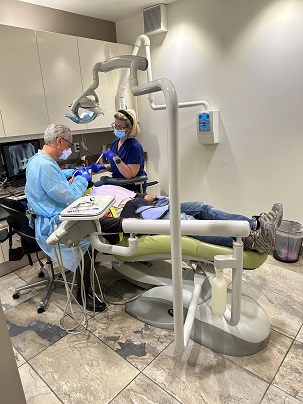
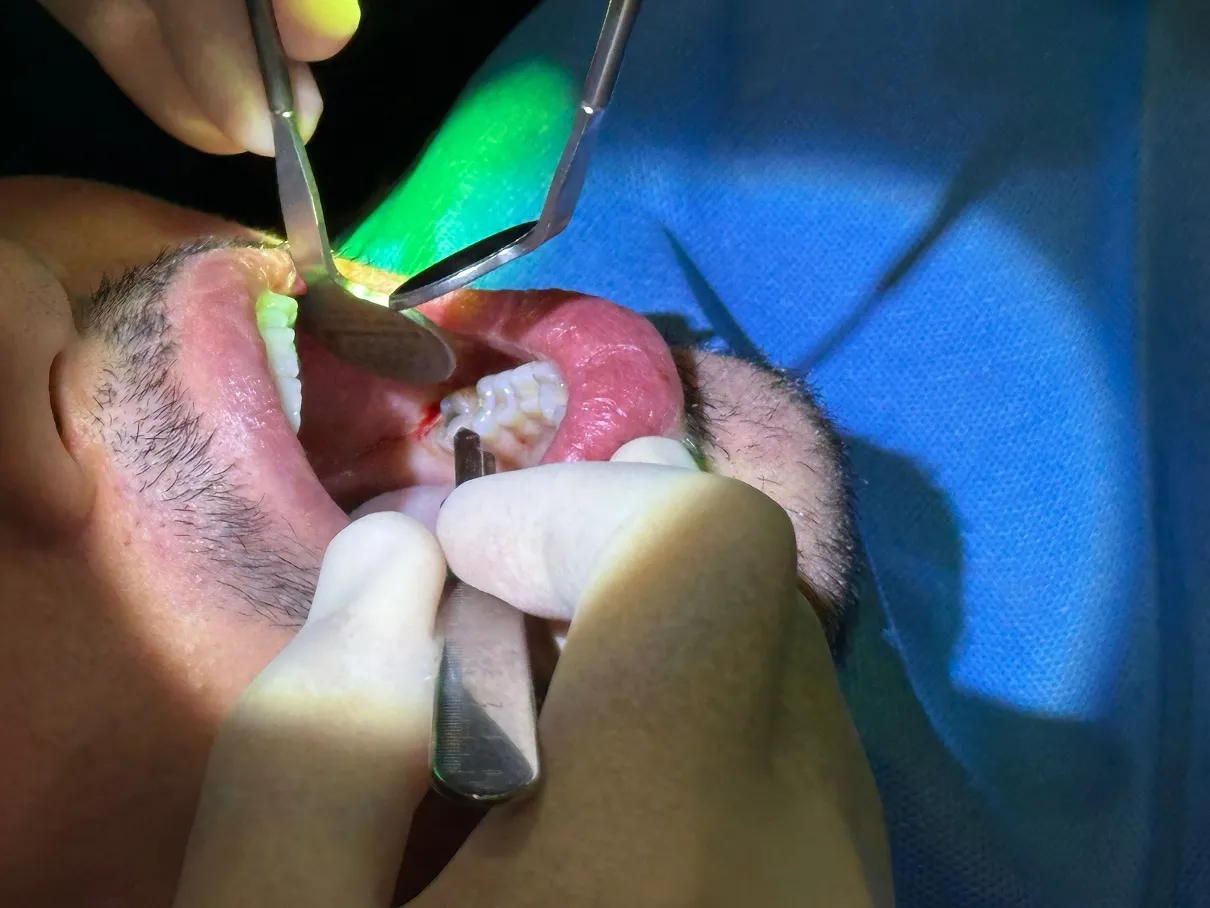
What to Expect During Your Tooth Extraction Procedure
What to Do If You Need an Emergency Tooth Extraction
If you have severe tooth pain, swelling, a badly broken tooth or another urgent dental problem, call us as soon as possible. We will assess the problem and explain whether the tooth may be saved, whether extraction is necessary, and what treatment options are available.
If a permanent tooth has been completely knocked out, handle it by the crown rather than the root. If it is dirty, rinse it gently without scrubbing. If you cannot place it back into position safely, keep it moist in milk and seek urgent dental care. Prompt assessment can improve the chance of saving the tooth.
Tooth Extraction Costs in North York
The cost of a tooth extraction depends on the type of tooth, the complexity of the procedure, whether a simple or surgical extraction is required, and any additional treatment that may be needed.
Simple tooth extractions are generally less complex than surgical extractions.
Surgical or impacted wisdom tooth extractions may involve additional treatment steps depending on the position of the tooth and the surrounding bone and tissues.
Your dentist will examine the area and may recommend imaging when clinically required. After the assessment, we can explain which type of extraction is appropriate and provide a treatment estimate before you decide whether to proceed.
Patients with CDCP or IFHP-related dental coverage are welcome for eligible services. Coverage, preauthorization requirements and direct billing depend on the program, treatment and individual plan. Private dental insurance coverage also varies by plan.

Factors That Affect Tooth Extraction Cost Near North York

New Patient Consultation
Book an assessment to discuss your dental concerns, treatment options and next steps with our team.

1

Dental Insurance and Public Programs
We welcome patients with private dental insurance, CDCP and IFHP for eligible dental services. Coverage and direct billing depend on the plan and treatment.
2

Emergency Dental Care
Our Thornhill clinic is open seven days a week for patients seeking emergency dental care. If you are experiencing tooth pain, swelling, a broken tooth, or another urgent dental problem, call (905) 764-5399 to discuss your symptoms and the earliest available appointment.
3
Same-Day Appointments
Same-day emergency dental appointments available
All Insurances Accepted
For emergency dental services and more
Get Help Now
+1 (905) 764-5399
Need Help With Tooth Pain or an Extraction?
If you have severe tooth pain, swelling, a broken tooth or have been advised that a tooth may need to be removed, contact us for an assessment. We will examine the problem, explain whether extraction or another treatment may be appropriate, and discuss the available appointment options.
Tooth Extraction and Wisdom Teeth Removal FAQs
Local anesthesia is commonly used to numb the treatment area before a tooth extraction. You may still feel pressure or movement during the procedure, but the goal is to keep you as comfortable as possible.
The experience can vary depending on the tooth, whether the extraction is simple or surgical, and your individual sensitivity. Your dentist will explain what to expect and discuss the available options for managing discomfort before treatment begins.
Some soreness, swelling or tenderness can occur after an extraction. Your dentist will provide aftercare instructions and explain which symptoms are expected during healing and when you should contact the clinic.
We assess teeth that may require simple or surgical extraction, including badly damaged teeth, teeth that cannot be predictably restored, and wisdom teeth that are impacted or causing problems.
The type of extraction depends on the position of the tooth, the condition of the surrounding tissues and the complexity of the case. After examining the area, your dentist will explain whether treatment can be completed at our clinic or whether referral to another provider would be more appropriate.
Your dentist will first examine the tooth and surrounding area and may recommend imaging when clinically necessary. Before treatment, the procedure and expected steps will be explained to you.
Local anesthesia is commonly used to numb the treatment area. The tooth may then be loosened and removed, or a surgical approach may be required depending on its position and condition.
After the extraction, you will receive instructions on how to care for the area during healing and when to contact the clinic if you have concerns.
Recovery after wisdom tooth removal varies from person to person and depends on factors such as the position of the tooth, whether the extraction was surgical, and your individual healing response.
Swelling, tenderness and limited jaw comfort can occur during the early healing period. Your dentist will explain what to expect based on your procedure and provide instructions for caring for the extraction site.
Contact the clinic if symptoms become more severe instead of gradually improving.
The appropriate pain medication after a tooth extraction depends on your medical history, current medications, allergies and the type of procedure performed.
Your dentist will discuss suitable pain-management options with you after treatment. Follow the instructions provided by your dental or medical professional and avoid taking medication that has not been recommended for your individual situation.
Seek prompt dental assessment if you have severe or worsening tooth pain, significant swelling, facial swelling, uncontrolled bleeding, a badly broken tooth, or signs of infection.
An urgent examination can help determine whether the tooth may be saved, whether extraction is necessary, or whether another treatment is more appropriate.
If you have difficulty breathing or swallowing, or rapidly increasing facial or neck swelling, seek emergency medical care.
We aim to assess urgent dental concerns as promptly as possible. Same-day appointment availability depends on the clinic schedule and the nature of the dental problem.
Whether an extraction can be completed during the same visit depends on the clinical findings, the complexity of the procedure and any preparation that may be required. Call us at (905) 764-5399 to discuss current availability.
After a tooth extraction, your dentist will provide instructions specific to your procedure. These may include guidance on protecting the extraction site, managing bleeding, eating and drinking, oral hygiene and activity during the early healing period.
Follow the instructions provided by your dental team and avoid disturbing the extraction area while it begins to heal.
Contact the clinic if you experience persistent heavy bleeding, worsening swelling, severe pain or other symptoms that concern you.
Soft foods are commonly easier to manage during the early healing period after an extraction. Your dentist may recommend choosing foods that require minimal chewing and avoiding foods that could irritate or disturb the extraction site.
You can gradually return to your usual diet as comfort and healing allow. Follow the specific instructions provided after your procedure.
The timing for returning to solid foods varies depending on the type of extraction and how your mouth is healing.
Many patients begin with softer foods and gradually introduce firmer foods as chewing becomes comfortable. Avoid forcing the area or eating foods that may irritate the extraction site.
Your dentist will provide recommendations based on your individual procedure and recovery.
Smoking can interfere with healing after a tooth extraction and may increase the risk of complications such as dry socket.
Your dentist will advise you on how long to avoid smoking based on your procedure and individual circumstances. If you smoke regularly, let your dental team know so they can provide appropriate aftercare guidance.
Some swelling can occur after wisdom tooth removal, particularly following a surgical extraction. The amount and duration vary depending on the complexity of the procedure and your individual healing response.
Swelling should generally improve as healing progresses. Your dentist will provide aftercare instructions and explain when swelling or other symptoms should be reassessed.
Some bleeding or oozing can occur shortly after a tooth extraction. Follow the instructions provided by your dentist for managing the extraction site.
If bleeding is heavy, does not improve with the recommended measures, or continues longer than expected, contact the clinic for advice.
Seek urgent medical attention if you experience severe uncontrolled bleeding or feel faint or unwell.
Mon - Fri
10 AM - 10 PM
Saturday
3 PM - 10 PM
Sunday
Closed
