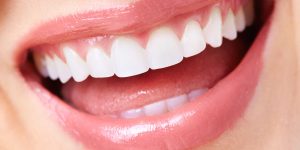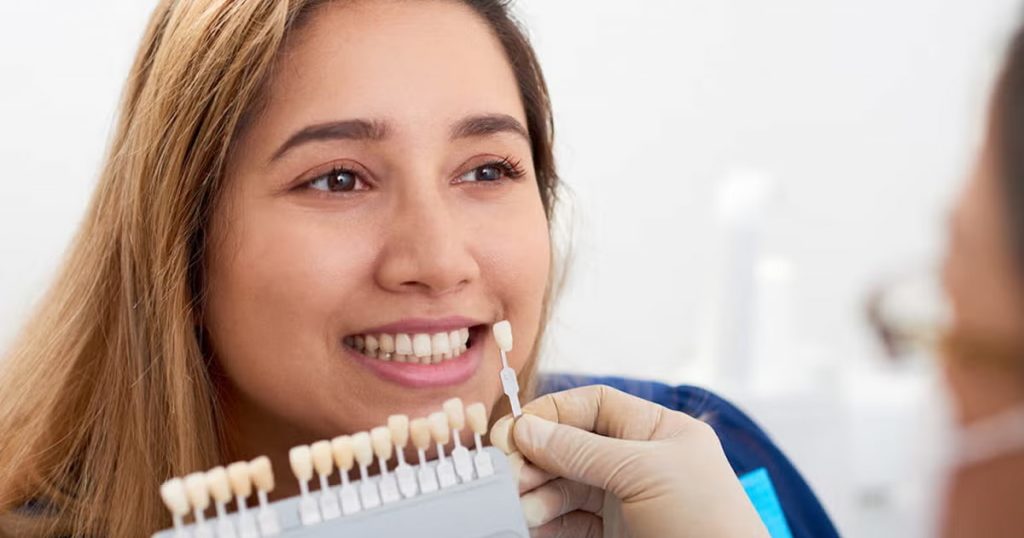
Porcelain veneers often last between 10 and 15 years, and some can last even longer with proper care. Composite veneers generally have a shorter lifespan.
As dental veneers age, the bonding materials that hold them in place can weaken, the veneers themselves may develop wear, and the underlying teeth and gums can change. In many cases, veneer failure can be treated before it affects the health of the tooth underneath.
In this guide, we will explain what to expect if veneers fail after more than a decade, why this happens, and the treatment options available to restore both the appearance and the health of your teeth.
Why Veneers Fail After 10 Years
There are several reasons veneers fail after a decade or more. Sometimes the problem is simply normal aging. In other cases, the cause is related to habits, bite pressure, or changes in the teeth and gums over time.
Natural Wear and Aging
Every day, veneers are exposed to chewing, speaking, and temperature changes from food and drinks. Over many years, this repeated use can slowly wear down the surface or weaken the bond between the veneer and the tooth.
Even strong porcelain can show signs of veneer failure after enough time. This does not mean the veneer was placed poorly. It simply means the restoration has been in use for a long time and may now need attention.
Teeth Grinding
Grinding or clenching the teeth places extra pressure on veneers. This habit, also called bruxism, can happen during the day or while sleeping. The force from grinding can cause small cracks, loosen the veneer, or wear down the edges.
Patients who grind their teeth often do not realize it until a dentist notices signs of veneer failure. A night guard can help protect the veneers and the natural teeth from further damage.
For a more detailed look at possible issues, read our guide on the risks and complications of veneers here.
Tooth Decay Beneath the Veneer
Although veneers cover the front of the tooth, they do not make the tooth immune to decay. If plaque builds up along the edges or the seal weakens, bacteria can get under the veneer and cause cavities.
Bonding Material Breakdown
The cement that holds a veneer in place is strong, but it does not last forever. Over time, moisture, chewing pressure, and normal aging can weaken the bond. Once that happens, the veneer may start to feel loose or may fall off.
That is why a professional exam is needed to know whether the problem is with the veneer failure or with the material holding it in place.
Dental Trauma
Accidents can damage veneers even if they were in good condition before the injury. A fall, sports injury, or biting something very hard can chip, crack, or knock off a veneer. Trauma can also damage the tooth underneath.
If a veneer is damaged by an injury, it is important to have the tooth checked quickly. The dentist will look for any hidden damage and decide whether the veneer can be repaired or needs to be replaced.
For more helpful advice on protecting your smile, you can also read our guide to making your veneers last longer, which explains simple daily habits, foods to avoid, and other ways to reduce wear and keep your veneers in better condition over time.
What To Do If a Veneer Fails
If you think a veneer has failed, the first step is to stay calm. Not every problem is an emergency, but it should still be checked soon. Acting quickly can help protect the tooth and may make treatment easier.
The goal is to keep the area clean, avoid more damage, and get a dental exam as soon as possible. Even if the veneer failure only feels slightly different, it is better to have it looked at before the problem gets worse.
Protect the Veneer
If the veneer comes off in one piece, place it in a clean container and bring it to your dental appointment. Do not try to glue it back yourself, as store-bought glue can damage the tooth and make treatment more difficult.
Avoid Hard Foods
Until the tooth is examined, it is best to avoid hard, crunchy, or sticky foods on that side of the mouth. These foods can put more pressure on the damaged area and may cause more breakage.
Schedule a Dental Visit Promptly
The sooner the veneer is checked, the better the chance of saving it or treating the tooth before more damage happens. A dentist can tell whether the veneer can be repaired, reattached, or replaced.
Prompt care also helps reduce the risk of sensitivity, decay, and discomfort. Even if the issue seems small, it is worth having it evaluated. For more helpful guidance on protecting your veneers and keeping them in good condition, you can also read our dental veneers tips page.
When Is Veneer Failure a Dental Emergency?
A veneer problem becomes more serious when it affects the tooth underneath, causes swelling or bleeding gums, or makes it hard to eat or speak comfortably. In those cases, fast treatment can protect both your comfort and your oral health.
Seek urgent care if you experience:
- Severe tooth pain
- Significant tooth sensitivity
- A broken underlying tooth
- Swelling or signs of infection
- Injury involving multiple teeth
Restore Your Smile With Expert Veneer Care!
If you are worried about veneer failure, contact us today to schedule an evaluation. We can help you determine whether the veneer can be repaired, reattached, or replaced, and guide you toward the treatment that best fits your needs.
Repair or Replace Your Veneers?
Not every failed veneer needs full replacement. The right treatment depends on the extent of damage, the age of the veneer, and whether the underlying tooth is healthy. A dentist will examine the area and explain the best option for your situation.
Sometimes a small repair is enough. In other cases, replacement is the better choice because it yields a stronger, longer-lasting result.
- When Repair May Be Possible: Repair is usually best when the veneer is still firmly attached and the tooth underneath is healthy. It can be a simple way to improve the smile without replacing the entire restoration.
- When Replacement Is Recommended: Replacement is often recommended when the veneer is old, loose, badly stained, or damaged in multiple areas. If the fit is no longer good or the underlying tooth has decay, a new veneer may be the safest choice.
If you would like to compare treatment choices, you can also read our full comparison of dental veneers with their alternatives.
Alternative Treatment Options
Sometimes a veneer is no longer the best option. If the tooth has more serious damage, a dental crown may provide better protection. If the issue is small and mostly cosmetic, dental bonding may be enough.
Your dentist may also suggest other restorative treatments for veneer failure depending on the condition of the tooth and the look you want to achieve. The best choice depends on both health and appearance.
How To Make New Veneers Last Longer
Replacement veneers can last many years when properly cared for. Daily habits matter a great deal, and small changes in routine can make a big difference over time.
Good oral hygiene, regular dental visits, and protecting the veneers from extra force can help keep them looking and feeling their best. The goal is to prevent the veneer failure from happening again.
To extend the lifespan of your veneers:
- Brush twice daily with a non-abrasive toothpaste
- Floss every day
- Attend regular dental checkups
- Avoid biting hard objects
- Wear a night guard if you grind your teeth
- Address dental problems early
It also helps to avoid using your teeth to open packages, biting your nails, or chewing ice. These habits can put unnecessary stress on veneers and shorten their lifespan. For more helpful care tips, read our guide on using electric toothbrushes with veneers.
Restore Confidence When Veneers Fail After 10 Years
Although veneers are designed to last for many years, they can eventually wear down, loosen, crack, or need replacement. The good news is that many veneer failure problems can be treated successfully when they are found early. Paying attention to changes in how your veneers look or feel can help protect your teeth and keep your smile healthy.
If you are having trouble with veneer failure, Emergency Dental Office can provide prompt evaluations and personalized treatment options. We also offer emergency dentistry in North York, as well as dental crowns, root canal therapy, tooth extractions, cosmetic dentistry, fillings, bonding, night guards, and other restorative dental services to help you maintain a healthy and confident smile.
FAQ
-
Can veneers last longer than 10 years?
Yes, many porcelain veneers last 15 years or more when properly cared for. Good brushing, flossing, regular dental visits, and avoiding habits like grinding or biting hard objects can help them last longer.
-
Is it normal for veneers to loosen over time?
It can happen as the bonding material ages or if the tooth and gums change over time. A loose veneer should always be checked by a dentist because it may fall off or allow decay to develop underneath.
-
Can a veneer that falls off be reattached?
Sometimes it can be reattached if the veneer is still in good condition and the tooth underneath is healthy. If the veneer is damaged or the tooth has changed, replacement may be the better option.
-
Will I need all my veneers replaced?
Not always. In many cases, only the damaged or failing veneer needs treatment. Your dentist will check each veneer and recommend the best plan based on the condition of each tooth.
-
Are replacement veneers stronger than older veneers?
Modern materials and techniques may offer better fit, appearance, and durability than older veneers. Still, how long they last depends a lot on daily care and the health of your teeth and gums.
Are your veneers more than 10 years old? Share your questions or concerns about veneer failure, and our team will help you.