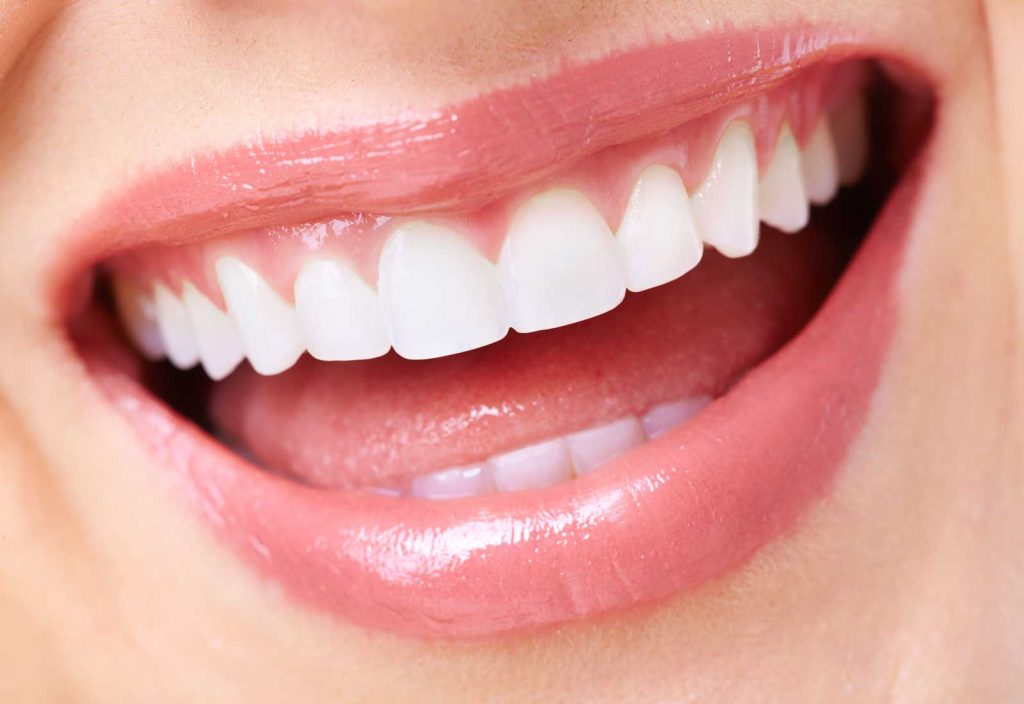
Dental veneers are a popular cosmetic solution, transforming smiles with their ability to correct discolouration, chips, gaps, and misalignments. These thin, custom-made shells, typically crafted from porcelain or resin composite, are bonded to the front surface of your teeth, creating a flawless and natural-looking appearance. The decision to get veneers is an investment in your smile and confidence, and naturally, you’ll want to ensure they last as long as possible.
Understanding how to make your veneers last longer is key to protecting this investment. While veneers are durable, their longevity significantly depends on diligent care and maintenance. In this comprehensive guide, we’ll explore practical strategies, daily habits, and professional care tips to help you extend the lifespan of your beautiful dental veneers and keep your smile shining brightly for many years to come.
Understanding Veneer Lifespan and What Influences It
According to Colgate, the average lifespan of porcelain veneers typically ranges from 10 to 15 years, while composite veneers may last between 5 to 7 years. However, these are just averages. Several factors can significantly influence how long your veneers will last, impacting their durability and aesthetic appeal.
- Material Quality: Porcelain veneers are generally more durable, stain-resistant, and natural-looking than composite veneers, often contributing to a longer lifespan.
- Oral Hygiene Habits: Consistent and proper brushing and flossing are paramount. Neglecting oral hygiene can lead to gum disease or decay in the natural tooth beneath the veneer, compromising its bond and stability.
- Biting Habits: Habits like teeth grinding (bruxism), clenching, or biting on hard objects can exert excessive force on veneers, leading to chips, cracks, or even dislodgement.
- Diet: While porcelain veneers are highly stain-resistant, excessive consumption of highly pigmented foods and drinks can still lead to some discolouration over time, especially around the edges.
- Accidents and Trauma: Any direct impact to the mouth, such as during sports or falls, can damage veneers, just as it would natural teeth.
- Professional Maintenance: Regular dental check-ups and cleanings are crucial for monitoring the health of your veneers and the underlying teeth.
By understanding these influencing factors, you can take proactive steps to protect your dental veneers and ensure you make your veneers last longer.
Daily Care Routines to Make Veneers Last Longer
Your daily oral hygiene routine is the first line of defence in extending veneer lifespan. Consistent and gentle care will help maintain their appearance and structural integrity.
Effective Brushing Techniques
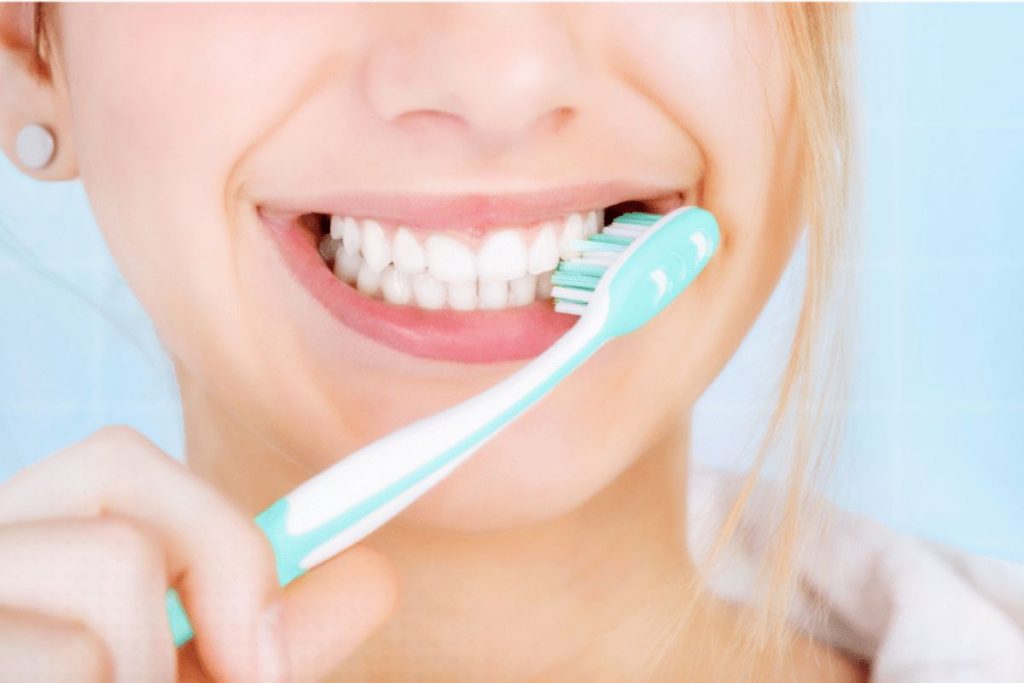
Brushing your veneers is similar to brushing your natural teeth, but with a few key considerations. Use a soft-bristled toothbrush and a non-abrasive toothpaste. Abrasive toothpastes can scratch the surface of your veneers, reducing their natural lustre over time. Brush gently in circular motions for at least two minutes, twice a day, paying close attention to the gum line where plaque tends to accumulate.
The Importance of Flossing
Flossing is non-negotiable for veneer maintenance. It removes food particles and plaque from between your teeth and along the gum line, areas that your toothbrush can’t reach. Daily flossing prevents gum inflammation and decay around your natural teeth, which could otherwise compromise the bond of your veneers. Use a standard dental floss or water flosser, carefully guiding it between each tooth and gently along the gum line.

Mouthwash and Other Aids
An antiseptic, alcohol-free mouthwash can be a beneficial addition to your routine. Alcohol can sometimes affect the bonding material of veneers over time, so choosing an alcohol-free option is safer. Mouthwash helps reduce bacteria and freshen breath, contributing to overall oral health. If you use a water flosser, ensure the pressure is set to a gentle level to avoid damaging your gums or veneers.

Lifestyle Choices for Protecting Your Veneers
Beyond daily cleaning, certain lifestyle adjustments are crucial for protecting veneers and ensuring their longevity. These choices can significantly impact how long your veneers last.
Foods to Avoid and Foods to Enjoy
While porcelain veneers are robust, they are not indestructible. Certain foods can pose a risk:
- Hard Foods: Avoid biting directly into extremely hard foods like ice, hard candy, unpopped popcorn kernels, and nuts. These can chip or crack your veneers.
- Sticky Foods: While not as damaging, very sticky foods can sometimes pull at a veneer, especially if the bond is slightly compromised.
- Staining Foods and Drinks: While porcelain is stain-resistant, prolonged exposure to highly pigmented items like coffee, red wine, dark berries, and tea can still cause some discolouration, particularly at the edges where the veneer meets the natural tooth. Moderate consumption and rinsing with water afterwards can help.
Focus on a balanced diet rich in soft fruits, vegetables, lean proteins, and whole grains. These foods are generally safe for your veneers and promote overall health.

Breaking Harmful Oral Habits
Many common habits can inadvertently damage your veneers:
- Teeth Grinding (Bruxism) and Clenching: This is one of the most significant threats to veneer longevity. The intense pressure from grinding or clenching can lead to chips, cracks, or even detachment of veneers. If you grind your teeth, especially at night, your dentist in Toronto can provide a custom-fitted night guard to protect your veneers.
- Nail Biting: This seemingly harmless habit puts undue stress on your front teeth and, by extension, your veneers.
- Using Teeth as Tools: Never use your teeth to open packages, tear tape, or bite off tags. This can cause severe damage to both natural teeth and veneers.
- Chewing on Pens or Pencils: Similar to nail biting, this habit can lead to chips or fractures.
Being mindful of these habits and actively working to break them is vital for protecting veneers.
The Indispensable Role of Professional Dental Care
Even with meticulous at-home care, regular visits to your dentist are crucial for extending veneer lifespan. Professional oversight ensures your veneers and surrounding oral health remain in top condition.
Regular Dental Check-ups and Cleanings
Schedule dental check-ups and cleanings every six months, or as recommended by your dentist. During these appointments, your dentist will:
- Inspect Veneers: They will check for any signs of wear, chips, cracks, or issues with the bonding. Early detection of minor issues can prevent them from becoming major problems.
- Assess Gum Health: Ensuring your gums around the veneers are healthy is crucial. Gum recession can expose the tooth root, affecting the aesthetics and potentially the longevity of your veneers.
- Professional Cleaning: Dental hygienists use special tools and techniques to clean around veneers without damaging them. They use non-abrasive polishing pastes suitable for cosmetic restorations, preventing scratches and maintaining their shine.
- Bite Assessment: Your dentist will check your bite to ensure there’s no excessive force on your veneers, especially if you show signs of grinding or clenching.
These visits are essential for porcelain veneer maintenance and overall oral health, helping to make veneers last longer.
Addressing Issues Promptly
If you notice any changes in your veneers – a chip, a crack, discolouration, or if one feels loose – contact your dentist immediately. Delaying treatment can lead to more significant damage or compromise the underlying tooth. Prompt intervention can often save the veneer or allow for a simpler, less invasive repair.
Preserve Your Radiant Smile
Veneers are an investment; protect your investment! Schedule a consultation with our Toronto dentists to discuss veneer care and options. Book your next dental check-up with our experienced team today.
When to Consider Veneer Replacement
Even with the best care, veneers do not last forever. Knowing when it might be time to consider replacement is part of extending veneer lifespan in the long run.
- Significant Chips or Cracks: While minor chips can sometimes be repaired, extensive damage might necessitate replacement, especially if the structural integrity is compromised.
- Discolouration That Cannot Be Whitened: While porcelain veneers are highly stain-resistant, composite veneers can discolour over time. If the discolouration is severe and affects your aesthetic goals, replacement may be an option.
- Veneer Detachment: If a veneer completely debonds from the tooth, your dentist will assess if it can be re-bonded or if a new one is needed.
- Underlying Tooth Decay: If the natural tooth beneath the veneer develops decay, the veneer will need to be removed to treat the cavity. Once treated, a new veneer will likely be required.
- Gum Recession: As gums recede with age or due to periodontal disease, the margin of the veneer may become visible, creating an undesirable aesthetic. This might call for replacement or other cosmetic treatments.
- Age of Veneers: As mentioned, veneers have a finite lifespan. If yours are nearing or have exceeded their expected duration, and you notice signs of wear, it might be a good time to discuss replacement options with your dentist.
Your dentist can provide the best guidance on when to replace your veneers, always considering your oral health and aesthetic desires.
Conclusion
Your beautiful smile, enhanced by dental veneers, is a valuable asset. By committing to a consistent routine of diligent oral hygiene, making mindful lifestyle choices, and prioritizing regular professional dental care, you can significantly make your veneers last longer. These practices are not just about protecting your investment; they are about maintaining your oral health and ensuring your confidence shines through for many years to come.
If you have any concerns about your veneers, or if it’s time for your regular check-up and cleaning, don’t hesitate to reach out to a trusted dental professional. Our Emergency Dental Office team in Toronto is here to help you preserve the beauty and durability of your veneers. Contact us to get expert advice and care tailored to your needs.
Have questions about veneers longevity tips?
Share your concerns and questions below, and our team will respond with guidance.