Many patients ask the same question before booking a veneer consultation: Are dental veneers safe after age 50? The simple answer is yes, veneers for older adults are generally safe when your teeth and gums are healthy, and the treatment is properly planned.
Age alone does not disqualify someone from veneers. What matters more is the condition of your enamel, gum health, bite alignment, and overall oral care. In fact, many adults over 50 choose veneers to restore worn, stained, or uneven teeth caused by years of normal use.
This article explains how veneers for older adults work, what safety factors matter most, and how to decide if they are right for you.
Are Veneers for Older Adults Safe After Age 50
Yes, veneers for older adults are safe when the right conditions are met. Dentists focus on health first, appearance second. Safety depends on individual factors rather than age.
Health Factors Dentists Check
Before recommending veneers, dentists evaluate several key areas.
- Gum health and absence of active gum disease
- Sufficient enamel to support bonding
If these conditions are met, veneers can be placed safely and predictably.
Possible Risks to Consider
Like any dental treatment, veneers come with some considerations.
- Tooth sensitivity after placement
- Need for replacement after many years
These risks are usually manageable with proper planning and regular dental care. If you are concerned about potential risks, you may also want to read about whether dental veneers can damage natural teeth and how dentists work to prevent issues.
For a general overview of the advantages and limitations, Colgate provides a helpful guide on the pros and cons of dental veneers for older adults.
Types of Veneers Used for Older Adults
There are two main types of veneers for older adults used in dental care:
- Porcelain veneers: durable, stain-resistant, and long-lasting. They are often recommended for adults over 50 who want a strong and natural-looking result.
- Composite veneers: applied directly to the tooth and require less preparation. They may be suitable in cases where the enamel is thinner or treatment needs to be more conservative.
How Veneers Are Placed
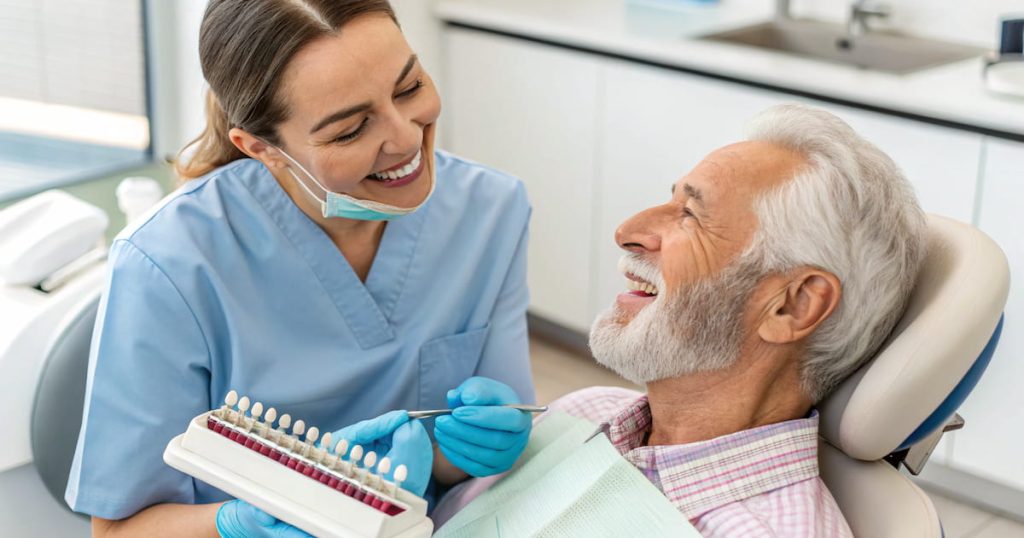
The process usually includes a dental exam, minor tooth preparation, and bonding of the veneers. In many cases, only a small amount of enamel is removed.
For older adults, dentists take extra care to preserve tooth structure and protect gum health during every step. If you would like a clearer step-by-step explanation, you can learn more about how dental veneers work for the beauty of your smile and what to expect before, during, and after treatment.
Benefits of Veneers for Older Adults
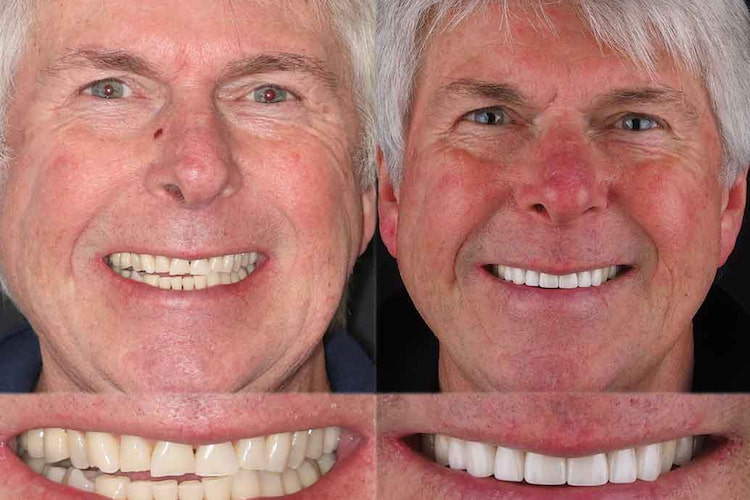
Teeth naturally change with age. Enamel wears down, stains deepen, and small cracks can appear over time. Veneers for older adults help restore what aging has taken away while keeping the smile natural. Many older adults choose veneers because they want improvement without extensive dental work.

Cosmetic and Emotional Benefits
Veneers for older adults can brighten your smile, improve tooth shape, and create a more balanced appearance. Patients often report feeling more confident in social and professional settings after treatment.
Functional Improvements
In some cases, veneers for older adults help protect worn teeth and improve bite alignment. While they are not a replacement for dental crowns, they can provide added strength for mildly damaged teeth.
To learn how veneers compare to other dental treatments, read our full comparison of the top three dental veneer alternatives.
How Long Do Veneers Last for Older Adults?
With good oral hygiene, porcelain veneers can last 10 to 15 years or longer. Composite veneers may need replacement sooner. Longevity depends on daily habits, bite pressure, and routine dental visits.
Caring for Veneers for Older Adults
Veneers are cared for just like natural teeth. Brushing, flossing, and professional cleanings are essential. Avoiding habits like teeth grinding or chewing hard objects helps extend their lifespan.
Are You a Good Candidate for Veneers for Older Adults?
The best way to know if veneers for older adults are right for you is through a dental evaluation. Medical history, medications, and oral health all play a role. A personalized approach ensures safety and long-term success.
Thinking about veneers but not sure where to start?
Our emergency dental clinic in Toronto offers personalized veneer consultations, emergency dental care, cosmetic dentistry, crowns, teeth whitening, and gentle cleanings all in one location.
Are There Any Alternatives to Veneers?
When considering ways to improve your smile as you get older, veneers for older adults are just one option. Understanding how they compare to other treatments can help you make the right choice.
Veneers provide a good balance between improving appearance and preserving your natural teeth. They can change the shape, color, and surface of your teeth without removing too much enamel, making them less invasive than some other options.
Teeth Whitening for Older Adults
Teeth whitening is a common treatment to brighten your smile. It works best on surface stains caused by coffee, tea, or aging.
However, teeth whitening cannot fix worn edges, chips, cracks, or uneven teeth. If your teeth need more than just color improvement, veneers may be a better choice. You can also learn more about how to choose between teeth whitening alternatives to decide which treatment is best for your smile.
Crowns for Aging Teeth
Dental crowns cover the entire tooth and are often used for teeth that are heavily damaged or weakened. They provide excellent protection and strength. The downside is that dental crowns require more enamel removal compared to veneers. This makes crowns more invasive and sometimes less desirable for teeth that are still healthy but need cosmetic improvement.
Where Veneers Fit In
Veneers sit comfortably between whitening and crowns. They improve both appearance and minor function, covering chips, discoloration, or small gaps, while preserving most of your natural tooth structure.
For many older adults, veneers offer a natural-looking, less invasive way to refresh their smile with lasting results.
Where to Find the Best Veneers for Older Adults in North York
Veneers are a safe and effective option for older adults who want to improve their smile. They can brighten teeth, cover chips or cracks, restore worn edges, and boost confidence. With proper oral health and care, veneers offer both cosmetic and functional benefits, helping older adults enjoy a more youthful, natural-looking smile without extensive dental work.
We prioritize patient comfort with advanced techniques that make the veneer process smooth and stress-free, whether you’re in your 40s, 50s, or beyond. Ready to take the first step toward a brighter, more confident smile with dental veneers in Toronto or North York? Schedule a consultation today to explore cosmetic dentistry and emergency care in North York.
FAQ
-
Is there an age limit for veneers?
No. There is no strict age limit for veneers. The most important factor is the health of your teeth and gums. As long as your oral health is good, veneers can be a safe and effective option for adults of any age.
-
Are veneers painful or risky after 50?
Most patients experience little to no pain during the procedure. Some may feel mild sensitivity afterward, which usually resolves quickly. Risks are minimal when veneers are placed by an experienced dentist and oral health is evaluated beforehand.
-
How long will veneers last in older adults?
Porcelain veneers can last 10–15 years or longer with proper care, while composite veneers may last 5–7 years. Longevity depends on habits such as brushing, flossing, avoiding hard foods, and keeping regular dental check-ups.
-
What’s the best type of veneer for seniors?
Porcelain veneers are often preferred for older adults because they are durable, stain-resistant, and look natural. Composite veneers can also be used when less tooth reduction is needed or for a more conservative approach. Your dentist will recommend the best option based on your teeth and goals.
-
Can veneers improve oral function or only aesthetics?
Veneers primarily improve the appearance of your teeth, but they can also help protect worn teeth and improve bite alignment in some cases. While they are not a replacement for crowns or restorative work, veneers can enhance comfort when chewing and contribute to better overall dental function.
Have a question about veneers for older adults after 50?
Leave a comment below or contact our clinic. We are happy to help you understand your options.