A bright, white smile is something many of us want. It boosts confidence, helps us feel more attractive, and leaves a lasting impression. But with so many teeth whitening methods out there, some promising quick results, others being more natural, it can be hard to determine the best teeth whitening options for you.
In this blog, we’ll explore the most popular options, natural alternatives, and how to choose the best one for your needs. We’ll also cover risks and safety tips so you can whiten your teeth with confidence.
What Are Popular Teeth Whitening Methods?
Discovering the best teeth whitening options means exploring professional and at-home methods, from laser-activated in-office treatments to DIY kits and strips.
1. Professional Teeth Whitening Treatments
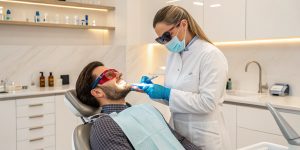
Done at the dental office, this is one of the most effective and safest ways to whiten your teeth. A dental professional applies a whitening gel (usually hydrogen peroxide-based) and may use a special light or laser to activate it. As a result, teeth can get up to 8 shades whiter in one visit and can last 1 to 3 years with good care.

Keep in mind: Some sensitivity is normal after treatment.
At-Home Teeth Whitening Kits
These kits are often provided by dentists and include:
- Custom trays that fit your teeth
- Professional-grade whitening gel
You’ll wear the trays for a certain amount of time each day over 1 to 2 weeks. This option is best for those who prefer at-home convenience with professional results.

Pro Tip: Dentist-approved kits are safer and more effective than store-bought ones.
Whitening Toothpaste and Strips
Over-the-counter options like whitening strips and toothpaste are popular for daily use. Just remember that these options are slower and less effective for deep discoloration. Let’s have a quick look at the pros and cons of whitening strips and toothpaste.
| Product | Pros | Cons |
| Whitening Strips | Easy to use, widely available | Can cause gum irritation or uneven whitening |
| Whitening Toothpaste | Affordable and good for maintenance | Doesn’t whiten deep stains |
Regarding the best toothpaste for your teeth, this article can answer many questions in your head: What Toothpaste Should I Use?
Natural and Safe Alternatives for Teeth Whitening
Looking for chemical-free methods? While they’re not as powerful, some natural options may help remove surface stains.
Activated Charcoal and Baking Soda
- Charcoal: May absorb surface stains, but can be abrasive on enamel.
- Baking Soda: Mildly abrasive and can help remove plaque and stains.
Caution: Use only once or twice a week and avoid vigorous brushing.
Coconut Oil Pulling
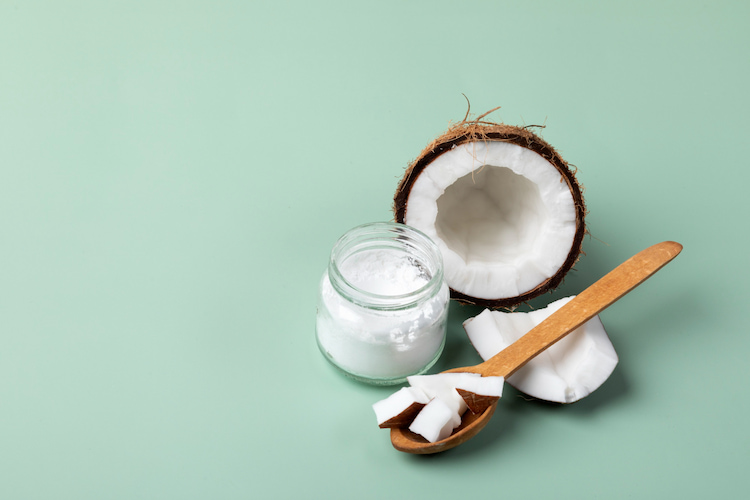
Oil pulling is an ancient practice that involves swishing a tablespoon of oil in the mouth for 10 to 15 minutes. It offers multiple oral health benefits, including reducing bacteria, freshening breath, and potentially decreasing plaque buildup.
While some users report a minimal teeth-whitening effect over time, its primary value lies in supporting natural oral hygiene, making it a complementary addition to daily dental care routines.
Hydrogen Peroxide Whitening Solutions
Used in both home and professional whitening, hydrogen peroxide is highly effective in whitening teeth. The diluted solutions can be used as a mouth rinse. However, you should consult your dentist first. DIY kits may also contain small amounts of peroxide.
Warning: High concentrations without supervision can harm gums and enamel.
Want Personalized Whitening Advice?
Schedule a consultation with Emergency Dental Office today! We’ll help you choose the safest, most effective option based on your needs.
Which Teeth Whitening Option is Best for You?
Teeth whitening isn’t one-size-fits-all. Some methods give quick results, while others require patience. Also, not all stains are the same; your dentist can help you choose between teeth whitening and its alternatives, like veneers or bonding. Before diving into the details, here’s a quick breakdown:
| Method | Effectiveness | Speed | Cost | Best For |
| Professional Whitening | Very high | 1 session | High | Immediate, long-lasting results |
| At-Home Whitening Kits | Moderate | 1-2 weeks | Low | Gradual whitening with convenience |
| Whitening Toothpaste & Strips | Low to moderate | Several weeks | Low | Mild whitening for maintenance |
Factors to Consider
When choosing your best teeth whitening method, consider the factors below:
- Tooth Sensitivity: Some methods can worsen sensitivity; choose gentle options.
- Budget: OTC products are cheaper, but less effective. Professional treatments cost more but give faster, better results.
- Time: Need quick results? In-office whitening is your best bet. Prefer slow and steady? Try trays or strips.
Teeth Whitening for Sensitive Teeth
If your teeth are prone to sensitivity, choose low-peroxide gels, and use sensitivity toothpaste before and after whitening. Also, avoid very cold or hot foods right after treatment. Make sure to talk to your dentist before trying any whitening method if you have tooth sensitivity or gum issues.
Potential Risks and Side Effects of Teeth Whitening
While whitening is generally safe when done properly, there are some things to watch out for.
Sensitivity Issues and How to Manage Them
It’s common to feel some sensitivity after whitening. This usually goes away within a few days. To manage it, it’s better to:
- Use a toothpaste for sensitive teeth
- Avoid very cold or hot foods
- Don’t overuse whitening products

Overuse of Whitening Products
Using whitening kits or strips too often can lead to enamel thinning, gum irritation, and permanent sensitivity. This is why you should always follow the product instructions and avoid daily use.
Keep in mind that you cannot whiten your teeth on a permanent basis. You’ll need to seek whitening treatments every so often for both extrinsic and intrinsic discoloration. Also, keep in mind that these products are for natural teeth. You’ll need to talk to your dentist about how to unify the color of your teeth if you have implants, crowns, bridges, or dentures.
Read more on: Healthline
How to Maintain Your White Smile
The best teeth whitening options shine brightest with proper care; daily habits and periodic touch-ups keep your smile radiant for the long haul. Here’s how to preserve your results:
- Brush twice daily and floss regularly
- Avoid stain-causing foods like coffee, tea, and red wine
- Use a straw to sip dark beverages
- Get regular dental cleanings
Final Word
There’s no one-size-fits-all solution when it comes to teeth whitening. Whether you go for professional treatment, a home kit, or a natural alternative, the best approach is the one that fits your lifestyle, budget, and dental health.
Let Emergency Dental Office help you get the smile you’ve always wanted, with safe, expert-guided care every step of the way. We offer various types of cosmetic dentistry services, like dental veneers in North York. Book your whitening consultation with Emergency Dental Office today and take the first step toward a more confident you!
FAQs
-
What are the most effective teeth whitening options?
Professional whitening is the most effective, but at-home kits and whitening strips can also provide good results over time. It depends on your budget and how fast you want results.
-
Can I whiten my teeth at home safely?
Yes, but it’s important to follow instructions. Overusing whitening products or using high concentrations of peroxide can damage your enamel.
-
What are the best teeth whitening alternatives?
Natural options like coconut oil pulling and activated charcoal may help with mild stains. However, they don’t provide the same dramatic results as professional or peroxide-based treatments.
-
How long does it take to see results from teeth whitening treatments?
Professional whitening gives results instantly, while at-home methods usually take 1-2 weeks. Natural alternatives take even longer.
-
Are teeth whitening strips as effective as professional treatments?
Whitening strips can lighten teeth, but they are not as strong as professional treatments. They work best for gradual whitening and maintenance rather than deep stain removal.
Have you tried teeth whitening before? Got questions about your options or want to share your results? Leave a comment below; we’re all smiles when you join the conversation!