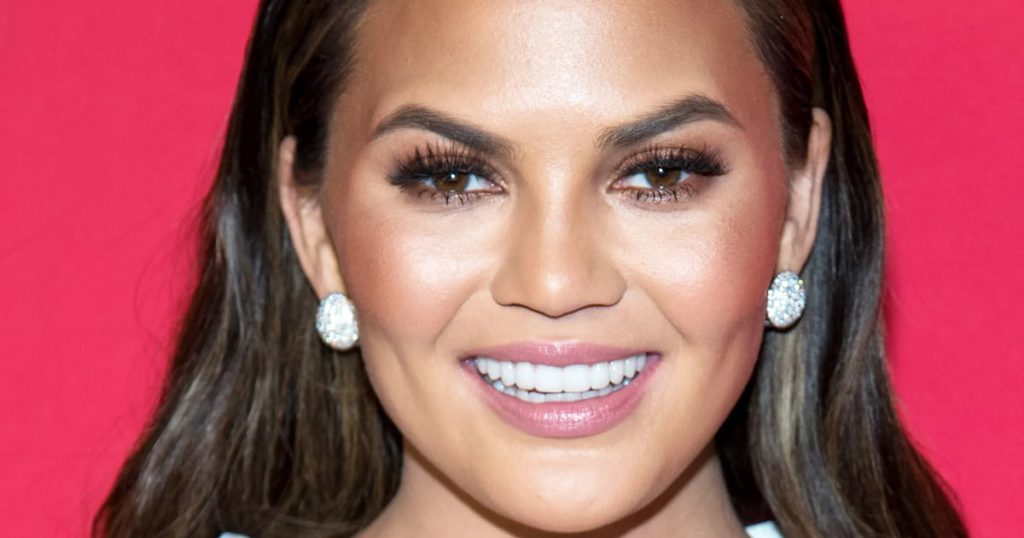
Choosing the best shade for your veneers is one of the most important parts of your smile makeover. Many patients assume that the whitest shade is always the best, but overly bright dental veneers can look fake, draw unwanted attention, and clash with your skin tone or natural teeth.
The right shade looks natural on your face, blends well with your other teeth, and suits your lifestyle and long-term goals. Your cosmetic dentist considers your skin tone, age, natural tooth color, and how bright you want your smile to appear while still looking realistic.
This guide explains how veneer shade selection works, what factors matter most, and how to avoid common mistakes so you can feel confident in your decision.
Popular Veneer Shades and What They Look Like
When trying to choose the best shade for your veneers, you should be familiar with different veneer shades. Veneer shades range from soft, natural whites to very bright cosmetic whites. While many patients assume the most colorful shade is best, the most attractive results usually come from choosing a shade that looks healthy, realistic, and balanced with your facial features.
A1 and B1 Shades
These are the most commonly chosen veneer shades because they create a clean, bright smile without looking artificial. They resemble naturally white teeth and work well for patients who want noticeable improvement without looking obvious or overdone. These shades are ideal for everyday smiles, workplace settings, and patients who prefer long-term natural results.
Don’t Get Dental Veneers Before Reading These 7 Before and After Dental Veneer Tips to better understand what to expect and how to get the best results.
BL1 and BL2 Shades
These are considered ultra-white or “bleach” shades. They are often chosen for full smile makeovers, media appearances, or patients who specifically want a bold, dramatic look. While they can look stunning when done properly, they may appear too bright for some skin tones or age groups, which is why dentists carefully evaluate facial harmony before recommending them.
Softer Natural Shades
Some patients benefit from slightly warmer or softer ivory tones, especially if they have darker skin tones, mature facial features, or natural teeth that are not extremely white. These shades blend more seamlessly with surrounding teeth and often photograph more naturally in different lighting.
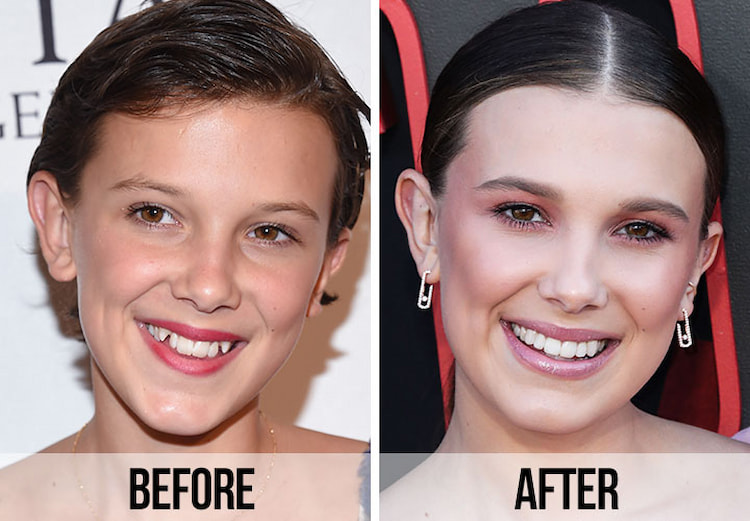
Ultimately, the best veneer shade is the one that enhances your overall appearance rather than standing out on its own. A skilled cosmetic dentist helps guide this decision, so your smile looks bright, confident, and naturally yours. Maintaining your new smile also starts with daily care, so explore these expert tips to maintain good oral hygiene to help keep your veneers looking their best long term.
Key Factors That Affect Veneer Shade Selection
Choosing the best shade for your veneers is not about picking a color off a chart. It is about finding the shade that looks best on you.
Skin Tone and Undertones
Your skin tone plays a major role in how white your teeth appear. Cooler skin tones often pair well with brighter whites, while warmer skin tones usually look more natural with softer ivory shades. The goal is balance, not contrast.
Natural Teeth and Smile Harmony
If you are only getting veneers on a few teeth, the shade must blend seamlessly with your surrounding natural teeth. Even with full smile makeovers, dentists usually avoid extreme white shades to maintain realism.

Age and Lifestyle Considerations
Younger patients often choose brighter shades, while mature patients usually prefer softer tones that match facial features and aging skin. Lifestyle habits like coffee, tea, and smoking can also affect how noticeable stains appear over time.
Facial Features and Lip Color
Your lips, gums, and facial proportions affect how white teeth look. Teeth that are too bright can overpower softer facial features, while natural tones enhance overall facial harmony.
If you’re worried about your veneers looking unnatural, this guide on what to do if your dental veneers look too big, yellow, or fake explains common veneer concerns and how to fix them.
Porcelain vs Composite Veneer Shade Differences
Shade matters because veneers are permanent or long-lasting. Once placed, changing their color usually requires replacing them. Choosing the right shade from the start helps ensure your smile looks natural in all lighting, photographs well, and still looks good years down the road.
Porcelain veneers
- Reflect light like natural enamel for a more realistic brightness
- Resist staining better and maintain color longer
Composite veneers
- Applied directly to teeth and can be adjusted chairside
- Offer shade flexibility, but may stain more easily over time
Both options require thoughtful shade matching to avoid an artificial look. Dentists use standardized shade guides, such as the VITA shade system, to compare tooth colors. These guides range from natural warm shades to brighter bleach tones.

For more insight into how long your dental veneers can enhance your smile before needing replacement, check out how long veneers last.
How Dentists Choose Veneer Shades in Practice
Veneer shade selection happens through a guided process during your consultation, not a quick choice. Dentists compare shade tabs next to your teeth under natural and indoor lighting. This helps prevent choosing a shade that looks good in one environment but unnatural in another.
Many clinics offer digital smile previews or temporary mock-ups so you can see how different shades look on your face before committing. This step helps patients feel confident and involved in the final decision.
Thinking About Veneers? We Can Help.
At emergency dental clinic in Toronto, our cosmetic dentists use advanced shade matching tools and smile previews to help you choose veneers that look natural, balanced, and confident.
Common Mistakes to Avoid When Choosing Veneer Shade
Many patients regret veneer shade choices because of simple misunderstandings. Common mistakes include:
- Choosing the whitest shade without considering facial harmony
- Ignoring how veneers will look next to natural teeth
- Not testing the shade in different lighting
A skilled cosmetic dentist helps guide this decision to avoid long-term dissatisfaction. For additional expert-reviewed information on dental veneers and what to expect, see the comprehensive overview at Healthline’s dental veneers guide.
Besides, remember that the information in these guides is for educational purposes. Every smile is unique, and achieving the perfect look requires a professional assessment of your natural enamel and facial harmony. We recommend a face-to-face consultation to ensure your selected shade looks best in your everyday life.
Professional Tips for Natural Looking Veneers
Creating veneers that look natural takes more than choosing a white shade. Dentists focus on how your teeth reflect light, how they blend with your facial features, and how your smile will look, not just today, but years from now.
One of the most important steps is trusting your dentist’s experience. Cosmetic dentists evaluate your skin tone, lip color, facial structure, and natural tooth color to recommend shades that look balanced and realistic.

Lighting plays a major role in shade selection. A shade that looks perfect under clinic lights may look too bright outdoors or dull in warm indoor lighting. That’s why dentists often check veneer shades in multiple lighting conditions before finalizing the choice.
It’s also important to think long-term. Teeth that are slightly softer in color tend to age better with your face and are less likely to feel outdated as beauty trends change. For those looking to refresh their smile later in life, learn more about how veneers work for mature smiles in Veneers for Older Adults.
To explore how veneers compare to other smile‑enhancing options, check out our full comparison of dental veneer alternatives.
Enhance Your Smile with Expert Veneer Care in North York
Choosing the right veneer shade is about more than just color; it’s about creating a smile that feels natural, balanced, and timeless. With expert guidance, careful shade matching, and attention to your unique facial features, your veneers can enhance your smile for years to come.
Along with veneer consultations and cosmetic smile makeovers, we offer professional teeth whitening in North York, dental crowns, and tooth-colored dental fillings in North York. Whether you are updating your smile or addressing dental concerns, our team is ready to provide clear advice and dependable care every step of the way.
FAQ
-
What is the best shade for veneers?
The best shade is one that looks natural with your skin tone, facial features, and surrounding teeth. Many patients choose A1 or B1 for a bright but realistic result.
-
Should veneers be whiter than natural teeth?
They can be slightly brighter, but overly white veneers often look artificial. Balance is key.
-
Can the veneer shade be changed later?
Not easily. Veneers usually need to be replaced if you want a different color, which is why careful shade selection matters.
-
How do dentists pick veneer shades?
Dentists use shade guides, natural lighting, smile previews, and facial analysis to select the best match.
-
Do veneers stain over time?
Porcelain veneers resist stains very well, while composite veneers may stain slightly over time.
Have questions about veneer shades or smile makeovers?
Leave a comment below, and our dental team will be happy to help.