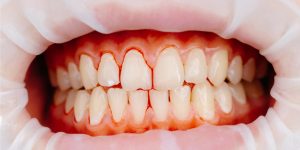
Bleeding gums can feel confusing, especially when you are not doing anything differently. However, gums do not usually bleed without a reason. In most cases, bleeding gums are the body’s response to irritation, inflammation, or infection in the gum tissue.
Healthy gums are firm, pale pink, and do not bleed during normal brushing or flossing. When bleeding starts, it often means bacteria have built up along the gumline or the tissue has become inflamed. In some cases, it can also be linked to overall health conditions or medications.
At the Emergency Dental Office in North York, this condition is carefully assessed by Dr. Alireza Kamali, the Leading cosmetic dentist in Thornhill, Ontario. Identifying the exact cause early helps prevent more serious problems, such as gum disease or tooth loss.
What Causes Bleeding Gums for No Reason
Bleeding gums are usually linked to specific dental or health-related factors, even if they seem sudden. Understanding the cause is the first step toward proper treatment and preventing further damage.
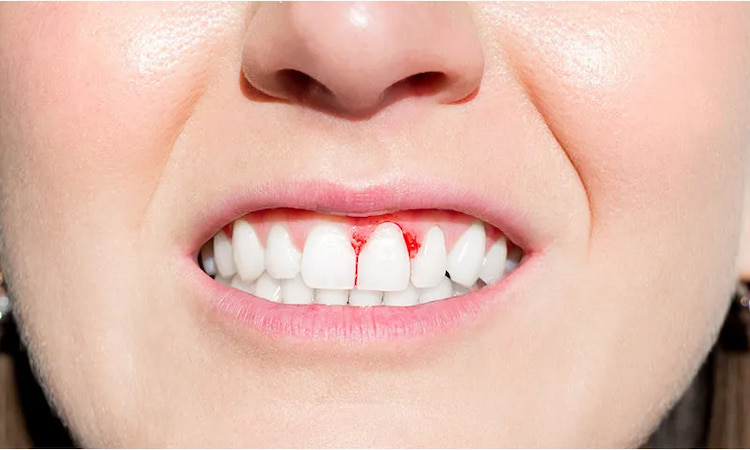
Gingivitis and Early Inflammation
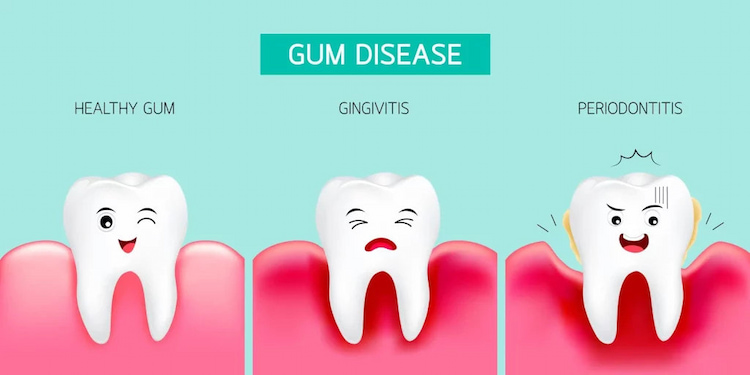
Gingivitis is the earliest stage of gum disease and one of the most common causes of bleeding gums. It happens when plaque, a sticky layer of bacteria, builds up near the gums. This irritates the tissue, causing swelling and bleeding. At this stage, the condition is still reversible with proper dental care.
For a more in-depth, medically reviewed explanation of gum disease and its progression, you can refer to the Cleveland Clinic’s detailed guide on gingivitis and periodontal disease.
Plaque and Tartar Accumulation
If plaque is not removed regularly, it hardens into tartar. Tartar cannot be removed by brushing alone and continues to trap bacteria. This leads to constant irritation, which makes the gums bleed more easily over time.
For guidance on daily oral care habits that help support gum health and reduce irritation, you can also read our article on the best toothpaste for your needs.
Periodontitis and Tissue Damage
When gingivitis is left untreated, it can progress to periodontitis. This is a more advanced condition where the infection spreads deeper into the gums and bone. Bleeding may become more frequent and may be accompanied by gum recession or loose teeth.
Medical Conditions
Some health conditions, especially diabetes, affect how the body heals and fights infection. This can make the gums more sensitive and more likely to bleed, even with minor irritation.
Hormonal Changes
Hormonal changes can increase blood flow to the gums, making them more reactive. This is commonly seen during pregnancy or other hormonal shifts, where gums may bleed more easily than usual.
Medications
Certain medications, especially those that affect blood clotting, can increase the likelihood of bleeding. Even mild gum irritation can lead to noticeable bleeding in these cases.
Nutritional Deficiencies
The body needs essential nutrients to maintain healthy gum tissue. A lack of certain vitamins can weaken the gums, making them more prone to bleeding and inflammation.
For more insight into when bleeding gums become urgent and require immediate dental attention, you can read our related guide: Signs You Have Bleeding Gums.
Is It Normal to Have Bleeding Gums?
Gums should not bleed regularly. If bleeding happens once or twice after changing your brushing or flossing technique, it may not be serious. However, if it continues, it is a sign that something is not right.
Persistent bleeding is often the first visible symptom of gum disease. Ignoring it can allow the condition to progress without pain at first, which is why many people delay seeking care.
Signs That Bleeding Gums Should Not Be Ignored
Some symptoms may seem minor at first, but can point to more serious issues. Recognizing these warning signs early can help prevent long-term complications.
- Frequent or Spontaneous Bleeding: If your gums bleed without brushing or flossing, it usually indicates ongoing inflammation or infection that needs attention.
- Swelling and Redness: Healthy gums are firm and light pink. Swollen or red gums are a clear sign of irritation and should be examined by an emergency dentist.
- Persistent Bad Breath: Bad breath that does not go away may be caused by bacteria trapped under the gums, which is often linked to gum disease.
- Gum Recession or Loose Teeth: When gums start pulling away from teeth or teeth feel loose, it suggests that the supporting structures are affected. This requires immediate care to prevent further damage.
When gum problems progress to a point where urgent care is needed, especially for visitors or non-residents in the city, you can also learn more about available immediate support through our emergency dental services for tourists in Toronto.
Emergency Dental Care in North York!
✔ Same-day appointments for urgent cases
✔ Experienced dentists
✔ Located near Yonge and Sheppard
Book your appointment today!
Affordable Dental Care in Thornhill & Toronto
In our emergency dental office, we believe dental care should be accessible to everyone. That’s why we accept most major insurance plans with direct billing to make the process simple and stress-free. We are also a registered provider for the Canadian Dental Care Plan (CDCP) for eligible patients.
Our clinic proudly welcomes refugees and newcomers, including patients covered under government-assisted dental programs. Our team speaks English and Farsi, making communication easier and more comfortable for many families.
No matter your situation, we encourage you to contact us before assuming treatment is not affordable. We will clearly explain your coverage and guide you through all available options so you can get the care you need without delay.
Professional Treatment for Bleeding Gums
Treatment depends on how advanced the condition is and what is causing it.
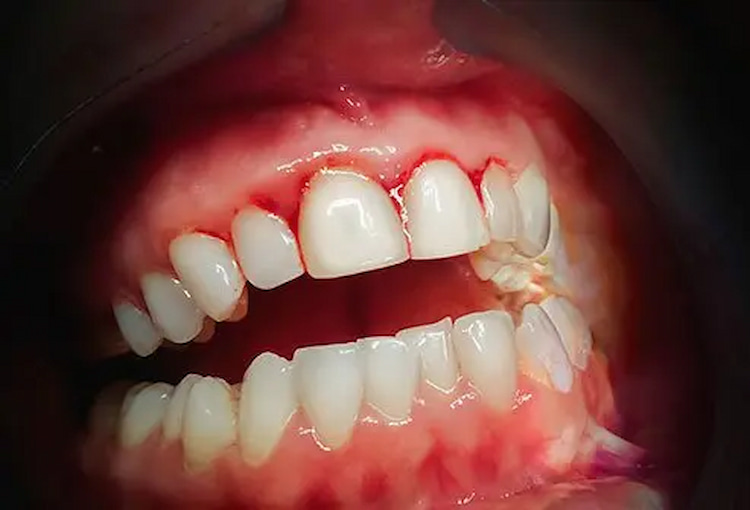
- Professional Cleaning: This is often the first step. It removes plaque and tartar from the teeth and gumline, which reduces irritation and allows the gums to heal.
- Scaling and Root Planing: This deeper cleaning is used when the problem extends below the gumline. It helps remove bacteria from areas that cannot be reached with regular cleaning.
- Periodontal Care: If the condition is more advanced, ongoing treatment may be needed to manage the health of the gums and prevent further damage.
- Medical Collaboration: If a medical condition is contributing to the problem, your dentist may work with your physician to ensure both issues are properly managed.
Please remember that the information in this guide is provided for educational purposes only. Every patient’s oral health is unique, and bleeding gums or related gum conditions can only be accurately diagnosed through a professional dental examination. This content is not a substitute for personalized dental advice, diagnosis, or treatment provided by a licensed dentist.
Take Control of Bleeding Gums with Expert Dental Care in North York
Bleeding gums often start as a mild and easy-to-ignore symptom, but they can quickly develop into a sign of gum disease or deeper oral health issues if left untreated. In most cases, the cause is related to plaque buildup, gum inflammation, or underlying medical factors that need proper diagnosis and professional care.
With timely treatment, including professional cleaning and periodontal care when needed, most cases of gum bleeding can be controlled and improved before they progress further. Early intervention is key to protecting your gums, teeth, and overall oral health.
Along with gum disease treatment, we also provide emergency dental care, tooth extractions, dental fillings, root canal therapy, and infection management in Thornhill & Toronto to support all urgent and ongoing dental needs.
FAQ
-
Why are my gums bleeding even when I brush gently?
This usually happens when there is inflammation in the gums caused by plaque buildup or early gum disease (gingivitis). Even gentle brushing can trigger bleeding when the gum tissue is already irritated.
-
Can stress cause bleeding gums?
Stress does not directly cause bleeding, but it can weaken your immune system and make it harder for your body to fight gum inflammation. This can make existing gum problems worse.
-
Should I worry if my gums bleed once in a while?
Occasional mild bleeding may not be serious, especially if you recently started flossing. However, if it keeps happening, it may be an early sign of gum disease and should be checked by a dentist.
-
Can bleeding gums go away on their own?
Sometimes mild irritation can improve, but most cases will not fully resolve without treating the underlying cause. Professional cleaning is often needed to stop the bleeding long-term.
Have questions about bleeding gums or unsure if your symptoms need urgent care?
Write your question below and our team will guide you.