Top whitening toothpastes remain one of the most searched oral care products because many people want a brighter smile without professional whitening treatment. While these products can improve surface stains, patients should understand that whitening toothpaste does not change the natural color inside the tooth.
Most top whitening toothpastes work by polishing away external stains caused by coffee, tea, red wine, tobacco, and certain foods. However, results depend on the cause of discoloration, the enamel condition, and how consistently the product is used.
This guide explains how top whitening toothpastes work, which ingredients dentists commonly recommend, which products may be safer for sensitive teeth, and when professional whitening may be a better option.
Top Whitening Toothpastes of 2026 Recommended for Different Needs
Different whitening toothpaste formulas are designed for different concerns. Some focus on stronger stain removal, while others prioritize enamel protection or sensitivity relief.
Best Overall Whitening Toothpaste
Many dentists recommend products that balance stain removal with enamel safety. Toothpaste formulas containing fluoride and moderate abrasiveness are often preferred for daily use.
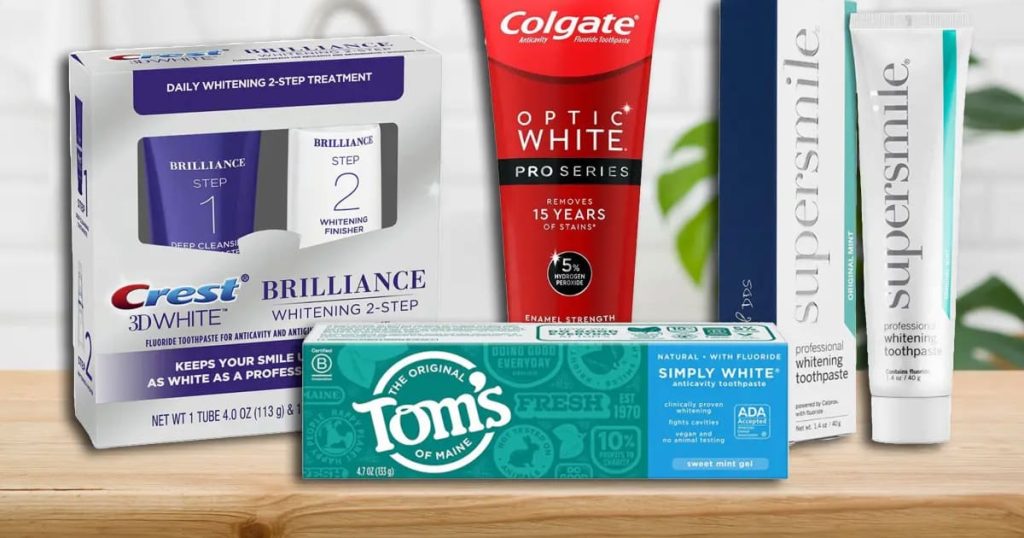
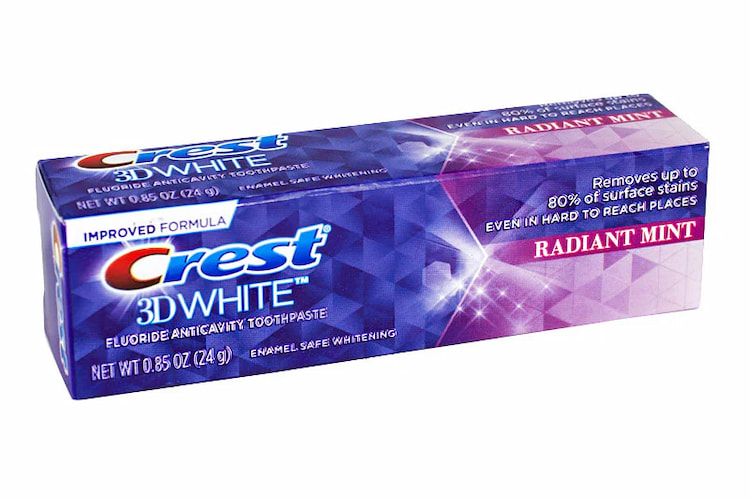
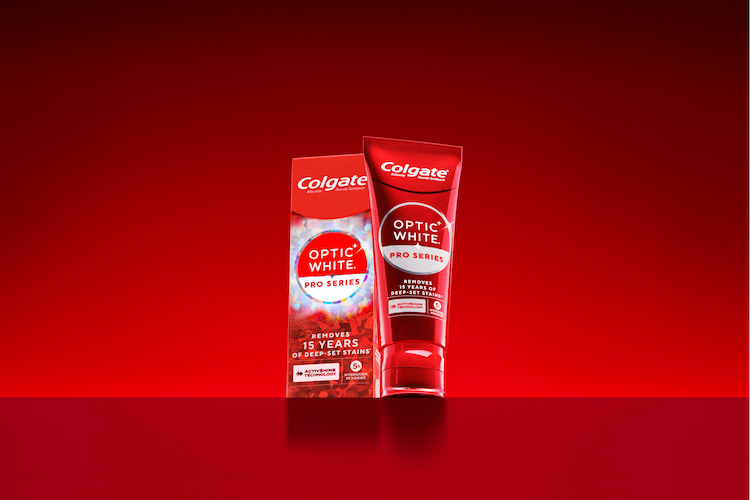
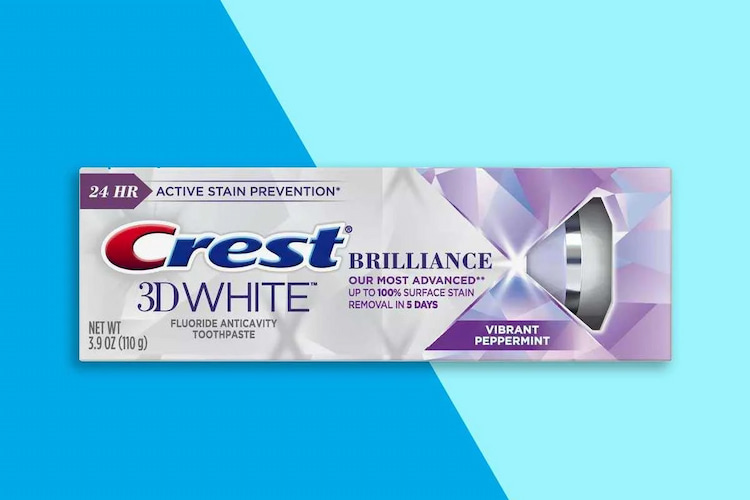
Products such as Crest 3D White and Colgate Optic White continue to remain popular because they combine whitening ingredients with cavity protection.
If you are unsure which formula is safest for your enamel or sensitivity level, learn more about choosing the right toothpaste for your oral health in this guide.
Best Whitening Toothpaste for Sensitive Teeth
Patients with sensitivity often benefit from formulas designed specifically for enamel support and nerve protection.
Sensodyne Pronamel Gentle Whitening is commonly recommended because it focuses on protecting enamel while helping reduce discomfort from hot or cold foods.
Best Whitening Toothpaste for Coffee and Tea Stains
Coffee and tea stains are among the most common cosmetic concerns seen in dental clinics. Colgate Optic White Pro Series is often recommended for patients dealing with darker beverage stains because it contains hydrogen peroxide that helps target surface discoloration more effectively over time. However, consistent brushing and professional cleanings also play an important role.
Good flossing habits can also help reduce plaque and stain buildup between teeth. Learn more about proper daily flossing methods.
Best Enamel Safe Whitening Toothpaste
Enamel safety is important because aggressive whitening products may increase wear over time. Top whitening toothpastes with lower abrasiveness and fluoride support are generally considered safer for long-term use.
Sensodyne Pronamel Gentle Whitening is commonly suggested for patients concerned about enamel protection because it combines gentle whitening with fluoride support for daily use.
Best Whitening Toothpaste for Daily Use
Daily whitening toothpaste should clean effectively without causing irritation or excessive enamel wear. Crest 3D White Brilliance is a popular daily whitening option because it balances stain removal with regular cavity protection.
Many dentists recommend alternating whitening toothpaste with a sensitivity or enamel-strengthening toothpaste if irritation develops.
If you want to compare expert reviews and top whitening toothpastes, this article from Health.com provides additional insights into products commonly chosen for stain removal and enamel safety.
Signs a Toothpaste May Be Too Abrasive
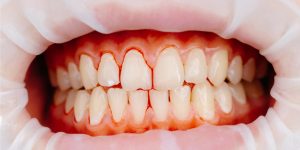
Some patients notice warning signs after using harsh whitening products for several weeks.
These signs may include:
- Increased sensitivity to cold drinks
- Gum irritation
- Teeth appearing translucent near the edges
- Bleeding gums while brushing
If these symptoms appear, it is important to stop using the product and speak with a dentist.
Why Some Whitening Toothpastes Cause Sensitivity
Even top whitening toothpaste can sometimes increase tooth sensitivity, especially when used too aggressively or when enamel is already weakened.
Sensitivity may happen because:
- The toothpaste is highly abrasive
- Gum recession exposes tooth roots
- Enamel is naturally thin
- Existing dental sensitivity is present
Patients with ongoing sensitivity should speak with a dentist before using strong whitening products regularly.
Why Patients Choose Emergency Dental Office?
The team at Emergency Dental Office offer professional whitening consultations, emergency dental appointments, restorative care, and preventive treatments tailored to your oral health needs.
Top Whitening Toothpastes vs Professional Teeth Whitening
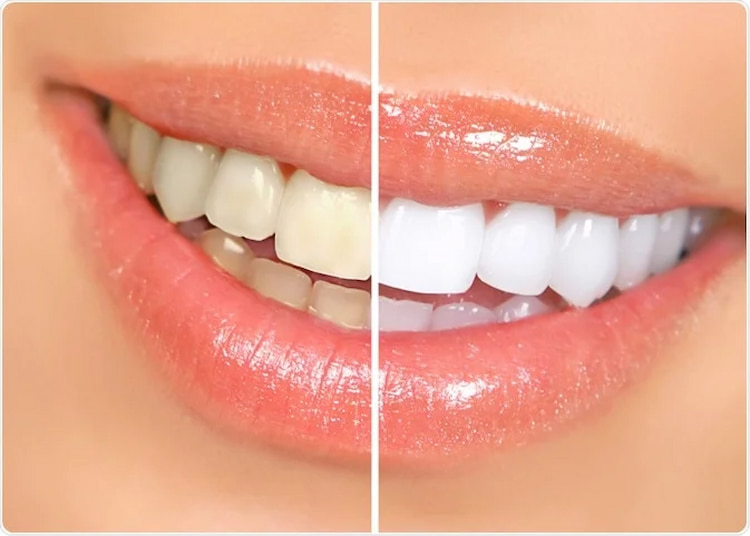
Whitening toothpaste and professional whitening serve different purposes: Whitening toothpaste mainly removes external stains from the enamel surface. Professional whitening treatments use stronger bleaching agents that can target deeper discoloration inside the tooth.
For patients with deeper internal discoloration that even top whitening toothpastes cannot improve, professional treatments such as internal tooth bleaching may help brighten teeth affected by trauma, root canal treatment, or severe staining.
If you are unsure whether whitening toothpaste is enough or if you may benefit more from professional cosmetic treatment, this guide explains the differences between teeth whitening options and their alternatives.
At the Emergency Dental Office, this condition is carefully assessed by Dr. Najmeh Alishavandi, a dentist with over 10 years of experience in general, cosmetic, and restorative dentistry. Her clinical expertise includes preventive care, root canal therapy, emergency dentistry, and cosmetic treatments.
When Professional Whitening May Be Better
Professional whitening may be more suitable for:
- Deep yellow teeth discoloration
- Stains caused by aging
- Internal tooth discoloration
- Uneven whitening results
- Faster cosmetic improvement
Professional whitening treatment is usually customized to the patient’s oral health condition and cosmetic goals.
Please remember that the information in this guide is provided for educational purposes only. Top whitening toothpastes may affect each patient differently depending on enamel condition, sensitivity levels, and the underlying cause of tooth discoloration. Only a professional dental examination can accurately determine the most appropriate whitening approach for your individual needs.
How to Keep Teeth Whiter Longer
Long-term whitening results depend heavily on your daily oral hygiene habits and preventive care.
Limit Foods and Drinks That Cause Staining
Dark beverages and acidic foods may contribute to discoloration over time. Patients who frequently drink coffee, tea, or red wine may notice stains return more quickly.
Using a straw for certain beverages and rinsing with water afterward may help reduce stain buildup.
Maintain Consistent Oral Hygiene
Brushing twice daily, flossing regularly, and attending routine dental visits can help maintain a brighter smile. Professional dental cleanings also support healthier gums and reduce plaque accumulation that may dull the appearance of teeth.
Avoid Smoking and Tobacco Products
Smoking remains one of the most common causes of stubborn tooth discoloration. Tobacco stains can become deeply embedded in enamel and may be difficult to remove with toothpaste alone.
Brighter Smiles Start with Choosing the Top Whitening Toothpastes in 2026
Top whitening toothpastes can help reduce everyday stains from coffee, tea, and other dietary habits, but results vary depending on enamel condition, stain depth, and sensitivity. While many patients notice gradual improvement in surface brightness, deeper discoloration often requires professional evaluation to determine the most effective solution.
A careful, dentist-guided approach helps ensure that top whitening toothpastes are safe for your enamel and do not increase sensitivity or irritation. Understanding the difference between cosmetic improvement and underlying dental concerns is an important step in achieving a healthier, more confident smile.
Alongside cosmetic whitening options, we also provide emergency dental care, restorative treatments, dental fillings, root canal therapy, and preventive dentistry in North York to support both urgent needs and long-term oral health.
FAQ
-
Do top whitening toothpastes really work?
Yes. Top whitening toothpaste may help remove surface stains caused by foods, beverages, and smoking. Results are usually gradual and vary between patients.
-
Can whitening toothpaste damage enamel?
Some highly abrasive products may contribute to enamel wear if overused. Choosing dentist-recommended products and following instructions carefully is important.
-
Which whitening toothpaste is best for sensitive teeth?
Gentle formulas such as Sensodyne Pronamel Gentle Whitening are commonly recommended for patients with tooth sensitivity.
-
How long does whitening toothpaste take to work?
Many patients notice small improvements within several weeks of consistent use, although deeper stains may require professional treatment.
-
Should I use whitening toothpaste every day?
Some top whitening toothpastes are designed for daily use, while stronger products may need to be used less frequently depending on sensitivity and enamel condition.
Have Questions About Whitening Toothpaste or Sensitive Teeth?
Share your questions or experiences with the dental team at Emergency Dental Office.