At Emergency Dental Office, we regularly see patients who arrive with tooth infections that have progressed because early symptoms were ignored. Many people assume a toothache will eventually resolve on its own, but an infected tooth usually requires professional treatment to address the source of the problem.
The warning signs that your tooth infection has spread include worsening or persistent tooth pain, swelling in the gums or face, fever, pus drainage, swollen lymph nodes, difficulty opening your mouth, trouble swallowing, or changes in breathing.
Same-Day and Walk-In Dental Care in Markham and Vaughan.
Tooth Infection Warning Signs
When we evaluate emergency dental patients, certain symptoms immediately raise concern that a tooth infection may have moved beyond the tooth. Recognizing these warning signs can help you seek care before the condition becomes more difficult to treat.

Severe or Increasing Tooth Pain
Many patients describe tooth infection pain as deep, throbbing, or difficult to ignore. While tooth pain can vary from person to person, pain that continues worsening may indicate that bacteria are affecting deeper structures.
A spreading infection may cause:
- Pain that radiates toward the jaw, ear, or neck
- Discomfort that becomes stronger when lying down
- Pain that continues despite over-the-counter medication
Some patients notice that their tooth suddenly feels less painful after fluid drains from a tooth abscess. However, this does not mean the infection has healed. The bacteria may still remain inside the tooth or surrounding tissues.
Learn more about effective ways to manage dental pain and when to seek emergency care.
Swelling in the Gum, Face, or Jaw
Swelling is one of the most noticeable signs that a tooth infection may be spreading.
During emergency dental visits, facial swelling is a symptom that warrants careful evaluation because it can indicate that bacteria have spread to nearby tissues.
You may notice:
- A swollen area on the gum near the tooth
- A puffy cheek or jaw
- Tenderness around the affected area
Swelling that continues increasing, spreads toward the eye or neck, or changes the shape of the face requires urgent attention.
Fever and Signs Your Body Is Fighting Infection
A tooth infection can affect more than your mouth. When your immune system responds to the spread of bacteria, you may develop symptoms that affect your whole body.
Possible signs include:
- Fever
- Chills
- Feeling weak or unusually tired
- Swollen lymph nodes
Although tooth infections often cause pain and swelling, changes in your gums can also indicate that your mouth needs attention. Read more about bleeding gums and the possible causes behind this symptom.
During an emergency dental assessment, these symptoms help determine whether an infection may require additional medical support alongside dental treatment.
Pus, Drainage, or Bad Taste in Your Mouth
A dental abscess contains a collection of bacteria and pus. Some patients notice a small bump on the gum that releases fluid or creates an unpleasant taste.
This may happen because the body creates a drainage pathway, but it does not eliminate the infection.
If you notice pus or repeated drainage near a tooth, it is important to have the area examined. The infected tooth may still require treatment even if the pressure decreases.
Difficulty Opening Your Mouth, Swallowing, or Breathing
Certain symptoms indicate that a dental infection may be affecting deeper tissues. More serious symptoms include:
- Trouble swallowing
- Difficulty breathing
- Swelling around the neck
These signs require immediate attention because infections in deeper facial spaces can affect important structures.
Read our guide on finding a walk-in dentist in your area for urgent dental needs.
What Happens If a Tooth Infection Is Left Untreated?
When we examine patients with advanced dental infections, one common concern is understanding what could happen if treatment is delayed. A tooth infection usually does not resolve on its own because the bacteria causing it remain inside the tooth or in the surrounding tissues.
An untreated infection may affect the tooth’s surrounding structures and lead to complications requiring more extensive treatment. In emergency dental visits, many patients arrive after a toothache has progressed into a more serious condition. Read more about emergency cases of an untreated toothache and the warning signs that require urgent attention.
In Pain Now? We’ll See You Today.
Severe toothache, tooth swelling, a tooth infection? Call, and we’ll get you in fast, find the cause, and stop the pain. Most emergencies are treated the same day.
The Infection Can Spread Into the Jawbone
A spreading infection may lead to inflammation around the tooth root and gradual damage to the supporting bone. In some cases, this can make it more difficult to save the affected tooth.
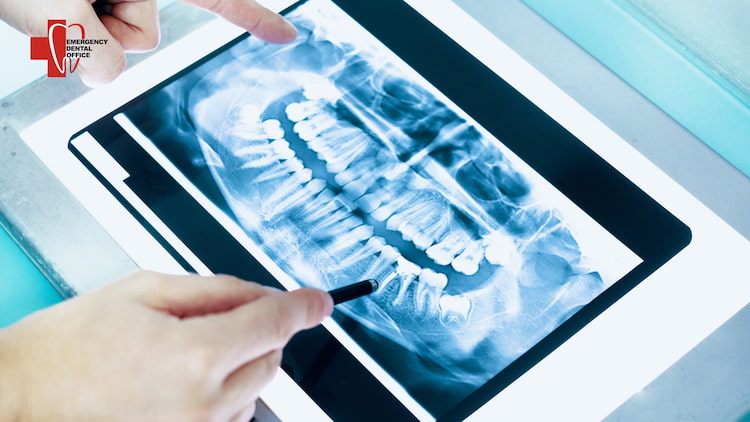
During an emergency dental examination, we use clinical evaluation and dental X-rays to check whether an infection has affected the surrounding bone.
The Infection Can Spread Into Facial and Neck Tissues
Some dental infections can extend beyond the immediate area of the tooth and affect nearby soft tissues. This may cause visible swelling in the cheek, jaw, or neck.
If swelling continues increasing or moves toward the neck area, emergency dental care becomes especially important.
Severe Infections May Affect Overall Health
In rare cases, bacteria from a dental infection can enter the bloodstream and contribute to a condition called sepsis. This is why symptoms such as fever, weakness, rapid swelling, or breathing difficulties should receive urgent attention.
Knowing how to respond quickly can make a difference during urgent dental situations. Learn what to do in a dental emergency and when to seek professional care.
Emergency Toothache Relief in Thornhill: Immediate Pain Relief & Same-Day Appointments in North York
When Should You Contact an Emergency Dentist for a Tooth Infection?
I, Dr. Najmeh Alishavandi, an emergency dentist, recommend seeking professional care if tooth infection symptoms persist, worsen, or begin to affect your daily activities.
Many patients wait because they hope the pain will disappear. However, an infected tooth often requires treatment to eliminate the source of infection and prevent the condition from progressing.
You should contact an emergency dental office if you experience:
- Facial swelling, jaw swelling, or swelling around the infected tooth
- Fever, chills, severe pain, or difficulty swallowing
These symptoms may indicate that the infection requires immediate evaluation.
How an Emergency Dentist Treats a Spreading Tooth Infection
When you visit an emergency dental office with signs of infection, the first goal is to identify the source of the problem and determine the appropriate treatment.
Emergency Dental Examination and Diagnostic Imaging
The evaluation usually begins with checking your symptoms, examining the tooth and gums, and taking dental X-rays when needed. This information helps create an appropriate treatment plan.
Root Canal Treatment
If the infection has reached the inside of the tooth, root canal treatment may be recommended to remove infected tissue. Saving the natural tooth is often possible when treatment is provided before the infection causes severe damage.
Abscess Drainage
In some cases, drainage may be needed to remove the collection of infection. However, draining an abscess alone does not always solve the problem. The infected tooth or affected area still needs appropriate treatment.
Tooth Extraction
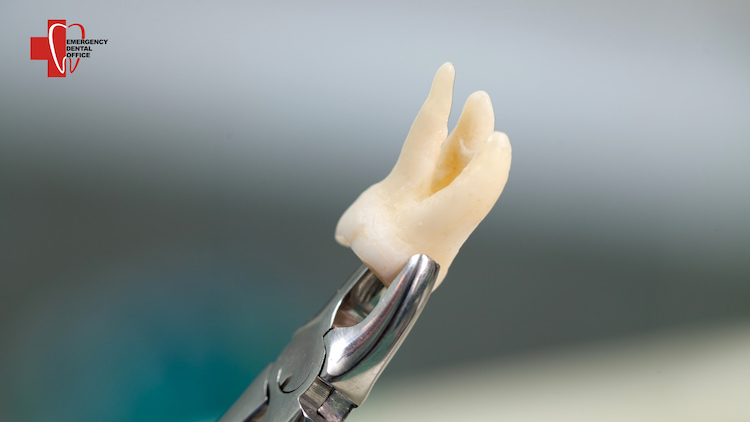
If a tooth has extensive damage and cannot be restored, tooth extraction may be recommended. Removing the tooth eliminates the source of infection and helps protect surrounding tissues. After healing, your dentist can discuss replacement options if needed.
Antibiotics for Certain Dental Infections
Antibiotics may be used when an infection has spread beyond the tooth or when there are signs of systemic involvement. However, antibiotics do not replace dental treatment because they may not eliminate the source of infection within the tooth.
Emergency Dental Office Can Help With a Spreading Tooth Infection
A spreading tooth infection can become more difficult to manage when treatment is delayed. At Emergency Dental Office, we provide urgent dental care for patients experiencing severe tooth pain, swelling, dental abscesses, or signs of infection.
The goal is to identify the source of the infection and provide appropriate treatment to protect your oral health. Depending on your condition, treatment may include emergency examinations, root canal therapy, abscess drainage, tooth extraction, or other restorative dental services.
If you notice warning signs that your tooth infection has spread, contacting an emergency dental office promptly can help prevent it from progressing further.
FAQ
-
Can a tooth infection spread to other parts of the body?
Yes. A tooth infection can spread beyond the tooth when bacteria move into surrounding tissues. In severe cases, the infection may affect the jaw, facial spaces, neck area, or bloodstream.
-
How do I know if my tooth infection is getting worse?
A worsening tooth infection often causes changes in symptoms. Increasing pain, swelling, fever, pus drainage, and changes in your ability to open your mouth may indicate that the infection is progressing.
-
Can a tooth infection go away without treatment?
A tooth infection usually does not resolve on its own without professional treatment. While pain may temporarily decrease, bacteria can remain inside the tooth or surrounding tissues.
-
How quickly can a tooth infection spread?
The speed of infection spread depends on several factors, including the location of the infection, the condition of the tooth, and the person’s overall health.
Share your experience or questions below.
Your comment may help others recognize when dental symptoms need professional attention.