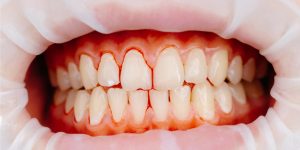
We know how overwhelming dental pain can be, especially when it strikes unexpectedly. It can ruin your whole day, impacting all your daily activities. Also, waiting to see an emergency dentist might feel like a long time when you’re in pain. The good news is that there are some simple things for managing dental pain while you wait. Keep reading to learn practical tips and easy remedies to help manage your dental pain and make you feel a bit better before you get professional help.
The Best Ways to Manage Your Toothache at Home
Your toothache may have different underlying causes, which need to be addressed to solve the problem at its root. However, now is not a good time to think about and investigate the causes! This is what a dentist will do and suggest a treatment accordingly. All you need now is a temporary and quick remedy to help you manage the discomfort until you can see a dentist. Here are some practical ways to help you relieve the pain at home.
1. Rinse with Warm Salt Water
One simple way is to rinse your mouth with warm salt water. Salt is a natural disinfectant that can reduce inflammation, soothe sore gums, and clean the area around the affected tooth. Mix half a teaspoon of salt in a glass of warm water and swish it around your mouth. Do this for about 30 seconds before spitting it out.

2. Apply a Cold Compress
The cold helps numb the area, reducing your sensation of pain. It also contracts blood vessels to decrease swelling and inflammation. Wrap a bag of ice or a cold pack in a cloth and place it against the cheek near the painful area for 15-20 minutes. Make sure to give your skin breaks between applications to prevent cold damage.
3. Use Over-the-Counter Pain Relievers
Use painkillers like ibuprofen (Advil, Motrin) or acetaminophen (Tylenol) to manage toothache pain effectively. These medications may also help reduce inflammation that might be causing discomfort. Don’t forget to take them according to the dosage instructions on the packaging.

4. Use Natural Remedies
You can also use the natural ingredients you may have at home. Most of these ingredients have anti-inflammation properties, which can lessen the pain temporarily. Here are some remedies you can try:
- Clove oil: This is known for its numbing and antibacterial properties. Soak a small cotton ball in the oil and gently dab it onto the painful tooth and surrounding gum area.
- Peppermint tea bags: After soaking it in hot water, wait until it cools down and apply it on your painful teeth and gums. You can also freeze it and use it as a cold compress.
- Garlic: This magical vegetable has antibiotical and pain-relieving properties. Chew it or make a paste out of it and apply it to your tooth.
- Turmeric: Make a paste by mixing turmeric powder with a little water or coconut oil. Then, apply it directly to the affected area.
We’re Here for Your Emergency Dental Pain
Our team of dentists at Emergency Dental Office offers the best practical solutions for your toothache, as well as effective treatments. Feel free to contact us and let our team take care of your dental emergency.
5. Keep Your Head Elevated
When you keep your head flat or lower than your body, it makes the blood rush to the affected area and increases pressure, pain, and throbbing sensations in your tooth. Therefore, you should keep your head elevated with an extra pillow when lying down.
What Are the Common Causes of Dental Pain?
Now that you’ve learned practical ways to deal with your dental pain, we can discuss the causes of toothache in general. Knowing the causing factors helps you recognize the reason for your pain, better explain the problem to your dentist, and prevent the problem in the future.
- Tooth Decay (Cavities): Cavities are holes in your teeth caused by decay. They can make your tooth painful, and sensitive. Poor oral hygiene often leads to this dental issue.
- Gum Disease: It all starts with swollen, bleeding gums and can lead to more serious problems if not treated.
- Tooth Abscess: An abscess is a painful infection in or around a tooth. It causes intense pain and swelling and may also lead to fever and a bad taste in your mouth.
- Tooth Fracture or Cracked Tooth: A crack or break in a tooth can result in toothache. Of course, it might not always be visible.
- Teeth Grinding (Bruxism): When you feel pain in your teeth, jaw, and even head, it can be a sign of grinding or clenching your teeth.
- Impacted Wisdom Teeth: Wisdom teeth that don’t have enough room to come in properly can get stuck and cause dental pain.
- Dental Sensitivity: Sensitivity happens when the outer layer of your tooth wears down. That’s the time you feel pain when you eat or drink hot or cold items.
- Temporomandibular Joint Disorders (TMJ/TMD): Problems with the jaw joint can be painful, affecting your jaw, face, and sometimes ears. You may also hear clicking or popping sounds when you move your jaw.
- Eruption of New Teeth: For children, when new teeth are coming in, it can cause pain and discomfort. This can happen for adults when wisdom teeth emerge.

How to Know If My Toothache Needs Emergency Dental Care?
Sometimes, your toothache comes and goes without the urgent need for care. In this case, you can successfully manage the pain using the remedies we discussed earlier. However, if your toothache is a dental emergency, you need professional help immediately; otherwise, the situation can get worse, leaving you with consistent discomfort and expensive treatments. If you’re experiencing any of the situations below, make sure you contact a dentist as soon as possible.
- Experiencing intense, throbbing, or unbearable pain
- Significant swelling in your gums, face, or jaw
- A fever accompanying your toothache
- Having trouble breathing or swallowing due to pain or swelling
- Dealing with a knocked-out or broken tooth
- Having a pus, discharge or a foul taste in your mouth
- Persistent bleeding from the gums or teeth that doesn’t stop with gentle pressure
How to Prepare for Your Emergency Dental Visit
Before visiting an emergency dentist, it’s better to be prepared to make sure your dental issue will be treated successfully. First, contact the dental office immediately to explain your symptoms and schedule an appointment. Then, gather important information such as your medical history, current medications, and insurance details.
Don’t forget to prepare any questions you have about your condition and treatment options. Bringing a support person can also be helpful if you feel anxious or need help. While you’re in the clinic, stay calm and leave the rest to the dentist; they will handle the case and restore your dental health in the best way possible.
Final Word
When dealing with a toothache, it pays off to know quick and easy ways to manage it. Cold compresses, painkillers, natural remedies, and other methods discussed in this blog are all simple and effective solutions when it comes to dental pain. But remember, if you’re experiencing severe pain, swelling, or any other concerning symptoms, there’s no time to hesitate. Reach out to a dental professional right away.
At Emergency Dental Office, we’re here to help you with urgent dental issues. We know how to provide quick and effective care to get you back on track. Contact us today for prompt, compassionate treatment, and let us take care of your dental emergencies with expertise and care.
FAQs
Are there any risks in delaying treatment for dental pain?
Yes, if you don’t take care of your dental pain soon enough, it can lead to more serious problems. A minor issue, like a small cavity or gum irritation, may start to appear and escalate into more severe conditions, such as a serious infection, abscess, or even tooth loss.
What foods should I avoid if I have a toothache?
Stay away from extremely hot, cold, or sugary foods and beverages, as these can worsen sensitivity and discomfort. Sticky or hard foods can also further irritate the affected tooth or cause more damage. While in pain, try to have soft, bland foods that are less likely to trigger pain.
Can a knocked-out tooth be saved?
Yes, if you act quickly and visit a dentist, you can save your knocked-out tooth. Place the tooth back into its socket if possible, or keep it in a container with milk or saline solution. Then, seek emergency dental care immediately.