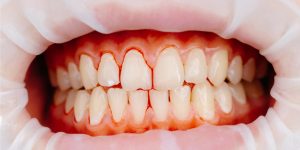
Bleeding gums are often your body’s way of saying something is wrong. Sometimes, it’s as simple as brushing too hard or skipping flossing for a few days. However, in other cases, it can signal gum disease, an infection, or an underlying health issue that requires urgent attention.
If you’re in Toronto and you have bleeding gums, especially with pain, swelling, or loose teeth, it’s time to see a Toronto emergency dentist. Let’s look at the 4 urgent bleeding gums signs you shouldn’t ignore, what they mean, and how quick dental care can protect your smile.
4 Urgent Signs You Have Bleeding Gums
Sometimes, a little gum bleeding after brushing isn’t alarming. But if you notice any of the following four warning signs, you may be facing a dental emergency that needs professional care right away.
1. Bleeding That Persists or Recurs Daily
Occasional bleeding gums after flossing might not be serious, but if your gums bleed every day or for more than a few minutes at a time, it’s a red flag. If your gums bleed while flossing, your technique might be the issue. Learn proper flossing techniques to protect your gums and prevent irritation.
When bleeding becomes routine, it means bacteria are continually irritating your gum tissue, and that’s the first step toward gum disease or bone loss.
2. Bleeding with Swelling, Pus, or Gum Abscess
If you see pus, swelling, or a bump on your gums, you could have a gum abscess, a localized infection filled with bacteria and debris. These infections can spread quickly, causing pain, swelling, and even fever.
A gum abscess requires immediate drainage and antibiotic therapy. Waiting too long can lead to more severe infection or even facial swelling. If you notice pus or swelling with bleeding, call an emergency dentist in Toronto as soon as possible.
3. Bleeding with Severe Pain, Fever, or Spreading Infection
Pain and fever, alongside gum bleeding, can mean the infection is no longer localized. This could indicate an acute periodontal infection or even a dental abscess spreading into surrounding tissues. This is a true dental emergency.
Delaying treatment can allow bacteria to enter the bloodstream, increasing the risk of systemic infection or sepsis. You need urgent dental and medical attention, ideally the same day.
4. Loose Teeth, Gum Recession, or Exposed Roots
If bleeding gums come with loose or shifting teeth, visible gum recession, or exposed roots, the issue is likely advanced periodontitis. This stage causes bone loss around teeth, leading to mobility, sensitivity, and eventually tooth loss.
The earlier you seek treatment, the better the chance of saving your teeth and controlling the infection. Seeing a dentist right away can save your teeth and stop pain from getting worse. Discover the benefits of visiting an emergency dentist before a small issue turns serious.
Why Do You Have Bleeding Gums? (Common Causes and Risks)
Bleeding gums are a common sign that something isn’t quite right with your oral health. While it might seem harmless at first, frequent bleeding gums can point to early gum disease or other health issues.
| Cause | What It Means |
|---|---|
| Plaque buildup | Not brushing or flossing enough lets bacteria irritate your gums. |
| Gingivitis | Early gum disease causes gums to be red, swollen, and bleed easily. |
| Gum infection | A deeper infection that can damage the bone around your teeth. |
| Hormonal changes | Pregnancy or menopause can make gums more sensitive. |
| Medications | Some medicines, like blood thinners, make gums bleed more easily. |
| Vitamin lack | Not getting enough vitamin C or K can weaken your gums. |
| Health problems | Diabetes or low immunity can make it harder for gums to heal. |
Sometimes bleeding isn’t just about maintaining your oral hygiene. Hormonal changes, certain medications, vitamin deficiencies, or health conditions like diabetes can also make gums more sensitive. That’s why it’s important to get checked by a dentist to find out the real cause.
What to Do Immediately (Before You Reach the Dentist)
If your gums start bleeding heavily or painfully, here’s how to manage it safely before you get to a dental clinic:
- Rinse gently with warm salt water (avoid harsh mouthwash).
- Apply light pressure using a clean gauze pad if bleeding continues.
- Avoid smoking, spicy foods, and alcohol, which can worsen irritation.
- Stay hydrated and avoid poking or brushing the area aggressively.
- Book an emergency appointment immediately, even if the bleeding stops temporarily.
At Emergency Dental Office Toronto, same-day appointments are available for gum bleeding, swelling, and pain. It’s best not to wait until symptoms worsen.
What to Expect at the Emergency Dentist (Toronto)
When you visit an emergency dentist in Toronto for bleeding gums, the dentist will start with a careful check-up to find the cause. This includes looking at your gums closely, gently probing them, taking X-rays if needed to check for bone loss or abscesses, and reviewing your medical history for factors like medications or diabetes that might affect your gums.
Treatment May Include:
- Professional cleaning or deep scaling: To remove plaque and tartar from below the gum line.
- Antibiotic therapy: To stop bacterial infection.
- Drainage or minor surgery: If an abscess or deep pocket is found.
- Follow-up maintenance: Regular cleanings and home care instructions.
Your dentist will also give you personalized advice to prevent recurrence, such as switching toothbrushes, improving technique, or scheduling more frequent cleanings.
Worried about the price of urgent dental care? Learn what to expect and how to plan in this guide on the cost of a dental emergency in Toronto.
Prevention & Long-Term Gum Health
Keeping your gums healthy over time is just as important as treating problems when they appear. Regular care and simple habits can prevent bleeding gums, infections, and gum disease.
Daily Oral Care
Brush twice a day with a soft-bristle toothbrush and floss daily to remove plaque between your teeth. Using an antibacterial mouthwash can also help reduce bacteria that irritate your gums.
Regular Dental Visits
See your dentist at least twice a year for cleanings and check-ups. More frequent visits may be needed if you have ongoing gum issues or other risk factors.
Healthy Lifestyle Habits
Avoid smoking, eat a balanced diet rich in vitamins, and manage health conditions like diabetes. These habits support strong, healthy gums and reduce the risk of future bleeding.
Act Now for Bleeding Gums!
Don’t wait until bleeding gums turn into a serious problem. Your smile deserves prompt care. Schedule your visit today!
Get Expert Help for Bleeding Gums
Bleeding gums might seem harmless, but they can be your first warning of gum disease or infection. Ignoring them can lead to tooth loss, painful abscesses, or serious health issues.
If you’re in Toronto and experiencing bleeding gums, swelling, or sudden dental pain, don’t wait to get help. Our experienced team also offers emergency tooth extractions or cosmetic dentistry services in North York to restore your smile safely and quickly.
Your gums are trying to tell you something. Listen early, and protect your smile for life.
FAQ
-
Why are my gums bleeding when I brush?
Usually due to plaque buildup or early gum inflammation (gingivitis). Regular cleanings and gentle brushing can help stop it.
-
When do bleeding gums become an emergency?
If bleeding is persistent, painful, or accompanied by swelling, pus, or fever, it’s a sign of infection and needs urgent dental care.
-
Can bleeding gums go away on their own?
Mild gingivitis can improve with better hygiene, but ongoing bleeding needs professional evaluation.
-
What if I’m on blood thinners?
Blood thinners can make gums bleed more easily. Always inform your dentist so they can adjust care safely.
-
How soon can I see a dentist in Toronto for bleeding gums?
At Emergency Dental Office, we offer same-day or next-day appointments for bleeding, swelling, or gum pain.
If bleeding persists over the weekend, see our Saturday dentist in North York immediately.
Have you experienced bleeding gums or noticed any of the urgent signs mentioned above?
Share your experiences or questions in the comments below!