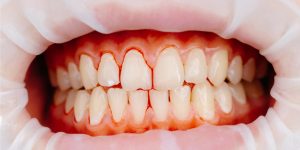
A dental emergency can strike when you least expect it, and knowing how to act quickly can make all the difference in preventing further damage or pain. Whether it’s a chipped tooth, a severe toothache, or a dental abscess, recognizing the situation as an emergency and knowing how to respond is key. This guide will take you through common dental emergencies, how to respond to them, and how to get the help you need quickly.
Immediate Steps to Take in Common Dental Emergencies
According to WebMD, a dental emergency is a situation where urgent dental care is needed to alleviate pain, prevent further damage to a tooth, or address a potential infection. Knowing what to do in the heat of the moment can make a huge difference in saving a tooth. Here are a few examples of what qualifies as a dental emergency and what you need to do:
| Dental Emergency | Description | What to Do | Urgency Level |
| Severe Tooth Pain | Intense, persistent pain, often from decay or infection. | Rinse with warm salt water, take pain relievers, and see a dentist ASAP. | High – Same-day visit recommended |
| Knocked-Out Tooth | A tooth completely falls out due to trauma. | Keep the tooth moist (milk or saliva), avoid touching the root, and see a dentist immediately. | Critical – Within 1 hour |
| Chipped or Broken Tooth | A tooth cracks or breaks due to injury or biting hard food. | Save any broken pieces, rinse your mouth, and see a dentist. | Moderate – Visit within 24-48 hours |
| Lost Filling or Crown | A filling or crown falls out, exposing the tooth. | Use dental cement or sugar-free gum as a temporary fix and see a dentist. | Moderate – Within a few days |
| Dental Abscess | A pus-filled infection near the tooth root causing swelling and pain. | Rinse with salt water, take pain relievers, and seek immediate dental care. | High – Same-day visit required |
| Severe Gum Bleeding | Uncontrolled bleeding from the gums or after an extraction. | Apply pressure with gauze, avoid rinsing forcefully, and seek urgent care if bleeding continues. | High – Seek care immediately |
When to Seek Immediate Dental Care
If you experience severe pain, swelling, or a tooth is knocked out, it’s time to seek immediate dental care. Early intervention is key, as delaying treatment can worsen the situation. Minor chips or mild discomfort can often wait, but when it’s severe, don’t hesitate to get professional help.
Once, we had a patient come in holding her face, her cheek visibly swollen. She had ignored a mild toothache for weeks, thinking it was nothing serious. One night, the pain became unbearable, and by morning, the swelling had worsened. When we examined her, the infection had spread deep, requiring an emergency procedure to prevent it from reaching her bloodstream.

How to Handle Specific Dental Issues at Home
While most dental emergencies require a dentist, there are temporary fixes you can try to make the situation more manageable until you get help.
- Temporary Fixes for a Lost Filling or Crown
If you lose a filling or crown, cover the exposed area with dental cement, which you can find in most pharmacies. Alternatively, you can use sugar-free gum to protect the tooth temporarily from further damage until you can get to the dentist.
Need Immediate Help? Call Emergency Dental Office Now!
Dental emergencies can happen anytime, so make sure you’re prepared. Contact Emergency Dental Office for fast, professional care when needed!
- Controlling Bleeding and Swelling
If you’re bleeding, apply pressure with a clean cloth or gauze to stop it. For swelling, a cold compress on the outside of your mouth or jaw can help reduce pain and inflammation. Make sure to avoid placing aspirin directly on the affected area as it could irritate the tissues.
- What Not to Do in a Dental Emergency
There are some things you should avoid in a dental emergency. Don’t attempt to fix your teeth with superglue or other household adhesives. This can cause further damage and make professional treatment more difficult. Also, don’t ignore severe pain; prompt treatment can prevent serious issues.

Preventing Dental Emergencies
Taking steps to prevent dental issues can save you from the pain and stress of an emergency.
- Importance of Regular Dental Checkups
Routine dental visits help catch problems early, preventing them from escalating into emergencies. Your dentist can identify issues like cavities or gum disease that might require attention before they become severe.
- Protective Measures for Sports and High-Risk Activities
If you play contact sports, wearing a mouthguard is essential for protecting your teeth from injury. Also, avoid using your teeth to open bottles or packages—this can lead to cracks or breaks.
- Maintaining Proper Oral Hygiene
Brushing twice a day and flossing daily are crucial for keeping your teeth healthy and avoiding problems like cavities and gum disease, which can eventually lead to more serious issues.
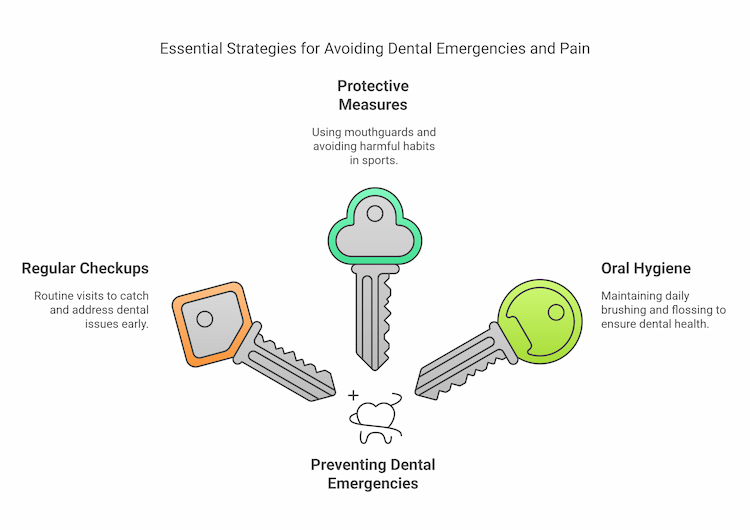
Dealing with a dental emergency now? No worries, we’ve got your back! At Emergency Dental Office, our dentists are always ready to help you relieve pain and discomfort and get back to normal life. Please feel free to contact us and address your urgent dental problem.
FAQs
-
What qualifies as a dental emergency?
A dental emergency includes situations where immediate care is needed to prevent further damage, pain, or infection, such as a knocked-out tooth, severe tooth pain, or uncontrollable bleeding.
-
What should I do if my tooth gets knocked out?
If your tooth is knocked out, rinse it gently with water and try to place it back in the socket. If you can’t, store it in milk or a tooth-preserving solution and get to a dentist right away.
-
Can I treat a dental emergency at home?
You can manage some symptoms temporarily, such as using a cold compress for swelling or dental cement for a lost filling, but professional care is necessary for most dental emergencies.
-
What is the fastest way to stop dental pain?
Rinse with warm salt water, use a cold compress, and take over-the-counter pain relievers. But make sure to visit a dentist soon for the right treatment.
-
How do I find an emergency dentist near me?
Search online for “emergency dentist near me” or call your dentist’s office to see if they offer emergency appointments. If not, urgent care dental clinics or an ER may be a good option.
We are the Saturday dentist in North York you can trust for weekend emergencies.