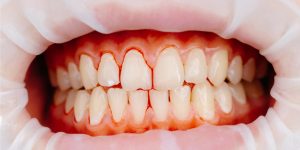
As an emergency dentist, we often see patients who arrive with a photo on their phone and one question: “Is this an exposed tooth root?” An exposed tooth root can appear as a yellow, dark yellow, or brownish area near the gum line where the gum tissue has pulled away from the tooth.
An exposed tooth root picture can provide useful clues, but photographs alone do not tell the full story. Similar appearances may result from gum recession, root decay, tartar buildup, tooth wear, or a crack near the gum line. A clinical examination is often necessary to determine exactly what is happening.
This guide explains what emergency dentists look for when evaluating an exposed tooth root, what causes it, and which treatment options may be recommended.
You can visit an emergency toothache relief dentist in Thornhill and a Richmond Hill emergency dentist.
What Does an Exposed Tooth Root Look Like?
One of the most common concerns we hear from emergency dental office patients is that their tooth suddenly looks different near the gum line. An exposed tooth root usually appears as a darker section of the tooth close to the gum margin.
Many patients describe seeing:
- A yellow band near the gums
- A tooth that appears longer than before
The amount of root exposure can vary considerably. Some patients have only a few millimeters of recession, while others have significant portions of the root visible.

Black spots near the exposed root can indicate staining, tartar buildup, root decay, or another dental concern. Learn about the possible causes and treatment options in our guide on black spots on teeth.
Healthy Gum Line Versus Root Exposure
Healthy gums fit closely around the teeth and cover the root structure. When recession occurs, the gum line moves downward and reveals areas that were previously protected.
Patients often notice the difference first while brushing their teeth or looking closely in a mirror.
If your exposed tooth root is accompanied by bleeding gums, it may be a sign that gum recession is related to gingivitis or periodontal disease rather than normal aging alone. Learn what causes unexplained gum bleeding.
Why Tooth Roots Become Exposed
Root exposure rarely happens without an underlying cause. Identifying that cause is one of the most important parts of treatment planning.
Gum Recession
The most common cause of exposed roots is gum recession. As the gum tissue gradually moves away from the tooth, more of the root becomes visible. Recession can affect one tooth or several teeth throughout the mouth.
Periodontal Disease
Periodontal disease is another frequent cause. Infection beneath the gum line can damage the tissues and bone that support the teeth. As this destruction progresses, roots become exposed and may develop sensitivity.
In emergency dental settings, we often see patients who were unaware they had gum disease until root exposure became noticeable.
Brushing With Excessive Force
Many people assume that brushing harder creates cleaner teeth. In reality, excessive brushing pressure can contribute to gum recession and wear near the gum line. Because exposed tooth roots are more vulnerable to sensitivity and root decay, choosing the right toothpaste can make a meaningful difference in your daily comfort.
Read our guide on what kind of toothpaste you should use to learn which ingredients help protect exposed roots, reduce sensitivity, and support healthier teeth and gums.
Teeth Grinding and Clenching
Grinding places repeated stress on teeth and supporting tissues. Over time, this pressure may contribute to gum recession, tooth wear, and sensitivity associated with root exposure.
Tobacco Use
Smoking and tobacco use are strongly associated with gum disease and recession. These habits can affect the health of gum tissue and reduce its ability to recover from inflammation.
Tooth Trauma
A fractured tooth or injury near the gum line may expose root surfaces and create symptoms that resemble gum recession.

Common Symptoms Associated With Root Exposure
Not all exposed tooth roots cause pain. Some patients discover the problem only during a routine dental examination.
- Tooth Sensitivity: Sensitivity is one of the most common complaints. Cold beverages, sweet foods, and even cool air may trigger a sudden sharp sensation.
- Changes in Tooth Appearance: Many patients become concerned because a tooth appears longer than neighboring teeth. This change often reflects gum recession rather than actual tooth growth.
- Discomfort During Brushing: When the root surface becomes exposed, brushing can irritate the area and cause tenderness.
- Food Getting Trapped Near the Gum Line: As recession progresses, spaces may develop around affected teeth. Food particles can collect in these areas and increase irritation.
To learn more about the causes, symptoms, and treatment options for root exposure, read this detailed guide from Healthline on exposed tooth roots. This resource provides additional information on why root exposure occurs and when professional dental care may be necessary.
Can an Exposed Tooth Root Become an Emergency?
In some situations, yes. Many exposed tooth root cases develop gradually and can be managed through routine dental care. However, certain symptoms require more immediate attention.
Significant pain may indicate infection, advanced decay, or nerve involvement. Swelling is often associated with tooth infection and should not be ignored. The presence of pus frequently suggests an abscess or active infection. A fall, sports injury, or fractured tooth can expose root structures unexpectedly. These situations should be evaluated as soon as possible.
Treatment Options for an Exposed Tooth Root
Treatment depends on the extent of the exposure and the condition of surrounding tissues. When sensitivity is the primary concern, professional desensitizing products may reduce discomfort.
Fluoride applications can strengthen exposed tooth root surfaces and reduce the risk of root decay. Composite resin can sometimes be placed over exposed root areas to improve comfort and provide additional protection.
If gum disease is present, deep cleaning procedures may be recommended to remove plaque and tartar beneath the gums. For significant recession, a gum graft may be used to cover exposed roots and improve tissue coverage.
If infection reaches the pulp of the tooth, root canal therapy may be necessary, and when damage is extensive and restoration is not possible, tooth extraction may be discussed.
What to do right now?
If you have noticed changes near the gum line or increased tooth sensitivity, a professional evaluation can help identify the cause and determine the most appropriate treatment.
How to Protect an Exposed Root Before Your Appointment
Although professional evaluation is important, certain measures may help reduce discomfort.
- Use a Soft Bristled Toothbrush: Reducing brushing pressure may help prevent additional gum recession.
- Avoid Extreme Temperatures: Very cold foods and drinks frequently trigger sensitivity in exposed roots.
- Maintain Consistent Oral Hygiene: Plaque accumulation around exposed roots increases the risk of decay and gum disease.
- Avoid Delaying Evaluation: Persistent sensitivity or visible recession should be assessed by a dental professional.
Maintaining good oral hygiene plays an important role in preventing conditions that may contribute to exposed tooth roots, such as gum recession, plaque buildup, and periodontal disease. Learn practical daily habits and professional care recommendations in our guide on tips to maintain good oral hygiene to help protect your gums, teeth, and overall oral health.

When Should You Contact an Emergency Dentist for an Exposed Tooth Root?
I, Dr. Alireza Kamali, as an emergency dentist, recommend seeking professional dental care if you notice a visible exposed tooth root, increasing sensitivity, swelling, or persistent discomfort around the gum line.
Many patients delay treatment because an exposed root may seem like a minor cosmetic change. However, root exposure can be a sign of gum recession, periodontal disease, tooth damage, or other underlying concerns that may worsen without proper evaluation.
Emergency Dental Office Can Help With an Exposed Tooth Root
An exposed tooth root can become more serious when the underlying cause is not addressed. At Emergency Dental Office, we provide urgent dental care for patients experiencing tooth sensitivity, gum recession, exposed roots, severe dental pain, swelling, or signs of infection.
The goal is to determine why the root has become exposed and recommend appropriate treatment to protect the tooth and surrounding tissues. Depending on your condition, treatment may include emergency examinations, gum disease treatment, dental fillings, root canal therapy, dental bonding, dental crowns, or other restorative dental services.
If you notice a visible exposed tooth root, increasing sensitivity, or discomfort near the gum line, contacting an emergency dental office promptly can help identify the problem and prevent further complications.
FAQ
-
Is an exposed tooth root dangerous?
Not always, but it increases the risk of sensitivity, decay, and complications involving the supporting tissues around the tooth.
-
Can an exposed tooth root heal on its own?
The exposed root generally does not become covered again naturally once gum recession has occurred.
-
Why does my tooth look yellow near the gums?
The yellow appearance is often caused by exposure of the root surface and underlying dentin.
-
Does an exposed root mean I have gum disease?
Not necessarily. Gum disease is one possible cause, but brushing habits, tooth grinding, trauma, and aging can also contribute.
-
Can root exposure cause tooth loss?
If the underlying cause progresses without treatment, the supporting structures around the tooth may become compromised.
Have you noticed a yellow area near the gum line or increased tooth sensitivity?
Share your questions below and tell us what symptoms you have experienced.