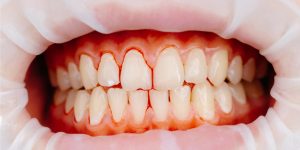
Dental emergencies can strike when you least expect them, during dinner, in the middle of the night, or even on vacation. That’s why having access to an emergency dentist can make all the difference.
One of the biggest benefits of visiting an emergency dentist is immediate pain relief. Emergency dentists are trained to quickly diagnose the issue and begin treatment on the spot, helping you avoid hours or even days of unnecessary suffering.
In this blog, we’ll dive into what emergency dentistry involves, when you should seek help, and why prompt care is one of the smartest decisions you can make for your oral health.
What is Emergency Dentistry?
Emergency dental services are designed to deliver quick, effective solutions to relieve pain, prevent infection, and stabilize your oral health. Most emergency dental offices are available outside of typical working hours, evenings, weekends, and sometimes even holidays, to ensure you get help when you need it most.
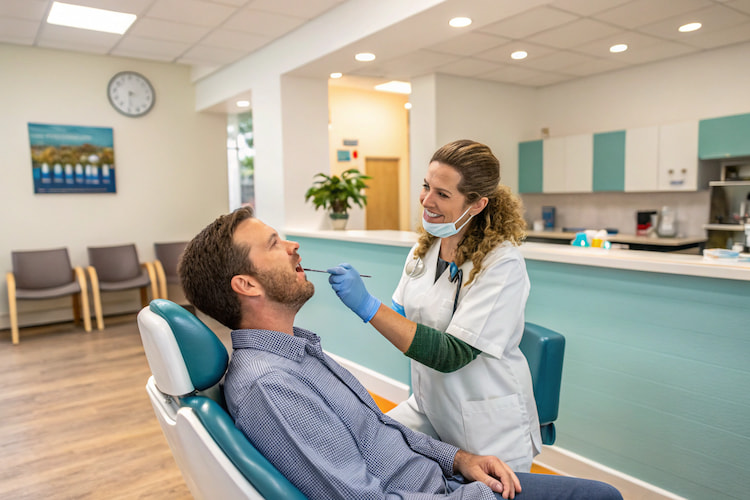
Key Benefits of Seeing an Emergency Dentist
When a dental crisis strikes, getting the right care at the right time can make all the difference. Here are the key benefits of seeing an emergency dentist when you need help fast.
Immediate Pain Relief for Dental Issues
Pain is one of the biggest reasons people seek emergency dental care. A sharp toothache or pressure from an infection can make it impossible to concentrate, eat, or sleep. One of the main benefits of visiting an emergency dentist is getting fast pain relief.
Whether through medication, draining an abscess, or performing a quick procedure, emergency dentists are trained to reduce discomfort immediately. They’ll not only treat the symptom but also target the root cause, so you can feel better and stay better.
Preventing Further Damage to Teeth and Gums
Dental issues don’t heal on their own; in fact, they usually get worse the longer you wait. A cracked tooth can break further. An infection can spread. Even a small cavity can grow deeper and damage the nerve.
An emergency dentist can step in to prevent that from happening. Early intervention helps save teeth, preserve gum tissue, and avoid more complex (and costly) procedures later. Quick treatment today could mean avoiding a root canal, extraction, or infection tomorrow.
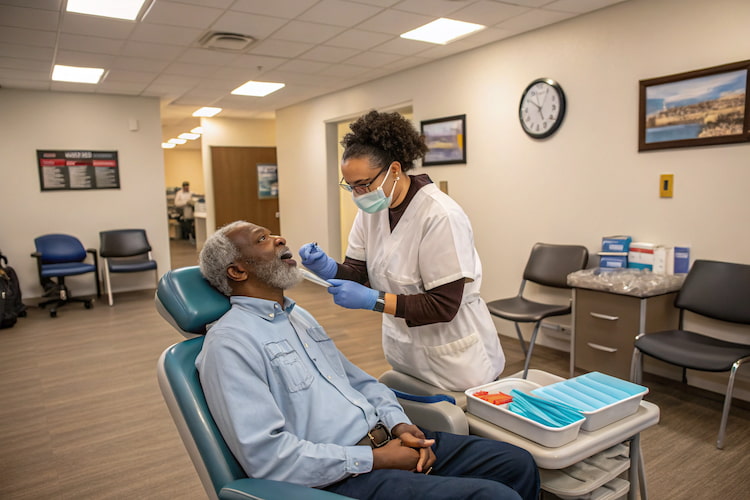
Saving Time and Preventing Complications
Time matters in dentistry. One of the overlooked benefits of visiting an emergency dentist is how much time and trouble it can save in the long run. Instead of multiple visits or waiting days for a regular appointment, emergency dental care provides a solution, often in just one session.
More importantly, early treatment reduces your risk of complications like permanent tooth loss, jawbone infection, or the need for surgical intervention. Acting fast protects both your health and your peace of mind.
Need urgent dental care now?
Don’t wait in pain, our Emergency Dental Office offers immediate appointments, walk-ins, and fast relief for all dental emergencies. Open evenings and weekends!
How Emergency Dentists Can Help with Common Dental Problems
When dental problems strike unexpectedly, emergency dentists are ready to provide fast, effective solutions that relieve pain and protect your teeth from further harm. Here’s how they can help with some of the most common urgent dental issues.
Repairing Broken or Knocked-Out Teeth
If you’ve chipped, cracked, or lost a tooth due to injury or accident, time is critical. Emergency dentists can often save or repair the tooth right away, using bonding, crowns, or re-implantation techniques, helping you avoid permanent tooth loss and restore your smile quickly.
Treating Severe Toothaches or Infections
A deep, throbbing toothache can signal serious problems like nerve damage or an abscess. Emergency dentists can diagnose the cause and begin treatment immediately, such as prescribing antibiotics, draining infections, or starting a root canal, stopping pain, and preventing it from spreading.
Handling Lost Fillings or Crowns
When a filling or crown falls out, it exposes the sensitive inner part of your tooth, leaving it vulnerable to pain, decay, and further damage. Emergency dentists can reseal the area or place a temporary fix to protect your tooth until a full restoration can be completed.
For official guidance on what constitutes a dental emergency and how to handle urgent dental care, check out the American Dental Association’s detailed resource.
How Emergency Dentists Differ from Regular Dentists
Regular dentists typically focus on preventative and routine care, checkups, cleanings, and scheduled treatments. Emergency dentists, on the other hand, are prepared to handle sudden, serious dental issues that need fast action. Here’s a table comparing regular dentists with emergency dentists:
| What They Do | Regular Dentists | Emergency Dentists |
|---|---|---|
| Main Focus | Regular checkups and cleanings | Fix urgent and sudden dental problems |
| Appointments | Booked in advance | Walk-in and same-day visits |
| Tools and Training | Routine dental care | Handle pain and serious issues |
| Biggest Benefit | Keep your teeth healthy over time | Help you quickly in an emergency |
Emergency dentists often offer flexible hours, walk-in appointments, and same-day procedures. They also have the tools and training to manage pain quickly and treat issues that would otherwise become serious complications. That’s one of the key benefits of visiting an emergency dentist: you get immediate attention without waiting days or weeks.
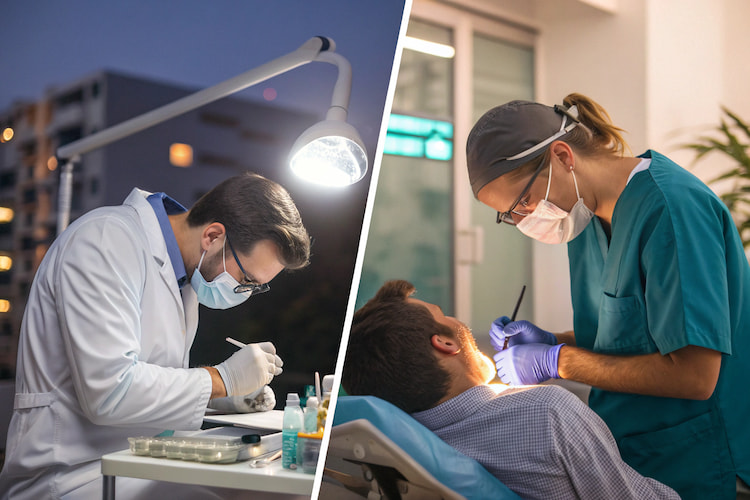
When Should You Visit an Emergency Dentist?
Not every dental issue needs urgent care, but some do. Knowing when to visit an emergency dentist can help you act quickly, avoid complications, and protect your smile from lasting damage.
Common Types of Dental Emergencies
Dental emergencies can come in many forms, but some of the most common ones include:
- Severe toothaches that interfere with eating, sleeping, or speaking
- Broken or cracked teeth, especially when the inner layers are exposed
- Knocked-out teeth due to trauma
- Swelling, abscesses, or infections that cause facial pain or fever
- Uncontrolled bleeding after an injury or oral surgery
- Lost fillings or crowns that leave a tooth exposed and sensitive
Each of these issues can worsen quickly if left untreated, which is why immediate dental care is so important.
Signs of a Dental Emergency
Some symptoms are your body’s way of warning you that something serious is happening. If you’re experiencing severe pain, swelling, bleeding, or a loose or knocked-out tooth, these are strong signs that you need to see an emergency dentist right away.
Common Scenarios Requiring Immediate Attention
Dental emergencies can happen unexpectedly, from biting down on something too hard to getting hit in the mouth. Whether you’ve lost a crown, cracked a tooth, or are dealing with a painful abscess, these scenarios require urgent dental care to prevent bigger problems.
What to Expect During an Emergency Dental Visit
Emergency dental visits are designed to be fast, focused, and effective. Your dentist will quickly diagnose the issue, relieve your pain, and either treat it on the spot or provide a temporary fix until a full procedure can be done. The goal is simple: get you out of pain and protect your oral health.
Conclusion
Dental emergencies can be sudden, painful, and stressful, but you don’t have to face them alone. The benefits of visiting an emergency dentist include fast pain relief, effective treatment, and a better chance of saving your teeth and avoiding complications.
So next time you feel that sharp jolt or see a broken tooth in the mirror, don’t wait for a routine appointment. Call an emergency dentist and get the care you need, when you need it most.
FAQs
-
What qualifies as a dental emergency?
Any situation involving severe pain, bleeding, swelling, or a knocked-out tooth is a dental emergency. If you’re unsure, call your dentist; it’s always better to get checked.
-
How fast can an emergency dentist see me?
Most emergency dentists offer same-day service or even immediate care, especially if you call during business hours or early in the day.
-
Is it worth visiting an emergency dentist instead of waiting for a regular appointment?
Yes. Waiting can lead to complications, increased pain, and more expensive treatments. Emergency dentists help you address the issue before it worsens.
-
What will an emergency dentist do for a toothache?
They’ll diagnose the source, offer pain relief, and begin treatment, whether that’s a filling, antibiotics, or a root canal.
-
Can an emergency dentist help with a broken tooth?
Absolutely. Emergency dentists can stabilize, repair, or even re-implant a broken or knocked-out tooth, often preventing permanent damage.
Have you ever faced a dental emergency?
Share your experience or ask us anything about emergency dental care in the comments below.
We’re here to help!