
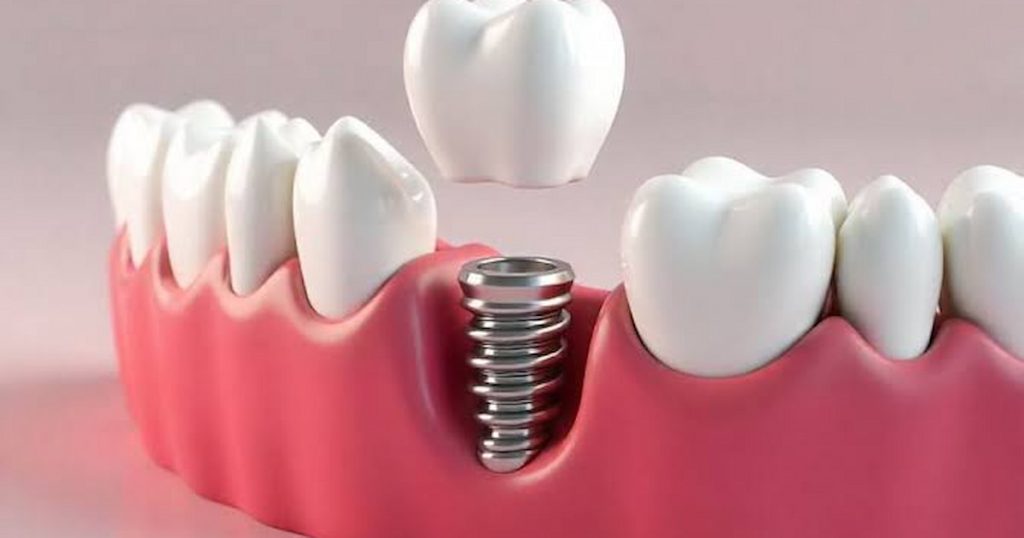
As an emergency dentist, one of the most common concerns we hear after dental implant surgery is, “How do I know if what I’m experiencing is normal?” This is an important question because while dental implants have a high success rate, healing does not look the same for every patient.
Some discomfort, swelling, and mild bleeding are expected after implant placement. These symptoms are part of the body’s natural healing response. However, severe pain, worsening swelling, signs of infection, or implant mobility are not considered normal and should be assessed as soon as possible.
What Is Considered Normal After Dental Implant Surgery?
Before discussing complications, it is important to understand what typically occurs during the healing process. Dental implants require time to integrate with the jawbone through a process called osseointegration.
| Symptom | What Is Normal | When to Call a Dentist |
|---|---|---|
| Pain | Mild to moderate discomfort for a few days after surgery | Pain becomes severe or gets worse instead of better |
| Swelling | Swelling around the gums, cheek, or jaw for several days | Swelling continues to increase or is accompanied by fever |
| Bleeding | Small amounts of bleeding during the first 24 hours | Heavy bleeding or bleeding that does not stop |
| Bruising | Mild bruising around the implant area that fades over time | Bruising becomes severe or is linked to significant pain |
| Tenderness | Sensitivity around the implant site during healing | Tenderness persists for weeks or worsens unexpectedly |
Mild Pain and Tenderness
Some discomfort is expected after surgery. The implant site, surrounding gums, and nearby jawbone may feel sore for several days. Pain often peaks within the first 48 hours before gradually decreasing.
Read our guide on preparing for oral surgery to understand important pre-treatment instructions, recovery expectations, and ways to support a smoother healing process after dental implant surgery.
Swelling Around the Surgical Area
Swelling is a natural inflammatory response. It may affect the gums, cheek, or jaw near the implant site and often reaches its peak within 2 to 3 days after surgery.
Minor Bleeding
Light gum bleeding or blood-tinged saliva during the first day is generally expected. The amount should gradually decrease as healing progresses.
Bruising of the Gums or Face
Some patients develop bruising around the cheeks or gums. This is usually temporary and fades over the following week.
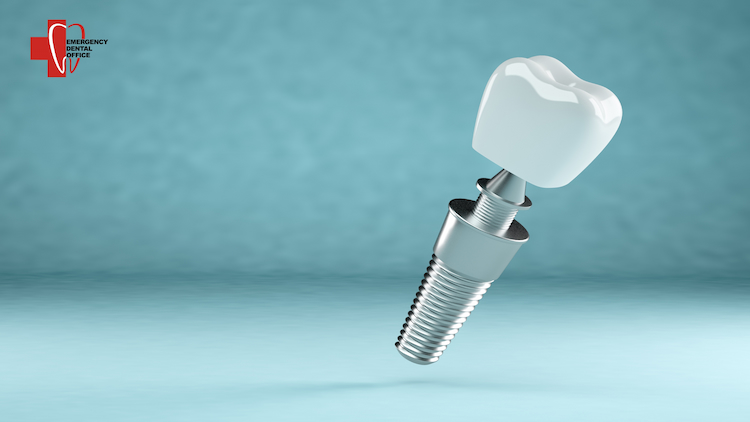
Common Problems After Dental Implant Surgery
Although many patients recover without difficulty from dental implant surgery, complications can occur during healing.
Infection Around the Implant Site
Infection is one of the most significant complications after implant placement. Bacteria can enter the surgical site and affect both the surrounding gum tissue and supporting bone.
Symptoms may include persistent pain, swelling, redness, pus, bad taste, or bad breath. If left untreated, tooth infection can threaten implant stability.
Persistent Pain
Pain that continues beyond the expected recovery period deserves attention. While discomfort generally improves each day, ongoing tooth pain may indicate infection, nerve irritation, excessive pressure on the implant, or problems with healing.
Read our guide on what to do in a dental emergency for practical first aid steps and advice on when immediate dental treatment is necessary.
Excessive Bleeding
Heavy bleeding is not typical after dental implant surgery. Persistent bleeding may result from trauma to the surgical site, clotting concerns, or irritation caused by certain foods and activities.
Loose Dental Implant
An implant should remain stable during healing. Any sensation of movement should be assessed promptly. Implant mobility may indicate failed osseointegration or loss of supporting bone.
Gum Recession Around the Implant
The gum tissue surrounding an implant plays an important role in protecting the underlying structures. When gums recede, more of the implant surface may become visible. This can increase the risk of bacterial accumulation and inflammation.
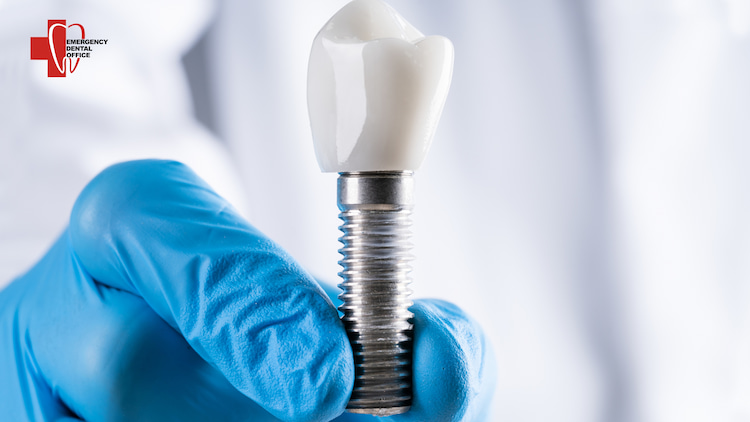
Delayed Healing
Some patients heal more slowly than expected. Factors such as smoking, diabetes, poor oral hygiene, and inadequate bone quality can affect recovery.
Numbness or Tingling
Temporary numbness may occur after surgery, especially if local anesthesia was used. Persistent numbness, tingling, or altered sensation may suggest nerve involvement and should be evaluated.
Sinus Complications
Upper dental implants are positioned near the maxillary sinus. In rare situations, patients may experience sinus pressure, congestion, discomfort, or communication between the sinus and oral cavity.
Request an Oral Surgery Consult in North York.
Why Dental Implant Complications Happen
Most complications have identifiable causes.
- Failed Osseointegration: If this process does not occur successfully, the implant may become unstable.
- Smoking: Smoking reduces blood flow to healing tissues and increases the risk of infection. Research consistently shows higher implant failure rates among smokers.
- Gum Disease: Active periodontal disease can damage the tissues supporting the implant. Healthy gums are important both before and after implant placement.
- Poor Oral Hygiene: Plaque accumulation around an implant can lead to inflammation and peri-implantitis. Regular cleaning remains essential after implant treatment.
- Uncontrolled Medical Conditions: Conditions such as uncontrolled diabetes can affect healing and increase susceptibility to infection.
- Teeth Grinding: Excessive biting forces may place stress on a healing implant. Patients who grind their teeth may require additional protective measures.
For practical daily habits that help protect your teeth and gums, read our guide on tips to maintain good oral hygiene.
Dental Implants in North York!
A no-pressure first step. At Emergency Dental Office, we’ll assess your mouth, answer every question, and give you a clear plan and exact quote, at no cost.
Common Problems After Dental Implant Surgery Deserve Prompt Attention
I, Dr. Alireza Kamali, as an emergency dentist, often see patients who delayed seeking care because they assumed worsening symptoms were part of normal recovery. While mild discomfort is expected after implant placement, increasing pain, swelling, infection, or implant movement should not be ignored.
If you notice concerning symptoms after dental implant surgery, an examination can help determine the cause and identify appropriate treatment. Emergency Dental Office provides care for dental implant complications, dental infections, severe tooth pain, dental abscesses, broken teeth, emergency tooth extractions, root canal treatment, and other urgent dental concerns.
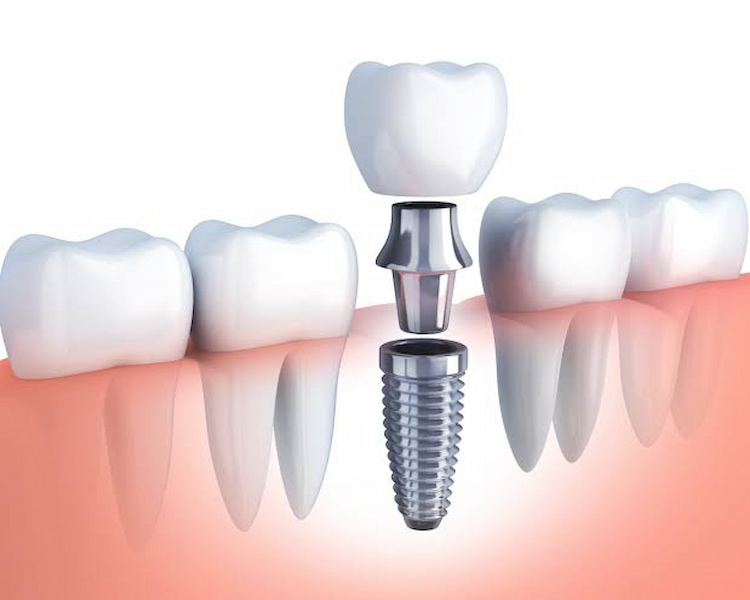
Support Your Recovery After Dental Implant Surgery
Problems after dental implant surgery can become more serious when symptoms are ignored or treatment is delayed. At Emergency Dental Office, we provide urgent dental care for patients experiencing persistent pain, swelling, bleeding, implant mobility, signs of infection, or other complications following dental implant placement.
The goal is to identify the source of the problem and recommend appropriate treatment to protect the implant, surrounding gum tissue, and supporting bone.
If you notice worsening pain, increased swelling, a loose implant, pus around the implant site, or other concerning symptoms after dental implant surgery, contacting an emergency dental office promptly can help address the issue and reduce the risk of further complications.
Have you experienced swelling, pain, or another concern after dental implant surgery?
Share your question in the comments below.
