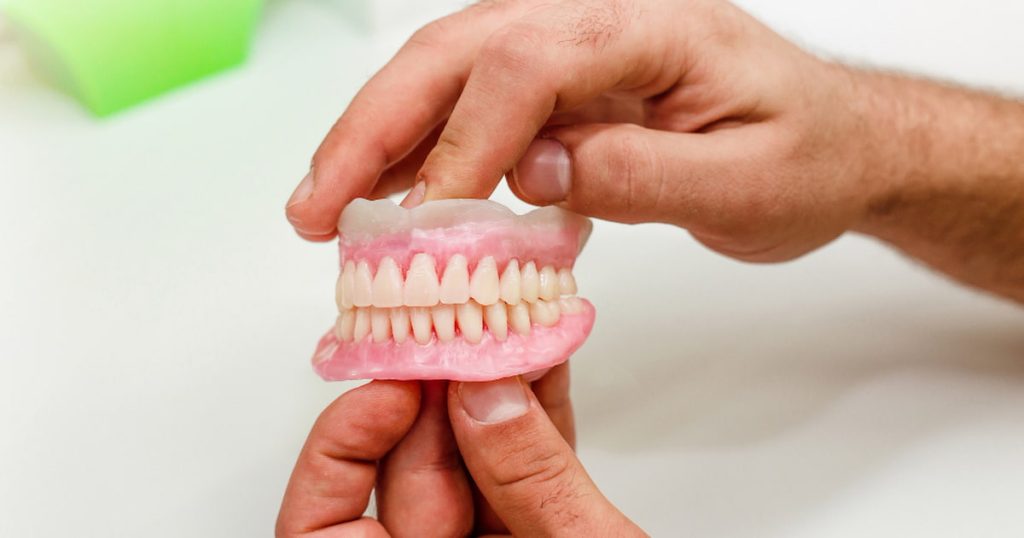
Denture sores are painful areas that develop on the gums when dentures press too tightly, rub repeatedly, or do not fit correctly. If you are trying to understand what denture sores look like, they usually begin as mild redness or sensitivity but can progress into visible ulcers, swelling, and even infection if not treated early.
In many patients wearing dentures, these sores appear where the denture touches the soft tissue the most. Early identification is important because untreated sores may lead to conditions such as denture stomatitis or deeper gum irritation that requires professional care.
What denture sores look like in real patients
Understanding what denture sores look like helps patients act early before pain becomes severe. These sores do not always look the same in every person, but they follow a predictable pattern of progression.
Early-stage denture irritation
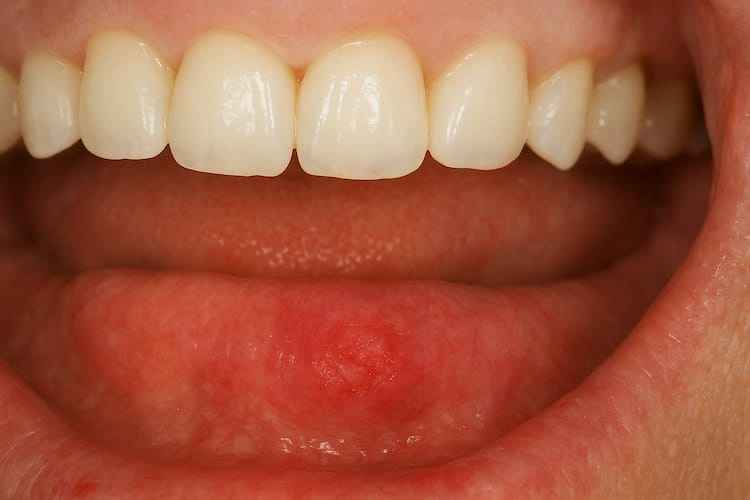
At the beginning, denture sores often appear as light red patches on the gums. The area may feel tender when dentures are worn, especially during chewing or speaking. At this stage, there is no open wound, but the tissue is already inflamed due to pressure or friction from Dentures.
Are you considering whether full tooth removal is needed before getting dentures, or how that process actually works? You can learn more at Full-Mouth Extraction and Dentures.
Moderate stage inflammation and sensitivity
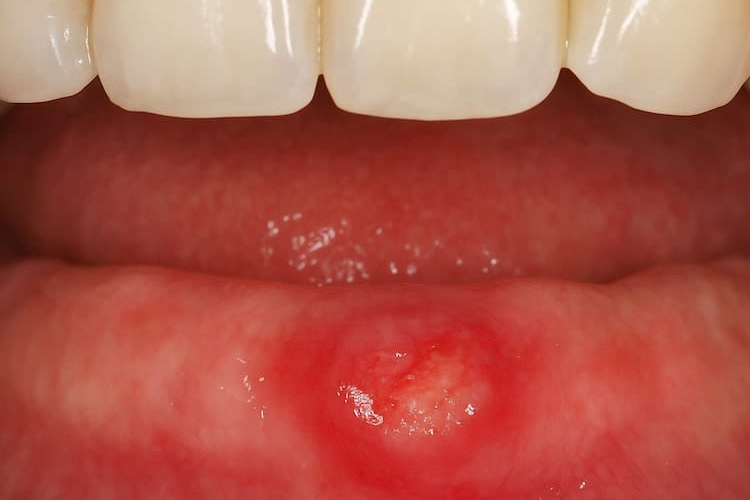
As irritation continues, redness becomes more visible and may spread slightly beyond the original pressure point. Patients often describe a burning sensation or discomfort that lasts even after removing dentures. This stage is often mistaken for minor gum sensitivity but is actually early tissue breakdown.
Advanced denture sores with ulcer formation
If pressure continues, the gum tissue may break down and form small open sores. These areas can bleed slightly and become painful even without wearing dentures. At this stage, a professional dental evaluation is necessary to prevent infection or worsening tissue damage.
Infection-related denture sores
In some cases, sores become associated with fungal or bacterial overgrowth. This may include white patches or persistent redness on the palate. A common related condition is oral candidiasis, caused by Candida albicans, which often develops under poorly cleaned or ill-fitting dentures.
Common reasons denture sores develop
Denture sores do not appear randomly. They usually have a mechanical or biological cause that can be identified during a dental examination.
Poor denture fit and pressure points
When dentures are not shaped correctly, they apply uneven pressure on gum tissue. Over time, this constant force leads to irritation and soreness.
Continuous rubbing during daily use
Even well-fitted dentures can cause friction if the gums change shape over time. This repeated movement slowly damages the soft tissue.
Curious about what to expect when you first start wearing dentures and how they may affect your gums? Read this guide on Getting New Dentures.
Oral tissue sensitivity changes
Gums naturally change with age and bone structure. These changes can make previously comfortable dentures begin to cause pressure sores.
Microbial imbalance under dentures
Warm and moist conditions under dentures can allow bacteria or fungi to grow, increasing the risk of inflammation and soreness.
Symptoms that should not be ignored
Recognizing symptoms early helps prevent complications and reduces healing time:
- Persistent dental pain or burning: Pain that continues even after removing dentures is a warning sign that tissue is inflamed or damaged.
- Visible red or white patches: These patches often indicate irritation or early infection and should be checked by a dentist if they do not improve quickly.
- Bleeding gums or open sores: Bleeding areas suggest that the gum tissue has broken down and requires immediate professional care.
- Difficulty wearing dentures comfortably: If dentures suddenly feel tight or painful, it usually means that pressure points have developed on the gums.
If your dentures are causing discomfort or you’re struggling with ongoing dental pain, you can find helpful guidance on how to manage dental pain and the benefits of local dental care near you.
Call Now or Book an Appointment for Immediate Relief!
Visit Emergency Dental Office in North York near Yonge & Sheppard If your dentures are causing pain, redness, or ulcers, early treatment can prevent serious complications. Our North York clinic offers same day emergency dental care.
Clinically approved treatment options for denture sores
Treatment focuses on removing pressure, healing tissue, and restoring proper denture fit.
- Denture adjustment by a dentist: A dentist carefully modifies the denture surface to remove pressure points and improve comfort.
- Soft reline for better cushioning: A soft liner is added inside the denture to reduce friction and protect sensitive gum tissue.
- Medical treatment for infection-related cases: If infection is present, dentists may prescribe antifungal medication to control microbial growth.
In some cases, when dentures, adjustments, or conservative treatments are no longer effective, surgical intervention may be recommended to properly address underlying dental or gum issues.

What happens if denture sores are ignored
Ignoring denture sores can lead to worsening pain, deeper ulcers, and chronic inflammation. In severe cases, patients may develop ongoing conditions such as denture stomatitis, which can affect eating, speaking, and overall oral health.
Please remember that the information in this guide is provided for educational purposes only. Every patient’s oral health is unique, and denture-related irritation or sores can only be accurately diagnosed through a professional dental examination.
If you are checking your eligibility or waiting for approval through the Canadian Dental Care Plan, you can also learn how to track your CDCP application online and understand what each update means.
Why patients in North York choose our clinic
At Emergency Dental Office, patients are treated by Dr. Najmeh Alishavandi, a general and family dentist with over 10 years of clinical experience providing comprehensive dental care. She holds a Doctor of Dental Surgery (DDS) degree and continues to advance her skills through ongoing education in modern dental techniques and evidence-based dentistry.
Patients choose our clinic because we offer:
- Same-day urgent dental care for pain, swelling, and dental emergencies
- Professional evaluation and treatment of denture-related discomfort
- Evidence-based dentistry with a focus on long-term oral health outcomes
- Careful management of severe pain, infection, or bleeding cases with priority access
Patients experiencing urgent dental problems are prioritized to ensure fast relief and prevent further complications.
Relieve Denture Sores with Expert Dental Care in North York
Denture sores often begin as mild redness or irritation but can quickly progress into painful ulcers if the underlying cause is not treated. In most cases, the issue is related to denture fit, pressure points, or inflammation in the gum tissue, which can only be properly diagnosed through a dental examination.
Along with denture adjustments and soft relines, we also offer emergency dental care, tooth extractions, dental fillings, and root canal therapy in North York.
If you are experiencing early irritation or more advanced denture sores, our team is here to help you get fast relief and restore healthy function with trusted dental care.
FAQ
-
What do denture sores usually look like at first?
They usually start as small red areas or mild gum tenderness under the denture.
-
Are denture sores serious?
Most are mild at first, but they can become painful ulcers if not treated.
-
How long do denture sores take to heal?
With proper dental treatment, most improve within a few days to two weeks.
-
Can dentures be worn while having sores?
It depends on severity, but in many cases, resting the gums is recommended.
-
What causes denture sores to come back?
Poor fit, gum changes, or lack of regular denture adjustments.
Have you experienced denture discomfort or sores?
Share your symptoms or questions below, and our dental team will help guide you.