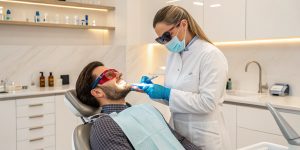
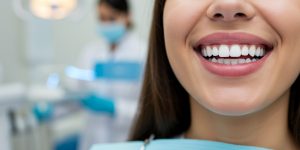
Achieving a brighter smile through at-office teeth whitening is popular for many looking for cosmetic dental improvements. This process quickly makes your teeth whiter in a professional way, but it’s not a guaranteed solution for all. Knowing why at-office teeth whitening might not work is important for anyone thinking about getting it. Here, we explore the benefits of this dental treatment and five key reasons it might not give everyone the desired results.
Top 5 Reasons At-Office Teeth Whitening May Fail
Even though at-office teeth whitening has benefits, it must still be guaranteed to work perfectly. Here are five important reasons why it might not meet your expectations:
| Reason | Explanation |
| Deep-set Stains and Discoloration | Intrinsic stains are harder to remove, even with professional whitening. |
| Restorations and Non-Natural Teeth | Crowns, veneers, and fillings don’t whiten like natural teeth. |
| Different Variations in Tooth Color | Teeth with uneven shades may not whiten uniformly. |
| Pre-existing Dental Conditions | Issues like cavities or gum disease can impact whitening effectiveness. |
| Poor Post-Treatment Care | Smoking or consuming staining foods/drinks can quickly undo whitening results. |
1. Deep-set Stains and Discoloration
Some stains, particularly those caused by medicines, don’t respond to even the strongest whitening treatments. These tough stains deeply set within the tooth’s structure might not react successfully to standard whitening methods, requiring alternative cosmetic solutions such as veneers or dental crowns.
2. Restorations and Non-Natural Teeth
Dental restorations, including fillings, crowns, and bridges, do not whiten like natural tooth enamel. Patients with visible restorations in the front teeth may find that whitening creates a difference in color between their real teeth and the dental work restorations.
3. Different Variations in Tooth Color
Natural tooth color varies significantly from person to person, with some having naturally yellower or grayer shades that do not lighten as effectively. This individual difference can reduce how well whitening treatments work, making it difficult for some to achieve their desired brightness.
4. Pre-existing Dental Conditions
Conditions like gum disease, damaged enamel, and exposed roots can affect the success of whitening treatments. These problems might stop the whitening you want and cause more sensitivity and discomfort during and after the treatment.
5. Poor Post-Treatment Care
How long teeth stay white depends greatly on your diet, oral hygiene, and lifestyle habits. Staining beverages like coffee, tea, red wine, and tobacco can quickly reduce the results. Also, not brushing your teeth well enough can affect how long the whitening lasts for those who can’t or won’t change these habits; keeping the results of in-office whitening can be hard.
Exploring At-Office Teeth Whitening: A Powerful Option for a Brighter Smile
At-office teeth whitening is known for making teeth much whiter in just one appointment. This method uses a strong whitening gel and special lights or lasers to remove tough stains and discoloration. The process offers faster results and includes help and advice from dental experts, ensuring it’s safe and personalized to each person’s needs.
The Benefits of At-Office Teeth Whitening
At-office teeth whitening provides many clear benefits for people wanting to make their smile brighter. Here are some main advantages that make this choice special:
Professional Strength Whitening Gel
The gel used in dental offices is significantly stronger than over-the-counter products, as they let it reach deeper into the tooth enamel to break up stains better. This not only speeds up the whitening process but also ensures lasting results. Additionally, professional treatments often include a customized whitening plan for each person’s needs and their teeth’ sensitivity, making the process work better and more comfortable.
Faster and Better Results
Many patients see noticeable results immediately after treatment, making it a great choice for anyone wanting fast beauty improvements. This immediate enhancement often leads to a significant boost in confidence, as a brighter smile is associated with health and youth. Moreover, its quickness hardly disturbs daily life, fitting into even the busiest schedules.
Supervision and Guidance from a Dentist
The participation of dental professionals ensures the procedure is performed correctly and safely, offering a plan made just for you and handling any sensitivity you might have. Their skill lets them adjust the whitening to fit each person’s needs and preferences, guaranteeing the best results with minimal worry and discomfort. Additionally, dental experts can give tips on keeping teeth white after the treatment, including dietary recommendations and oral hygiene tips to make the whitening last longer. This comprehensive approach enhances the treatment’s effectiveness and helps improve the patient’s overall mouth health.
Factors to Consider Before Choosing At-Office Teeth Whitening
Choosing at-office teeth whitening can significantly enhance your smile, but it’s essential to consider a few factors first. Understanding what influences the success of the treatment makes sure you achieve the desired results and keep your teeth healthy.
Important Considerations for Successful Whitening
Several factors must be considered before choosing at-office teeth whitening to ensure the treatment is suitable and effective. Checking the general health of your teeth and gums is crucial because conditions like gum disease or tooth sensitivity can affect how safe and comfortable a procedure will be. Additionally, understanding the type of discoloration, whether due to external factors like food and drink or internal issues, can help set realistic expectations for the whitening outcomes.
Differences in Response to Treatment
Teeth react differently to whitening procedures based on age, genetics, and their initial color. Younger teeth, for instance, tend to whiten more quickly than older teeth due to the difference in enamel thickness. Moreover, individuals with naturally darker or yellow-toned teeth may require more sessions to achieve their desired whiteness than those with lighter teeth. This highlights the importance of personalized treatment plans in cosmetic dentistry.
Pre-existing Dental Conditions and Sensitivity
Existing dental issues such as cavities, gum disease, or root exposure can influence the success of whitening treatments and increase sensitivity. Therefore, dealing with these oral health issues before getting a whitening treatment is important. It helps ensure the treatment works well and avoids possible pain or harm. Dentists usually perform a detailed examination to identify and treat such conditions, providing a safe and successful whitening experience.
Maintaining Your White Smile: Post-Treatment Care
How long your teeth remain white mainly depends on your daily habits and how well you take care of your teeth after the whitening treatment. Therefore, it’s really important to deal with any oral health issues before having a whitening treatment. This helps ensure the treatment works well and avoids possible pain or harm. Dental professionals usually do a detailed check-up to find and treat these conditions, guaranteeing a safe and successful whitening experience.
Why At-Office Teeth Whitening May Fail: Five Critical Reasons
Even though at-office teeth whitening has benefits, it must still be guaranteed to work perfectly. Here are five important reasons why it might not meet your expectations:
1. Deep-set Stains and Discoloration
Some stains, particularly those caused by medicines, don’t respond to even the strongest whitening treatments. These tough stains deeply set within the tooth’s structure might not react successfully to standard whitening methods, requiring alternative cosmetic solutions such as veneers or dental crowns.
2. Restorations and Non-Natural Teeth
Dental restorations, including fillings, crowns, and bridges, do not whiten like natural tooth enamel. Patients with visible restorations in the front teeth may find that whitening creates a difference in color between their real teeth and the dental work restorations.
3. Different Variations in Tooth Color
Natural tooth color varies significantly from person to person, with some having naturally yellower or grayer shades that do not lighten as effectively. This individual difference can reduce how well whitening treatments work, making it difficult for some to achieve their desired brightness.
4. Pre-existing Dental Conditions
Conditions like gum disease, damaged enamel, and exposed roots can affect the success of whitening treatments. These problems might stop the whitening you want and cause more sensitivity and discomfort during and after the treatment.
5. Poor Post-Treatment Care
How long teeth stay white depends greatly on your diet, oral hygiene, and lifestyle habits. Staining beverages like coffee, tea, red wine, and tobacco can quickly reduce the results. Also, not brushing your teeth well enough can affect how long the whitening lasts for those who can’t or won’t change these habits; keeping the results of in-office whitening can be hard.
Maintaining Your White Smile: Post-Treatment Care
To maintain the results of in-office teeth whitening, patients should stick to a strict dental care routine, avoid staining foods and beverages, and consider additional whitening sessions as their dentist recommends. Regular brushing, flossing, and whitening toothpaste can help maintain the teeth’s brightness. Additionally, minimizing the intake of coffee, tea, red wine, and tobacco products can lengthen the whitening results. Follow-up sessions, as recommended by the dentist, can effectively fight new stains and keep the smile looking bright.
Conclusion
In summary, while at-office teeth whitening offers a quick and professional way to brighten your smile, it’s important to understand that it might not work for everyone. Despite its advantages, such as quick outcomes and personalized care, factors such as persistent stains, differences in tooth color, existing dental issues, and poor post-treatment care can affect the outcome. Keeping the whitening results requires good oral hygiene, avoiding foods and drinks that can stain, and following up with dentist-recommended follow-up appointments. Considering these factors can help you extend the duration of your whitening results. If you’re considering teeth whitening, consult our dentists for personalized advice and follow-up care recommendations.
FAQs
What are the different types of at-office teeth whitening procedures available?
Options range from traditional light-activated systems to modern laser whitening and custom methods using trays. Each of these types of at-office teeth whitening has particular benefits.
How long do the results from at-office teeth whitening typically last?
Results duration can vary, but they typically last from several months to three years. Your lifestyle and oral hygiene play a significant role in its longevity.
What are the potential risks or side effects associated with at-office teeth whitening?
Some people may experience temporary tooth sensitivity or gum irritation, which goes away soon after the procedure.