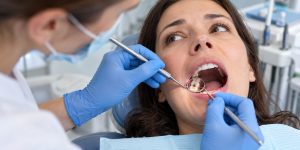
It usually happens in seconds — a fall at the playground, a collision at hockey or soccer, a tumble off a bike. Your child is crying, there is some blood, and a tooth that was fine this morning is now loose, pushed out of place, or in your hand.
What you do in the first hour matters, and the right first move depends on one thing: whether the injured tooth is a baby tooth or a permanent tooth. Those two situations call for almost opposite handling. This guide walks through both, calmly and in order. If you would rather talk it through with someone right away, our team at Emergency Dental Office in Thornhill can see your child the same day — call us at (905) 764-5399. We are open seven days a week: Monday to Friday 10 a.m.–10 p.m., Saturday 3–10 p.m., and Sunday 10 a.m.–8 p.m. When you need an emergency dentist for children, that is exactly the kind of visit we are set up for.
- The first 10 minutes
- Baby tooth or permanent tooth?
- If a permanent tooth is knocked completely out
- What the dentist will check at the visit
- Warning signs in the days after the injury
- Mouthguards: preventing the next injury
- Frequently asked questions
The first 10 minutes: what to do, and what to leave alone
Stay calm and check the basics first. Look for any injury beyond the tooth — a cut lip or cheek, a bump on the head, or bleeding that does not slow down. If your child hit their head hard, seems dazed, vomits, or you cannot control bleeding, seek urgent medical care first (your nearest emergency department or 911) and deal with the tooth once your child is safe.
Control the bleeding. Fold a clean piece of gauze or a clean cloth, place it gently over the injured area, and have your child bite down lightly or hold it in place for 10–15 minutes. A cold compress or ice pack wrapped in a cloth, held against the cheek or lip on and off, helps with both bleeding and swelling.
Find the tooth or any broken pieces — but handle them carefully. If a whole tooth has come out, pick it up by the crown (the white chewing part), never by the root. Keep any fragments in a small container; bring them with you.
Leave a loose tooth alone. Do not wiggle it to “test” it, do not try to push it back into line, and do not try to pull it out the rest of the way. Let your child rinse gently with water if there is dirt or blood in the mouth — no vigorous swishing, no antiseptic.
Comfort measures. An age-appropriate dose of an over-the-counter children’s pain reliever, given exactly as the package directs, can help. Do not place aspirin or any medication directly against the gum or tooth — that can burn the tissue.
Baby tooth or permanent tooth? The right move is different for each
Not sure which kind of tooth it is? As a rough guide, children usually have only baby teeth before age 6; between roughly ages 6 and 12 the mouth is a mix, and the front permanent teeth come in early in that window. If you cannot tell, treat the situation as urgent and let the dentist identify the tooth — that is part of what the visit is for.
A baby tooth that is knocked loose or knocked out
Never put a baby tooth back in. This is the single most important rule on this page. Reinserting a baby tooth can damage the permanent tooth developing underneath it in the jaw. If a baby tooth has come out completely, do not try to replant it — control the bleeding with gauze as above, keep your child comfortable, and call a dentist.
A loose baby tooth that is still in place should also be left alone: no wiggling, no twisting, and soft foods so it is not stressed while you arrange care. A knocked-out or injured baby tooth still deserves a prompt dental visit — ideally the same day — because the dentist needs to check that the developing permanent tooth underneath was not harmed and that no fragment of root was left behind. Bring the tooth with you if you have it; showing what came out helps the dentist judge whether it came out whole.
A permanent tooth that is loose but still in place
A loosened permanent tooth that has not come out is a same-day dental emergency. The tooth and the ligament holding it have been injured, and the sooner it is assessed, the better the chance of it settling and healing in place — although no outcome can be promised, and some loosened teeth need treatment such as a flexible splint to heal well.
Until you are seen: do not wiggle the tooth, have your child avoid biting on it entirely, stick to soft foods, and keep the area clean with gentle rinsing. Call us at (905) 764-5399 as soon as the injury happens — a same-day emergency visit is the right next step, not waiting to see how it feels tomorrow.
If a permanent tooth is knocked completely out
A permanent tooth that is fully out of its socket is a different, more time-critical emergency than a loosened tooth, and the first steps are different too — minutes genuinely matter. We cover that scenario in full in our guide to a knocked-out tooth, including how to hold and transport the tooth. The short version: pick it up by the crown only, and get to a dentist immediately. Do not apply the steps in that guide to a baby tooth — as explained above, a baby tooth should never be put back.
What the dentist will check at the visit
Knowing what to expect helps children stay calm. At an emergency visit for a knocked-loose tooth, the dentist will usually:
- Ask how it happened and when — the mechanism and timing of the injury guide what to look for;
- Examine the tooth’s movement gently — how loose it is, and whether it has been pushed up, down, or sideways out of its normal position;
- Check the bite — whether the teeth still come together the way they did before;
- Take an X-ray to see the root and the bone around it, and — for a baby tooth — to check the position of the developing permanent tooth underneath;
- Check neighbouring teeth and the soft tissues for cuts, embedded fragments, or a second injured tooth that is not obvious.
Depending on what the examination and X-ray show, treatment may simply be careful monitoring with a follow-up plan, or the dentist may stabilise a loosened permanent tooth with a flexible splint for a period while it heals, adjust the bite so the tooth is not being hit, or treat cuts and prescribe medication if there are signs of infection. Some injuries need no treatment beyond observation; others need more. Your child’s dentist will explain what they found and what they recommend before anything is done, and will tell you honestly if a tooth’s long-term outlook is uncertain.
Warning signs in the days after the injury
Most dental injuries settle, but a tooth that looked fine on the day can develop problems later — which is why follow-up matters even when your child seems comfortable. Call your dentist promptly if you notice any of the following in the days or weeks after the injury:
- Pain that returns, gets worse, or wakes your child at night;
- The tooth changing colour — turning grey, dark, or pinkish;
- Swelling of the gum or face, or a small pimple-like bump appearing on the gum near the tooth;
- Fever, or your child seeming unwell;
- The tooth becoming looser again after it had felt stable, or the bite feeling different;
- A bad taste, or your child refusing to chew on that side.
These can be signs that the nerve inside the tooth was damaged by the injury or that an infection is developing — both are reasons to be seen again rather than waited out. Keep any follow-up appointment you are given, even if everything looks fine: some complications only show up on an X-ray. For general guidance on children’s dental injuries, the Ontario Dental Association and the Canadian Dental Association publish parent resources, and SickKids’ AboutKidsHealth covers dental injuries in children in plain language. If you are ever unsure whether a symptom can wait, call us at (905) 764-5399 and describe what you are seeing — that is what the contact line is for. Parents can also review the injury guidance from their dentist and the Royal College of Dental Surgeons of Ontario, which regulates dental care in Ontario.
Mouthguards: preventing the next injury
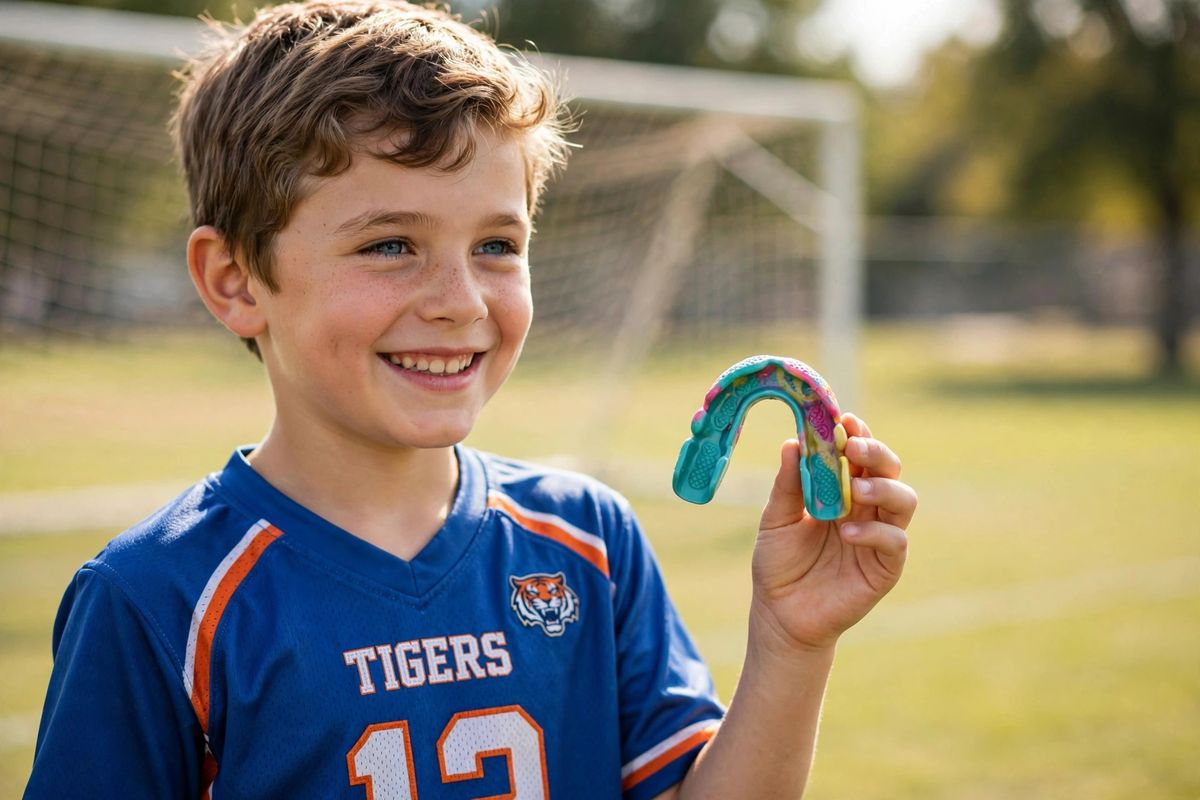
A large share of children’s dental injuries happen in sports — hockey, soccer, basketball, martial arts, skateboarding, and cycling among them. A properly fitted mouthguard cushions a blow to the face and can be the difference between a scare and a dental emergency. If your child plays a contact or fall-prone sport, ask their dentist about a mouthguard at their next visit: a guard that fits well is one a child will actually wear. Replace it as your child grows and if it becomes worn or loose, and bring it to dental appointments so the fit can be checked. Helmets and face protection appropriate to the sport matter too.
Accidents still happen to careful families. If one does, remember the two rules that matter most: never put a baby tooth back in, and get a loosened permanent tooth assessed the same day. Emergency Dental Office is at 7241 Bathurst St in Thornhill, open seven days a week including evenings — call (905) 764-5399 and we will guide you from there.
Frequently asked questions
My child knocked out a baby tooth. Should I put it back in?
No — never replant a baby tooth. Putting it back can damage the permanent tooth developing underneath it in the jaw. Control any bleeding with gauze and a cold compress, keep the tooth you found (bringing it along helps the dentist), and arrange a dental visit the same day so the dentist can check the area and the developing tooth underneath.
The tooth is only loose, not out. Is that still an emergency?
For a permanent tooth, yes — treat it as a same-day emergency. A loosened permanent tooth may need to be stabilised to heal well, and the sooner it is assessed, the better its chances. For a baby tooth, it is less urgent but should still be checked promptly, ideally the same day, to make sure the permanent tooth underneath was not affected.
My child is in pain, but I can’t see any damage. Should we still come in?
Yes. An injury can crack a root, bruise the ligament that holds the tooth, or damage the nerve without anything being obvious in the mirror. Pain after a blow to the mouth is a reason to be examined and, if needed, X-rayed — some problems are only visible on an image.
Will a knocked-loose baby tooth affect the adult tooth underneath?
It can, which is why injured baby teeth are checked rather than dismissed. The permanent tooth is developing in the jaw beneath the baby tooth, and a hard injury can disturb it. Many children come through with no effect at all, but only an examination and X-ray can assess the risk, and follow-up lets the dentist monitor the adult tooth as it develops.
What should I do if my child is bleeding and it won’t stop?
Apply firm, steady pressure with clean gauze for 10–15 minutes without repeatedly lifting it to check. If bleeding continues heavily after that, or your child has other injuries — a head injury, possible broken jaw, trouble breathing, or signs of concussion — go to your nearest emergency department or call 911. Dental care comes after your child is medically safe.
Can a loosened permanent tooth tighten up again on its own?
Sometimes a mildly loosened tooth settles with rest and soft foods, but there is no way to tell at home whether it will. Some loosened teeth need a flexible splint to heal in the right position, and some have hidden root or nerve damage. That is why a same-day assessment matters — it is the examination findings, not the degree of looseness alone, that decide what is needed.
How soon after the injury should my child be seen?
The same day for any loosened or displaced permanent tooth, a knocked-out baby tooth, or any injury with pain, bleeding, or a tooth that has changed position. A small chip with no pain and no looseness can usually wait until the next business day — but if you are unsure, call and describe it; we would rather advise you than have you guess.
Should my child wear a mouthguard for sports?
If your child plays a sport with contact, falls, or flying equipment, a mouthguard is strongly worthwhile — dental injuries are among the most common sports injuries in children. Ask the dentist about fit at a regular visit, and replace the mouthguard as your child grows. The Ontario Dental Association and the Canadian Dental Association both publish guidance on mouthguards and dental injury prevention, and the International Association of Dental Traumatology’s Dental Trauma Guide shows how dentists assess and treat these injuries.