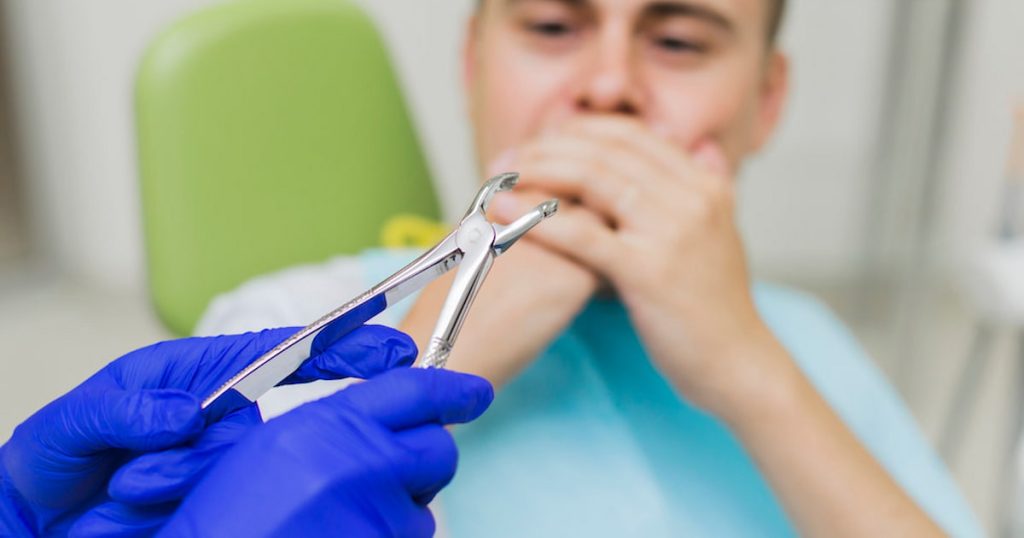
Tooth extraction recovery varies from person to person, but you can support normal healing by protecting the blood clot, following your dentist’s aftercare instructions, avoiding unnecessary irritation, and watching for symptoms that may need professional attention.
Recovery varies depending on the tooth, the complexity of the tooth extraction, your general health, smoking or tobacco use, and other individual factors. The most important goal is steady improvement rather than meeting a fixed recovery deadline.
- Follow the aftercare instructions provided for your specific extraction.
- Protect the extraction site and avoid deliberately disturbing the blood clot.
- Choose foods that are comfortable to eat and do not irritate the surgical area.
- Maintain oral hygiene while being gentle around the extraction site.
- Rest and avoid strenuous activity for the period recommended by your dentist or surgeon.
1. Follow Your Tooth Extraction Aftercare Instructions
The first stage of recovery focuses on protecting the extraction site while a blood clot forms and the tissues begin to heal. Aftercare can differ depending on whether the extraction was straightforward or surgical, so the instructions provided by your own dentist should take priority over general advice.
| Aftercare Principle | Why It Matters |
| Protect the extraction site | Avoid touching, picking at, or deliberately disturbing the socket while early healing takes place. |
| Follow medication instructions | Use prescribed or recommended medication only as directed. Contact your dentist, physician, or pharmacist if you are unsure what is appropriate for you. |
| Rest after the procedure | Reducing strenuous activity during the early recovery period can help avoid unnecessary bleeding or irritation. |
Concerned About Your Recovery After an Extraction?
If pain, swelling, bleeding, drainage, or other symptoms are getting worse instead of improving, contact Emergency Dental Office for an assessment of the extraction site.
2. Choose Foods That Are Comfortable to Eat
Food choices during the early recovery period should help you avoid unnecessary pressure or irritation around the extraction site. Many patients find softer foods easier to manage while the area is tender.

Soft Food Options
- Mashed potatoes
- Applesauce
- Yogurt
- Soft or blended soups that are not excessively hot
- Smooth foods or drinks consumed without using a straw
- Scrambled eggs
Choose foods according to what is comfortable for you and the instructions provided after your procedure. You can also review our guide to soft foods after wisdom tooth extraction.

Foods That May Irritate the Extraction Site
During the early healing period, hard, sharp, sticky, or very hot foods may be uncomfortable or may irritate the extraction site. Follow your dentist’s instructions about when to return to your normal diet.
Stay Hydrated
Drink enough fluids to stay hydrated during recovery. Avoid using a straw during the period specified by your dental team because suction can disturb the healing site. Follow any instructions you were given about alcohol or other beverages after the procedure.
3. Keep Your Mouth Clean Without Disturbing the Socket
Oral hygiene remains important after an extraction, but the surgical area needs to be treated gently. Vigorous rinsing, forceful spitting, or probing the socket during early healing can disturb the blood clot.
| Oral-Care Principle | General Guidance |
| Brushing | Continue keeping the rest of your mouth clean while being gentle around the extraction area and following your dentist’s specific instructions. |
| Rinsing | Avoid vigorous rinsing during the early period. Gentle warm salt-water rinsing may be recommended after the first day, depending on your aftercare plan. |
| Protecting the clot | Avoid forceful spitting, suction, or deliberately touching the socket. |

Dry socket is a specific post-extraction complication involving loss or breakdown of the protective blood clot. It is different from a bacterial infection. Significant or increasing pain several days after an extraction should be assessed by a dentist. :contentReference[oaicite:2]{index=2}
4. Rest and Limit Strenuous Activity
Activity recommendations depend on the type of extraction, how you feel, and the kind of work or exercise you normally do. Rather than using one fixed return-to-work or exercise timeline for everyone, follow the instructions provided for your procedure.
- Rest during the early recovery period.
- Avoid strenuous exercise, heavy lifting, or activity that increases bleeding during the period recommended by your dentist or surgeon.
- Return to work, school, and exercise according to how you are recovering and the complexity of the extraction.
Official post-operative guidance also varies by procedure: some hospital instructions advise avoiding strenuous exercise for at least the first day, while more complex surgery may require additional recovery time. :contentReference[oaicite:3]{index=3}
5. Avoid Smoking and Tobacco During Healing
Smoking and tobacco use can interfere with healing and increase the risk of complications such as dry socket. Follow the specific instructions provided by your dental team about how long to avoid smoking or vaping after your extraction. :contentReference[oaicite:4]{index=4}
6. Take Medication Only as Directed
If pain medication, antibiotics, or another medication has been prescribed or recommended for you, use it according to the instructions provided. Do not change the dose, duration, or restart leftover medication on your own.
Antibiotics are not routinely required after every tooth extraction. They may be used when there is a bacterial infection or another clinical indication. Learn more in our guide to antibiotics after tooth extraction.
7. Know When Recovery Should Be Checked by a Dentist
The overall trend after an extraction should be toward improvement. Contact your dentist if symptoms are getting worse, returning after they had started improving, or otherwise concern you.
- Severe or increasing pain
- Increasing or spreading swelling
- Pus, persistent drainage, or a new foul taste or odour
- Fever or feeling generally unwell
- Bleeding that does not stop according to the instructions provided by your dental team
- Persistent or unexpected numbness or altered sensation
- Increasing difficulty opening your mouth
Difficulty breathing or swallowing, or rapidly increasing facial or neck swelling, requires urgent medical assessment.
If swelling is your main concern, see our guide to swollen gums after tooth extraction.
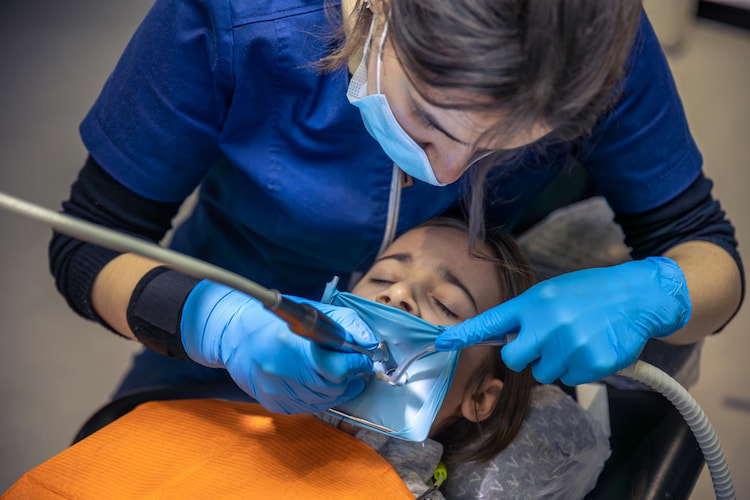
How Long Does Tooth Extraction Recovery Take?
There is no single recovery timeline that applies to every extraction. A straightforward extraction may feel substantially better sooner than a surgical or multiple-tooth extraction, while gum and bone healing continue beyond the point when you feel comfortable returning to normal activities.
Instead of relying on a fixed number of days, monitor whether pain, swelling, bleeding, and function are gradually improving. If recovery is moving in the wrong direction, contact your dentist for an assessment.
You can also read our guide to how long a wisdom tooth extraction socket takes to close.
FAQs
-
How long does it take to recover from a tooth extraction?
There is no single recovery timeline for every extraction. Recovery depends on the tooth, the complexity of the procedure, your health, and individual healing. A straightforward extraction may feel better sooner than a surgical or multiple-tooth extraction, while deeper tissue and bone healing continue for longer.
-
Can I speed up healing after tooth extraction?
You cannot force the extraction site to heal faster, but you can support normal healing by following your dentist’s aftercare instructions, protecting the blood clot, avoiding smoking and unnecessary irritation, maintaining gentle oral hygiene, and resting as advised.
-
What should I avoid after tooth extraction?
Avoid deliberately disturbing the extraction site, vigorous rinsing during the early healing period, smoking or tobacco use, and strenuous activity for the period recommended by your dentist. Follow your specific aftercare instructions because recommendations vary by procedure.
-
Is pain normal after a tooth extraction?
Some pain and tenderness can occur after an extraction. The important pattern is whether symptoms are gradually improving. Severe or increasing pain, especially if it returns after improvement or occurs with swelling, fever, drainage, or other concerning symptoms, should be assessed by a dentist.
-
When can I return to work or exercise after a tooth extraction?
The timing depends on how you feel, the type of work or exercise you do, and how complex the extraction was. Follow the activity instructions provided by your dentist or surgeon rather than using one fixed timeline for every procedure.
-
What are signs that an extraction site is not healing normally?
Contact your dentist if pain or swelling is getting worse instead of improving, you notice pus or persistent drainage, develop fever or feel unwell, have persistent bleeding, or experience another symptom that concerns you. Difficulty breathing or swallowing or rapidly increasing facial or neck swelling requires urgent medical assessment.
Questions about your recovery after a tooth extraction? Contact your dentist for advice based on your procedure, symptoms, and individual medical history.