Wisdom teeth, also called third molars, are the last set of teeth to erupt, usually in your late teens or early twenties. While some people have no issues with them, others experience pain, crowding, or infection. The big question is: should you remove them? In this blog, we’ll explore why wisdom teeth can be problematic, the risks of ignoring them, when tooth extraction is necessary, and whether there are alternatives. Let’s break it down in simple, helpful terms.
The Importance of Removing Wisdom Teeth
Wisdom teeth are evolutionary leftovers from a time when our ancestors needed extra molars to grind raw plants and tough meat. Today, our jaws are smaller, and our diets are softer, which means there’s often not enough space for these extra teeth.
When there’s not enough room, wisdom teeth can:
- Erupt at the wrong angle
- Remain trapped under the gums (impacted wisdom tooth)
- Push against nearby teeth, causing pain and shifting
Removing wisdom teeth isn’t always about reacting to pain; it’s often a preventive measure to protect long-term oral health.

Risks of Not Removing Wisdom Teeth
If your wisdom teeth are not causing any problems now, you might wonder why you should even consider removing them. But not removing them can lead to several serious complications.
1. Impact on Oral Health and Alignment
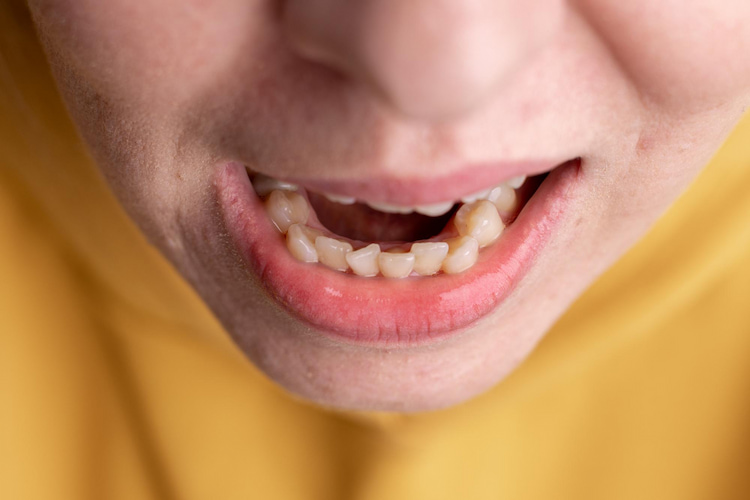
Crowding is one of the most common issues caused by wisdom teeth. As they try to erupt, they can push against adjacent teeth, causing your entire row of teeth to shift. This can undo years of orthodontic work or simply lead to a crooked smile.
Did You Know?
According to a study on ResearchGate, thumb sucking in children can lead to teeth crowing.
Real-Life Example
A patient who had braces for three years found their lower teeth crowding again at age 23, thanks to erupting wisdom teeth. They needed a retainer re-fit and, eventually, wisdom tooth surgery to prevent further shifting.
| Problem | Effect on Oral Health |
| Crowding | Misaligned bite, jaw pain, crooked teeth |
| Pressure | Weakening of nearby tooth roots |
| Misalignment | Can affect chewing and speech |
2. Increased Risk of Infection and Gum Disease
Partially erupted wisdom teeth can create a flap of gum tissue where bacteria love to hide. This hard-to-reach area becomes a breeding ground for infection and inflammation. This condition, known as pericoronitis, can cause:
- Swelling and pain
- Pus discharge
- Difficulty opening your mouth
If left untreated, the infection can spread to your jaw, neck, or even bloodstream, making it a medical emergency.
Contact Us Immediately If You Need Wisdom Tooth Extraction!
Not sure if your wisdom teeth need to come out? Book a consultation at Emergency Dental Office today; we offer same-day assessments and extractions!
3. Tooth Decay and Cavities in Crowded Spaces
Wisdom teeth are located far back in your mouth, making them hard to brush and floss properly. Even if they grow straight, they often trap food and bacteria, leading to cavities in the wisdom teeth, decay in neighboring molars, and chronic bad breath.
In many cases, it’s not the wisdom tooth that hurts first, but the molar right next to it. Once decay spreads, root canal treatment or additional extractions may be required.
Are you considering tooth extraction? Then, this blog will be very helpful for you: How to Speed Up Recovery After Tooth Extraction
When Is It Necessary to Remove Wisdom Teeth?
Dentists usually recommend removing wisdom teeth if:
- They’re impacted (stuck under the gum or bone)
- They’re partially erupted and at risk of infection
- They’re causing crowding
- X-rays show potential damage to nearby teeth or nerves
- They’re decayed or damaged beyond repair
Also, it’s often safer and easier to remove wisdom teeth before age 25. Younger people typically heal faster and have fewer complications during recovery.
Worried about the pain of removing your wisdom teeth? Let’s get to know the options to mitigate the pain of treatment: Types of Sedation for Wisdom Teeth Removal
Alternatives to Wisdom Teeth Removal
In some cases, you might be able to monitor your wisdom teeth rather than remove them. This is usually only recommended when the teeth are fully erupted, there’s enough space in your jaw, or the teeth are healthy and easy to clean. If you choose to keep your wisdom teeth, your dentist may recommend regular X-rays to check for changes, deep cleanings to prevent decay and gum issues, and frequent checkups (every 6 months).
Final Word
While not everyone needs to remove their wisdom teeth, ignoring them can lead to serious oral health problems, from infections to damage to other teeth. Being proactive is the key. The best way to know whether removal is necessary is by consulting a dentist who can evaluate your specific situation with X-rays and an oral exam.
At Emergency Dental Office, we’re here to guide you every step of the way, from evaluation to pain-free removal and smooth recovery. Apart from tooth extraction, our team offers various dental treatments, from dental fillings to oral surgeries.
FAQ
-
What happens if I never remove my wisdom teeth?
If your wisdom teeth are healthy, fully erupted, and easy to clean, you might not need to remove them. However, most people experience issues like pain, crowding, or infection if the teeth remain. Monitoring is essential.
-
Is wisdom teeth removal really necessary?
It depends. If your wisdom teeth are impacted, causing crowding, or at risk of infection or decay, removal is usually necessary. A dentist can determine this through a proper exam and X-rays.
-
Can you live your life without removing your wisdom teeth?
Yes, some people do. But they require regular monitoring to ensure no problems arise. Many people end up needing them removed later in life due to pain or infection.
-
What happens if I don’t remove my badly damaged wisdom teeth?
Leaving decayed or damaged wisdom teeth untreated can lead to serious complications like abscesses, jawbone infections, damage to nearby teeth, and even systemic infections. It’s always safer to remove them early.
We’d love to hear from you in the comments! Share your experience about removing your wisdom teeth or your concerns; we’re here to help.