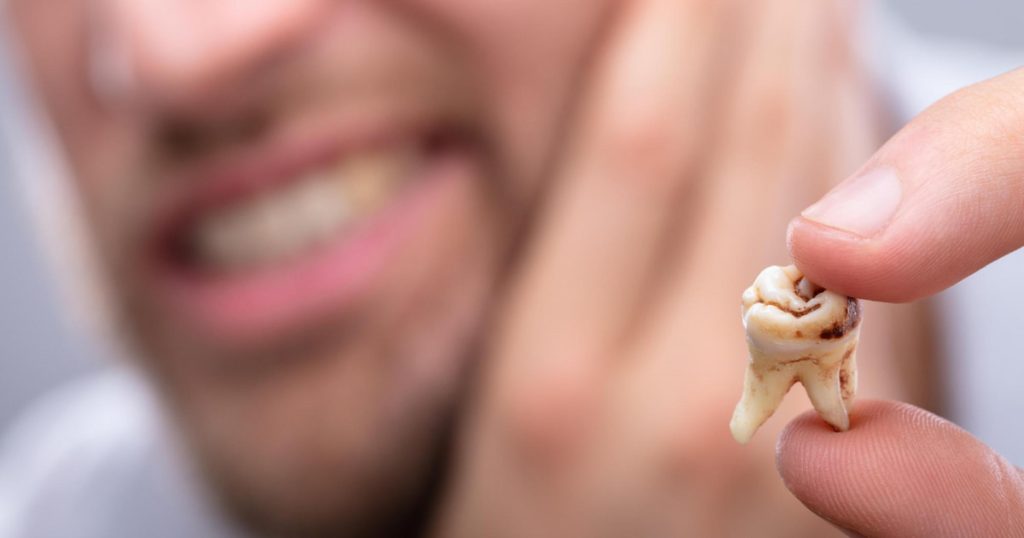
Preventing tooth decay is one of the most important steps in keeping your smile healthy and confident. No one wants to deal with cavities, but avoiding them is easier than you might think. All you need to do is maintain your oral hygiene, use fluoride toothpaste, and regularly visit your dentist for checkups. But did you know diet also affects the chance of tooth decay? Let’s learn more about the ways to avoid tooth decay and protect your teeth for a lifetime. In this guide, we’ll break down everything you need to know about tooth decay, from what causes it to how to prevent it with expert tips. Let’s get started.
Daily Habits to Prevent Tooth Decay
Preventing tooth decay requires a mix of good habits and smart choices every day. From brushing and flossing to keeping an eye on what you eat, small actions add up to long-term protection. Developing a consistent routine is your best defense against cavities.
Brushing and Flossing
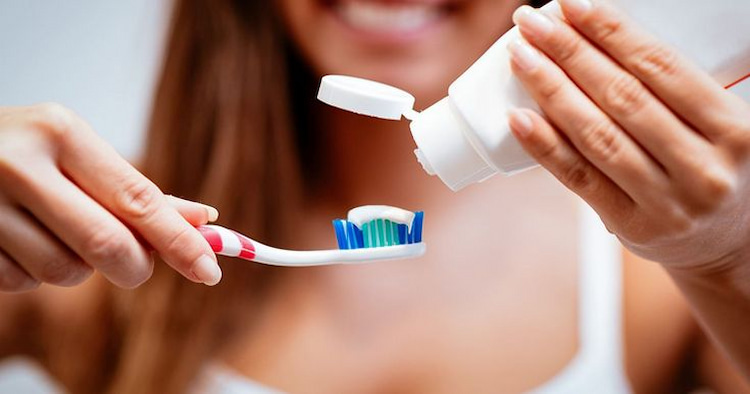
Good oral hygiene starts with brushing twice a day and flossing daily. Brushing removes food particles and plaque from the surface of your teeth, while flossing gets into those tight spaces where a toothbrush can’t reach. Remember to brush gently in circular motions and focus on every corner of your mouth.
Choosing the Right Toothpaste and Mouthwash
Not all toothpaste is created equal. Look for fluoride toothpaste, as fluoride strengthens your enamel and helps with cavity prevention. Pair it with an alcohol-free mouthwash that fights bacteria while being gentle on your gums. Consistency is key, so make these products part of your routine.
Does Diet Cause or Prevent Cavities?
What you eat plays a huge role in oral health. Sugary snacks, sodas, and sticky candies are a direct highway to tooth decay. Instead, opt for crunchy fruits and vegetables, which naturally help with plaque removal, and dairy products like cheese, which protect your enamel. Drinking water instead of sugary drinks can also make a big difference.
Professional Dental Care for Tooth Decay Prevention
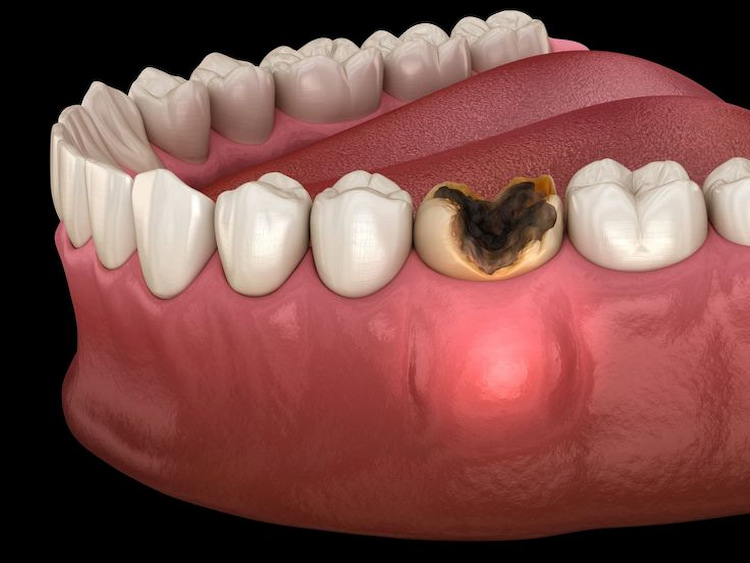
Professional dental care is a critical component of maintaining healthy teeth. While daily habits help, dentists can provide deeper cleanings and preventive treatments that protect against decay in the long term and stop you from ending up with dental fillings.
Why Regular Dental Checkups Are Essential
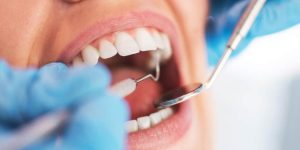
Visiting your dentist every six months isn’t just a suggestion—it’s a necessity. Dental checkups allow your dentist to catch early tooth decay signs before they become major issues. Plus, professional cleanings remove plaque buildup that even the best brushing and flossing can’t handle.
How Fluoride Treatments Can Help
Fluoride treatments are like a protective shield for your teeth. These quick, painless treatments strengthen your enamel, making it more resistant to acid attacks. If your dentist suggests it, don’t skip it; it’s one of the simplest ways to enhance tooth enamel protection.
The Benefits of Dental Sealants
Sealants are a game-changer, especially for kids and teens. These thin coatings are applied to the chewing surfaces of molars to block bacteria and food particles from settling in. Think of them as an extra layer of defense in your cavity prevention plan.
Need Immediate Dental Care?
If you’re dealing with tooth decay or other dental issues, Emergency Dental Office has you covered. Our team offers expert care, from cavity treatment to preventive services like fluoride treatments and sealants. Don’t wait; contact us today to protect your smile!
What Are the Common Mistakes That Lead to Tooth Decay?
One of the biggest mistakes people make is underestimating the importance of flossing. Skipping flossing allows plaque to build up between your teeth, which leads to decay in those hard-to-reach areas. Another common mistake is grazing on sugary snacks throughout the day, which keeps harmful acids in your mouth for longer. Lastly, avoiding dental checkups because “nothing hurts” can lead to undetected issues worsening over time.
Tips for Maintaining Long-Term Oral Health
Maintaining oral health isn’t just about quick fixes; it’s about creating habits that stick. By focusing on consistency, involving your family, and using technology, you can ensure your smile stays healthy for the long term.
Building a Consistent Oral Care Routine
Consistency is everything when it comes to oral care. Brush every morning and night without fail, floss daily, and rinse with mouthwash to round out your routine. Setting reminders or tying your brushing habits to another daily activity can help you stay on track.
Teaching Kids Good Dental Habits Early On
It’s never too early to teach kids about oral hygiene. Show them how to brush properly and make it fun with songs or colorful toothbrushes. Building these habits early sets the foundation for a lifetime of healthy smiles.
Using Technology to Track Oral Health
Leverage technology to make oral care easier. Electric toothbrushes with timers ensure you’re brushing for the full two minutes, while apps can track your dental hygiene habits and send reminders. These tools take the guesswork out of maintaining your routine.
Conclusion
Tooth decay doesn’t have to be a part of life. By practicing good oral hygiene, eating a balanced diet, and seeing your dentist regularly, you can enjoy a healthy smile for years to come. If you’re looking for immediate dental care, reach out to the Emergency Dental Office; we’re here to help when you need us most.
FAQs About Tooth Decay
-
What are the early signs of tooth decay?
Early tooth decay often appears as white spots on your enamel, signaling that minerals are being lost. You might also notice increased sensitivity to hot, cold, or sugary foods.
-
How can I reverse early tooth decay naturally?
Reversing early tooth decay is possible with good oral hygiene and a healthy diet. Fluoride toothpaste and regular dental checkups are your best tools for restoring enamel.
-
What foods should I avoid to prevent cavities?
Avoid sugary and sticky foods like candy, soda, and dried fruits. These foods fuel bacteria in your mouth and speed up enamel damage.
-
Is flossing as important as brushing for preventing decay?
Absolutely! Flossing removes plaque and food particles from areas that your toothbrush can’t reach. It’s just as crucial as brushing in keeping tooth decay at bay.
-
Can tooth decay develop without pain?
Yes, tooth decay can progress silently in its early stages. By the time pain kicks in, the decay may have reached deeper layers of your tooth.