Dental fillings are one of the most common dental procedures, but if you’ve never had one, you might not fully understand what they are or why you need them. A dental filling is a material used to restore a tooth that has been damaged by a cavity. It essentially “fills” the hole in your tooth, helping to preserve its structure and prevent further damage. Let’s dive into everything you need to know about dental fillings, from types and costs to aftercare and what to expect during the procedure.
What Are Dental Fillings and Why Do You Need Them?
Dental fillings are materials used to repair a tooth that has been damaged by decay. When a cavity forms in a tooth, it creates a small hole or weak area that needs to be filled to restore the tooth’s strength and function. Without fillings, cavities can lead to more severe damage, including infections, pain, or even tooth loss. Fillings protect the tooth from further decay and restore its ability to function properly when you chew or bite.
When Are Fillings Needed?
Fillings are necessary when a cavity forms in a tooth. Cavities are usually caused by the gradual breakdown of tooth enamel due to bacteria and sugary foods or drinks. A cavity will first appear as a small hole or crack, which can be caught early by your dentist during a routine check-up. However, if left untreated, cavities can grow larger, leading to pain and possibly more complex dental procedures. Fillings are needed whenever a cavity or damage is detected to prevent the issue from worsening.
Read More: Preventing Tooth Decay: The Best Ways Recommended by Dentists

Types of Dental Fillings and Their Benefits
Choosing the right type of filling depends on a number of factors, including the location of the cavity, your personal preferences, and your budget. There are a variety of materials used in dental fillings, and each has its own set of benefits and drawbacks. Let’s break down the most common types of dental fillings and how they can benefit you.
1. Silver Fillings (Amalgam)
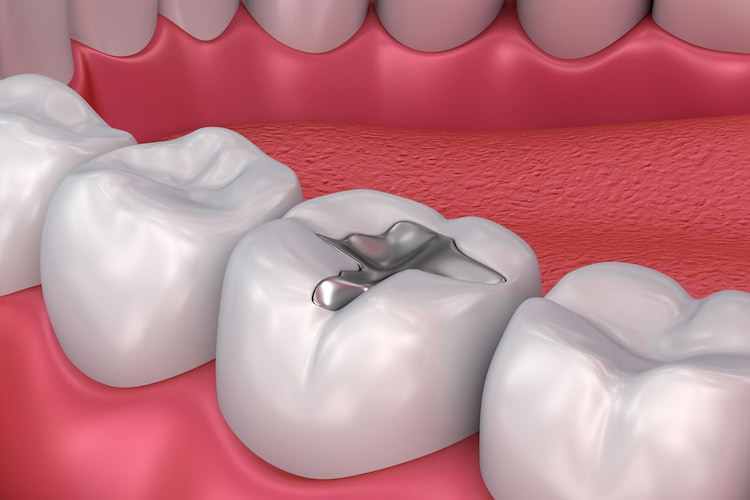
Silver fillings, also known as amalgam fillings, have been used for decades and are known for their durability. Made from a mixture of metals including silver, mercury, and tin, amalgam fillings are highly resistant to wear and tear. This makes them a good choice for cavities in the back teeth, where chewing pressure is highest. They are affordable and can last 10-15 years, but their metallic color may not blend well with natural teeth, so they’re not ideal for visible areas.
2. Tooth-Colored Fillings (Composite Resin)
Tooth-colored fillings, also called composite resin fillings, are made of a mixture of plastic and glass. They are designed to match the color of your natural teeth, making them the preferred choice for fillings in visible areas of the mouth. Composite fillings bond directly to the tooth structure, providing additional strength. While they are not as durable as silver fillings, they typically last 5-7 years and are more aesthetically pleasing.
3. Gold Fillings
Gold fillings are made from a mixture of gold, copper, and other metals. While they are not as common as other filling materials, gold fillings are highly durable and can last 15 years or more with proper care. They are biocompatible, meaning they are less likely to cause allergic reactions. However, gold fillings are quite noticeable due to their bright color, and they tend to be more expensive compared to other options, making them more suitable for back teeth that are out of sight.
4. Ceramic and Porcelain Fillings
Ceramic and porcelain fillings are often used for cavities that are visible in the mouth. Made from durable and stain-resistant ceramic materials, these fillings are known for their natural appearance. They are an excellent choice for those who want a filling that closely matches their natural tooth color. Ceramic fillings also resist wear and staining better than composite resin fillings, but they are more expensive. These fillings can also take more time to place, which could involve multiple visits to the dentist.
5. Glass Ionomer Fillings
Glass ionomer fillings are made from a combination of glass and acrylic materials. They are typically used for fillings in areas that do not experience a lot of chewing pressure, such as near the gum line. One of the unique advantages of glass ionomer fillings is that they release fluoride, which can help protect the tooth from further decay. These fillings are not as durable as other types, but they can be useful for certain dental procedures, particularly in children or those who are sensitive to other materials.
Owing to resiliency, very low shrinkage, and thermal compatibility with tooth structure, glass Ionomer fillings have proven to be liners underneath restorative materials like dental composites (sandwich technique)
Read more on: PubMed Central
What to Expect During the Dental Filling Procedure
Getting a dental filling is a straightforward process, but many people still feel nervous about it. Here’s what you can expect during the procedure, from start to finish.
- The dentist will first numb the area around the tooth with a local anesthetic to ensure you don’t feel pain during the procedure.
- Once the area is numb, your dentist will use a drill or laser to remove the decayed portion of the tooth.
- After the decay is removed, the cavity will be cleaned and shaped to ensure the filling material bonds properly.
- Depending on the type of filling you’re getting, the material will be applied and shaped.
- Composite fillings are hardened with a special light. Finally, the dentist will polish the filling to ensure it feels smooth and comfortable.
For a typical filling procedure, you can expect to spend around 30 to 60 minutes in the dentist’s chair. The time will depend on the size and location of the cavity, as well as the type of filling being used. Larger cavities or fillings that require more detailed work may take longer.
Read More: How Dental Filling Can Improve Your Oral Health
What Happens After Getting a Filling?
After the procedure, you may feel some numbness around the treated area, which will wear off after a few hours. Some people experience mild discomfort or sensitivity in the filled tooth, especially when eating hot, cold, or sweet foods, but this usually fades within a few days. You can return to normal activities immediately, but it’s important to follow your dentist’s aftercare instructions, including avoiding hard or sticky foods until the area has fully healed.

Dental Filling Costs and Insurance Coverage
Dental fillings vary in cost depending on the material used, the location of the filling, and whether the cavity is complex. The cost ranges from about $210 to $500 per tooth. Silver amalgam fillings are usually the most affordable option, while composite fillings cost more.
The cost of your filling will depend on a number of factors, including the material used, the size of the cavity, and its location. Larger cavities in areas that experience heavy chewing pressure, such as the back teeth, may require more material and take more time to fill. Additionally, if the cavity requires multiple visits to complete, the cost may increase. Your location and the dentist’s fees can also play a role in the overall price.
Does Insurance Cover Dental Fillings?
Most dental insurance plans cover the cost of dental fillings, though coverage varies by plan. Basic fillings, like silver amalgam, are usually fully covered or require only a small co-payment. However, more expensive fillings like gold or porcelain may not be fully covered, and you may have to pay out-of-pocket for the difference.

Caring for Your Fillings: Tips and Best Practices
Once you have dental fillings, it’s essential to take care of them to ensure their longevity and prevent any damage. Proper care can help your fillings last longer and keep your teeth healthy.
- Brush your teeth twice a day and floss regularly to keep your fillings free from plaque and debris.
- Visit your dentist for regular check-ups to ensure that your fillings are in good condition.
- If you grind your teeth, consider using a night guard to prevent excessive wear on your fillings.
- Avoid eating hard or sticky foods, like caramel or chewing gum, for a few hours.
- Stay away from extremely hot or cold foods, which might cause sensitivity in the filled tooth for the first few days after treatment.
Need Immediate Dental Care? Contact Our Emergency Dental Office Today!
If you’re experiencing tooth pain, have a cracked or lost filling, or any other dental emergency, don’t wait; contact our Emergency Dental Office right away. Our team is here to provide quick and professional care to get you back to feeling your best, fast!
You can even schedule your filling procedure during the weekend with our Saturday dental care services.
Potential Risks and Complications of Dental Fillings
| Risk | Details |
| Sensitivity After Fillings | Sensitivity to hot, cold, or sweet foods is common post-filling and usually resolves within days. Persistent sensitivity may suggest improper placement, necessitating a dentist’s review. |
| Filling Failure | Fillings can fail due to wear, poor placement, or new decay nearby. A prompt dental visit is needed if a filling cracks or dislodges. |
| Allergic Reactions | Rare, but some patients may have allergic reactions to filling materials like amalgam. Symptoms are irritation or swelling. |
| Tooth or Nerve Damage | Improper drilling or deep fillings may damage the tooth or nerve, causing pain or requiring further treatment like a root canal. |
Conclusion
Dental fillings are a common and effective way to restore damaged teeth, prevent further decay, and keep your smile healthy. Whether choosing silver amalgam, composite resin, or more aesthetic options, there’s a filling material to suit your needs and budget. Remember to take care of your fillings and follow your dentist’s advice to ensure they last as long as possible.
If you’re looking for high-quality dental fillings or ever need urgent dental care, don’t hesitate to contact an Emergency Dental Office to get the help you need quickly.
FAQs
-
What are dental fillings made of?
Dental fillings can be made from several materials, including amalgam (silver), composite resin (tooth-colored), gold, porcelain, and glass ionomer. The material chosen depends on the location and size of the cavity, as well as the patient’s personal preference.
-
How long do dental fillings last?
The longevity of a dental filling depends on the material used. Silver fillings can last up to 15 years, while composite fillings typically last 5-7 years. Gold and porcelain fillings are more durable and can last 15 years or longer with proper care.
-
Are dental fillings painful?
No, dental fillings are not typically painful. The procedure is done under local anesthesia, so you shouldn’t feel any pain during the treatment. After the procedure, you may experience some mild discomfort or sensitivity, but this should subside in a few days.
-
Can I eat after getting a filling?
You can eat after getting a filling, but it’s recommended to wait until the numbness wears off. For the first few hours, avoid chewing hard or sticky foods. Once the anesthesia wears off, you can eat as normal, but try to avoid extremely hot or cold foods if your tooth feels sensitive.
-
How do I know if I need a dental filling?
You may need a dental filling if your dentist detects a cavity during a check-up or if you experience tooth pain, sensitivity to hot or cold, or visible holes in your teeth. Regular dental visits help catch cavities early, so don’t skip your check-ups.
Have you recently had a dental filling or are you considering one? Share your experiences, questions, or tips about dental fillings in the comments below!