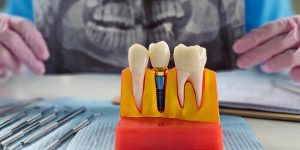
Tooth loss, gum disease, or trauma can lead to more than just visible gaps in your smile; they can also affect the underlying bone in your jaw. Bone grafting is a type of oral surgery that helps rebuild and regenerate bone. If your dentist has recommended a bone graft, understanding the procedure, its necessity, and your options can help you feel more confident and prepared. In this blog, we’ll walk you through everything you need to know about bone grafting, including its types, uses, and recovery.
What Is Bone Grafting?
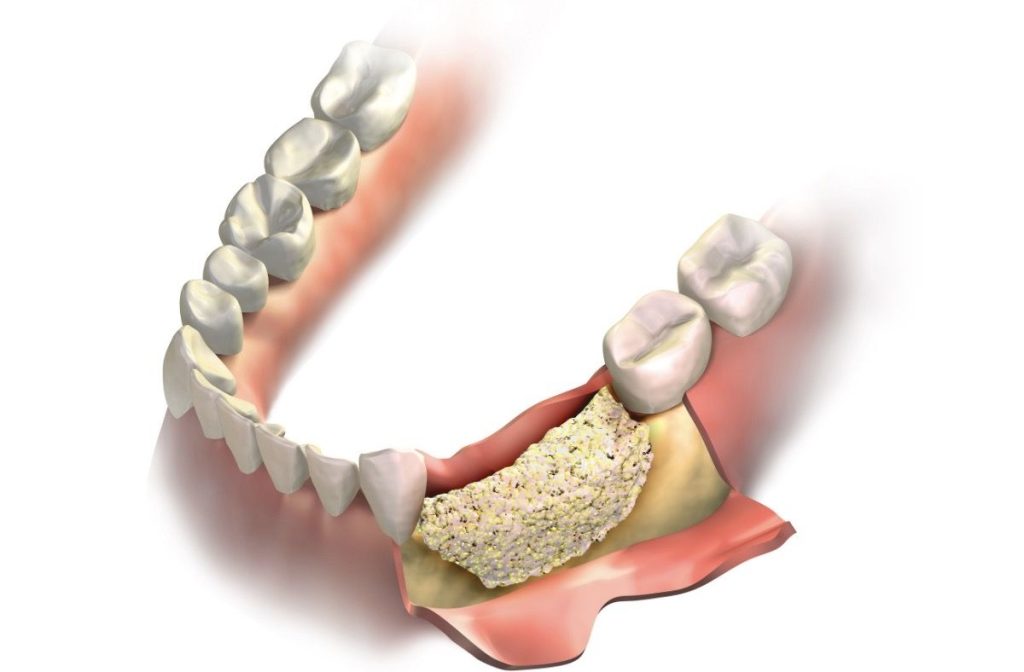
Bone grafting is a surgical procedure used to repair or rebuild bone through the transplantation of bone tissue. In dental care, it’s most commonly performed on the jaw to regenerate bone that has been lost due to various causes like infection, injury, or tooth extraction.
The primary goal of bone grafting in dentistry is to create a solid and stable foundation for dental implants or to maintain facial structure after tooth loss. Depending on the severity and location of the bone loss, the graft can be minor or extensive. Bone grafts stimulate the body’s natural ability to regenerate by creating a scaffold that encourages new bone to grow over time.

Good to Know: Both sinus lift and bone grafting may be recommended before dental implants to strengthen the bone foundation. However, bone grafting is used to rebuild or add bone anywhere in the jaw. A sinus lift, on the other hand, is a specific type of bone graft done in the upper back jaw to raise the sinus floor and create enough space for dental implants.
Why Is Bone Grafting Needed?
Bone grafting isn’t something a dentist recommends lightly. It serves specific purposes to support both the health and aesthetics of your mouth and face. Let’s break down the most common reasons why a patient may need a bone graft.
Bone Loss Due to Tooth Loss or Gum Disease
When a tooth is missing, the jawbone underneath it starts to deteriorate due to a lack of stimulation. Similarly, gum disease (periodontitis) can erode bone around teeth. This loss weakens the jaw and can affect nearby teeth, making it harder to restore your smile with treatments like bridges or implants. A bone graft helps regenerate the lost bone and stops further deterioration.
Preparation for Dental Implants
Dental implants require a certain amount of healthy bone to be successfully placed. If your jawbone isn’t thick enough or is too soft, an implant won’t hold properly. In such cases, a bone graft builds up the area to create a firm base for the implant. Depending on the case, this grafting may be done before or at the same time as implant placement.
Suggested article: Tips to Prepare for Your Oral Surgery Procedure
Facial Structure Preservation
Your jawbone plays a vital role in maintaining your facial shape. Severe bone loss can lead to a sunken appearance, making you look older than you are. Bone grafting helps restore volume and prevent premature facial aging, especially after tooth extractions.
| Cause of Bone Loss | Consequence | Role of Bone Grafting |
| Tooth Extraction | Bone shrinkage | Rebuilds bone for implants |
| Gum Disease | Bone erosion | Regenerates healthy bone tissue |
| Trauma/Injury | Structural damage | Repairs and stabilizes the jaw |
| Aging | Natural bone resorption | Maintains facial appearance |
Types of Bone Grafts
Not all bone grafts are the same. Depending on your condition and preferences, your dentist may recommend one of the following types.
1. Autograft (Own Bone Tissue)
This method uses bone harvested from your own body, often from the chin, hip, or tibia. Since it comes from you, it carries no risk of rejection and typically promotes the best bone regeneration. However, it does involve a second surgical site, which may require more recovery time.
2. Allograft (Donor Bone)
An allograft uses bone from a human donor, typically sourced from a tissue bank. The bone is thoroughly sterilized and processed to ensure safety. This option eliminates the need for an extra surgical site and is widely used for its convenience and effectiveness.
Contact Us for Help!
Need dental implants but not sure if your jawbone is strong enough? Book a consultation today with Emergency Dental Office and let our experts assess your options!
3. Xenograft (Animal Bone Source)
Xenografts are derived from animal sources, most commonly bovine (cow) bone. The graft is carefully processed to be safe and compatible with human tissue. It’s commonly used to maintain space and support bone growth in a gradual, natural way.
4. Synthetic Bone Grafts
These are lab-created materials that mimic natural bone. They often contain calcium-based compounds and may include growth factors to enhance regeneration. While they don’t come from a living source, they are highly customizable and safe.
| Type of Bone Graft | Source | Pros | Cons |
| Autograft | Your own bone tissue | High success rate, no immune response | Additional surgery required |
| Allograft | Donor bone tissue | No second surgical site, widely used | Slightly lower integration rate |
| Xenograft | Animal bone (usually cow or pig) | Excellent for space maintenance | Slower absorption |
| Synthetic Bone Grafts | Man-made materials | Safe, customizable, no disease risk | May integrate more slowly |
Want to know if oral surgery is the best option for your dental issue? Check out this article: When Do Dentists Consider Oral Surgery Treatment Options?
Bone Grafting Procedure and Recovery
Bone grafting is typically an outpatient procedure, meaning you go home the same day. Here’s what the process generally looks like.
- Evaluation and planning: Your dentist will perform imaging (like X-rays or 3D scans) to assess the bone loss.
- Anesthesia: Local anesthesia or sedation will be used to keep you comfortable.
- Placement of graft: The bone graft material is placed in the targeted area and secured with membranes, screws, or plates.
- Healing phase: Over the next several months, your body naturally fuses with the graft, creating new bone.

What to Expect During Recovery
- Swelling and minor discomfort are common in the first few days.
- It can take 3 to 9 months for the graft to fully integrate with your natural bone.
- Regular dental checkups ensure the graft is healing as expected.
Tip: Follow your dentist’s instructions carefully, including diet, oral hygiene, and avoiding smoking, to ensure successful healing.
Conclusion
Bone grafting might sound intimidating, but it’s a powerful and essential procedure that restores not only your oral health but your confidence as well. Whether you need it for dental implants, facial aesthetics, or to repair damage caused by gum disease, modern bone grafting techniques are safe, effective, and tailored to your unique needs.
At Emergency Dental Office, we use advanced tools and personalized care plans to ensure the best outcomes for our patients. Don’t wait until bone loss becomes a bigger issue.
Contact us today to schedule your bone grafting consultation and take the first step toward restoring your smile.
FAQ
-
Why is a bone graft needed?
A bone graft is needed when there’s insufficient bone in your jaw to support dental implants, or when bone loss threatens your oral health or facial structure.
-
What is the purpose of bone grafting after tooth extraction?
After a tooth is extracted, the surrounding bone can shrink over time. Bone grafting helps preserve the site, especially if you plan to get a dental implant in the future.
-
What is the purpose of a bone implant?
A bone implant (or graft) provides a framework for new bone growth. It strengthens and rebuilds areas where bone has been lost, ensuring long-term oral stability and functionality.
-
Why does my dentist say I need a bone graft?
Your dentist likely noticed bone loss or poor bone quality in your jaw, which could interfere with dental implants or affect nearby teeth. A graft helps restore the bone to a healthy condition.
Have more questions? Curious about whether you need a bone graft? Drop your thoughts in the comments below! Our dental experts at Emergency Dental Office are here to help you understand your options.