Dental crowns can restore damaged teeth, improve your bite, enhance your smile, and even prevent future dental emergencies. But what exactly are dental crowns, and how do they work? More importantly, how do dental crowns fix problems and make your teeth stronger and healthier in the long run?
Let’s walk through everything you need to know, from what crowns are made of to how they’re placed and why they’re often the best treatment choice for both function and aesthetics.
What Are Dental Crowns and How Do They Work?
Before we explore the problems crowns can fix, it’s important to know what they are. Crowns aren’t just decorative; they’re functional, protective restorations that bring strength and structure back to weakened teeth.

Overview of Dental Crowns
A crown is like a protective shell for your tooth, custom-shaped, color-matched, and designed to last. When a tooth is damaged, fragile, or heavily restored with a filling, a crown can step in to completely cover and support it.
It covers the entire visible portion of the tooth and helps restore its function, shape, and appearance after damage or decay. It allows you to chew and smile confidently again, without worrying about pain or breaking the tooth further. Check out this helpful guide from WebMD on dental crowns.
Read More: Preventing Tooth Decay: The Best Ways Recommended by Dentists
Common Dental Problems Fixed by Crowns
Dental crowns aren’t just about appearances; they’re essential tools in restoring oral health. Here’s how they help:

Repairing Damaged or Cracked Teeth
If your tooth has a large crack or has been weakened due to trauma, a crown can hold it together and prevent it from breaking further. Without protection, cracks can deepen and eventually lead to tooth loss. Crowns distribute bite forces more evenly, protecting fragile teeth from pressure and further damage.
Restoring Decayed Teeth That Can’t Be Saved with Fillings
Sometimes a cavity becomes too large for a traditional filling to support. In those cases, a crown is used to seal and strengthen the tooth after the decayed area is removed. This is especially common when a root canal has been performed; the tooth is often left hollow and vulnerable, and a crown gives it the reinforcement it needs.
Covering Discolored or Misshapen Teeth
Crowns can also be used for cosmetic reasons. If you have a tooth that’s badly stained (and doesn’t respond to whitening), or if it’s oddly shaped or worn down, a crown can create a perfectly natural and attractive replacement. It’s a complete transformation in one step.
Crowns can also be used for cosmetic reasons. If you have a tooth that’s badly stained (and doesn’t respond to whitening), a crown can create a perfectly natural and attractive replacement.
Need Immediate Dental Help?
Our Emergency Dental Office offers same-day crowns, expert care, and fast relief when you need it most.
Why Choose Dental Crowns for Treatment?
You might be wondering why a crown over other options? Here’s why crowns are often the most effective long-term solution for dental damage:
Durability and Longevity of Dental Crowns
Dental crowns are built to last. With good oral hygiene, most crowns stay in place for 10–15 years or more. Materials like gold or zirconia can even last several decades. Crowns don’t just fix problems temporarily; they’re a long-term solution to protect your smile and avoid more serious (and costly) dental issues in the future.
Aesthetic Benefits: Improving Your Smile
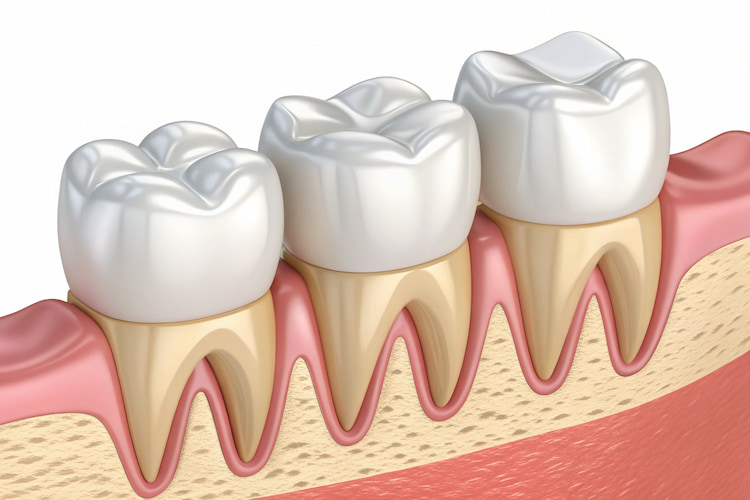
Modern crowns are designed to look just like your natural teeth. Skilled dentists match the shape, size, and color to blend seamlessly with your existing smile. The result? You get a dental restoration that not only works well but looks great, too. For patients with front-tooth damage or discoloration, this can be a major confidence boost.
The Cost and Insurance Coverage for Crowns
Dental crowns typically cost between $1,500 and $2,500 per tooth, depending on the material and location. Many dental insurance plans cover at least part of the cost, especially when the crown is needed for medical reasons, not just cosmetic ones.
Be sure to check with your dentist and insurance provider ahead of time. And if your plan doesn’t cover it fully, many offices offer payment plans or third-party financing to make treatment more affordable!
Types of Dental Crowns (Porcelain, Metal, Ceramic, etc.)
Not all dental crowns are made the same. The best type for you depends on where the crown will go in your mouth, how much pressure it needs to handle, and how natural you want it to look. Here are the most common options:
- Porcelain or ceramic crowns are popular for front teeth because they look the most like your natural enamel.
- Metal crowns, such as gold or base metal alloys, are known for their incredible strength and are ideal for back teeth.
- Porcelain-fused-to-metal (PFM) crowns offer both durability and a natural appearance, though they may show a darker edge near the gums over time.
- Zirconia crowns are extremely durable and aesthetically pleasing, making them a favorite for many patients today.
The right choice depends on where the crown is being placed, how much force it will endure, and your cosmetic preferences.
The Dental Crown Procedure Step by Step
Getting a crown typically involves two visits, though same-day crowns are becoming more common. Here’s what to expect:
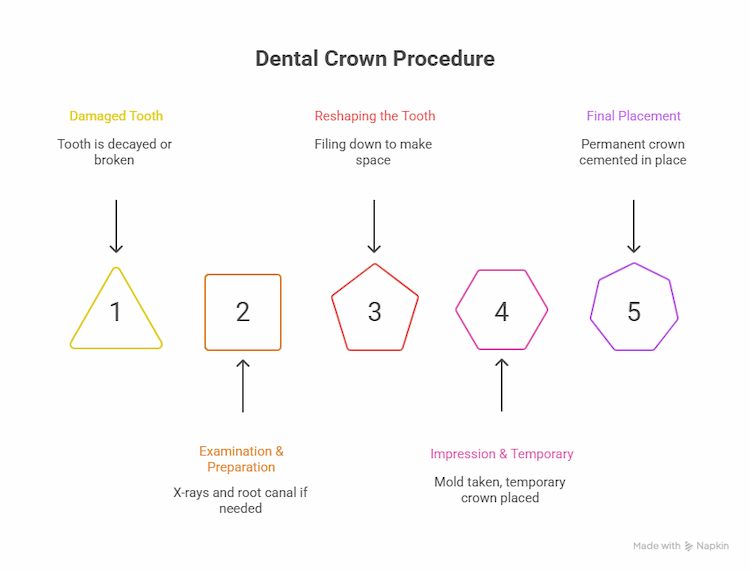
- Examination & Preparation
Your dentist begins by examining the tooth and taking X-rays. If there’s significant damage or infection, a root canal may be needed first. - Reshaping the Tooth
The tooth is gently filed down to make space for the crown. If there’s not enough tooth structure left, your dentist might build it up with a filling material. - Impression and Temporary Crown
A mold or digital scan of your tooth is taken and sent to a lab. You’ll leave with a temporary crown to protect the area. - Final Placement
When your permanent crown is ready, your dentist will remove the temporary one, fit the new crown, and cement it in place. That tooth is now stronger, safer, and better-looking than before.
Who Should Consider Getting a Dental Crown?
Dental crowns aren’t for everyone, but they are a great fit for many. Let’s see who benefits the most from this common yet powerful treatment.
Signs You Might Need a Dental Crown
Certain signs, like persistent pain or tooth sensitivity, can point to the need for a crown. If your tooth feels weak or has had repeated dental work, it may be time. Here are a few signs:
- Your tooth is cracked or chipped
- A filling has worn out or keeps falling out
- You’ve had a root canal recently
- Your tooth is discolored or misshapen
- You experience pain when biting down
Candidates for Dental Crowns: Is It Right for You?
Most people with structurally damaged but salvageable teeth are good candidates for crowns. Your dentist will assess whether the tooth’s root is healthy and whether there’s enough structure to support a crown.
If a tooth is too far gone, you may need an extraction and a different type of restoration, like a dental implant. But in many cases, a crown can save the day and your smile.
Are Dental Crowns Right for You?
Take this quick quiz to find out if dental crowns could be the perfect solution for your smile!
1. Do you have a cracked, chipped, or severely worn tooth?
Post-Crown Care and Maintenance
Once you get your crown, it’s important to care for it like you would your natural teeth. That means: Brushing twice daily with fluoride toothpaste, flossing carefully (especially around the base of the crown), avoiding sticky or super-hard foods that could dislodge or chip it, and seeing your dentist regularly for cleanings and checkups.
Are Dental Crowns Right for You?
Dental crowns are more than just a fix; they’re a long-term investment in your oral health, function, and confidence. Whether you’re dealing with a cracked tooth, severe decay, or simply want to improve your smile, a crown can restore strength and beauty in one smart solution. They’re reliable, long-lasting, and often covered by insurance, making them one of the most practical dental treatments available today.
A quick consultation with your dentist can give you the clarity you need, and possibly save a tooth before it’s too late.
FAQs
-
What problems can dental crowns fix?
Dental crowns can fix a wide range of issues, including cracked, chipped, or broken teeth, large cavities that can’t be filled, teeth that have had a root canal, and even teeth that are badly stained or oddly shaped. They restore both the strength and appearance of a damaged tooth.
-
How long do dental crowns last?
Most dental crowns last between 10 to 15 years, but with good care, they can last even longer. Brushing, flossing, and regular dental checkups help your crown stay strong and stable for many years.
-
Is getting a dental crown painful?
No, the procedure isn’t painful. Your dentist will numb the area, so you won’t feel anything during the treatment. You might feel a little sore or sensitive for a day or two afterward, but it usually goes away quickly.
-
How much do dental crowns cost?
Dental crowns typically cost between $1,500 and $2,500 per tooth, depending on the material used and where the crown is placed. Insurance may cover part of the cost if the crown is medically necessary. Always check with your dentist and insurance provider for details.
-
Can a dental crown fix a broken tooth?
Yes! A crown is often the best way to fix a broken tooth. It covers and protects what’s left of the tooth, preventing further damage and restoring its shape, strength, and appearance.
Share Your Thoughts
Have you ever had a dental crown? Thinking about getting one?
We’d love to hear your experience or answer any questions you have.