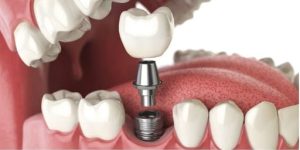
When you want to replace your missing teeth, understanding the different types of dental implants, their benefits, and potential risks can help you choose the best option for your needs. Your options are:
- Endosteal Implants
- Subperiosteal Implants
- Zygomatic Implants
| Type of Implant | Ideal For | Benefits | Considerations |
| Endosteal Implants | Healthy jawbone density | Stable, durable, and natural-looking | Requires sufficient bone for placement |
| Subperiosteal Implants | Limited jawbone availability | Less invasive, no bone graft needed | Less stable than endosteal implants |
| Zygomatic Implants | Severe bone loss | Avoids bone grafting, suitable for extreme cases | Complex and requires experienced specialists |
Dental implants are safe, versatile, durable, and designed to restore both function and appearance, whether you’re dealing with one missing tooth or several. In this blog, we’ll break down the various types, key considerations, and what to expect from the process, so you can find the perfect fit for your smile.
3 Types of Dental Implants
Understanding each option for dental implants can help you to decide which one is perfect for you. Here we explain what you need to know to make your decision.
1. Endosteal Implants (The Most Common Type)
According to Healthline, Endosteal implants are placed directly into the jawbone and act as artificial tooth roots to support crowns or bridges. These implants are ideal for patients with healthy bone density and are known for their stability and durability.
We once treated a patient who felt self-conscious about their missing molar. After opting for endosteal implants, they shared how eating and smiling felt completely natural again. They even joked about forgetting which tooth wasn’t real!
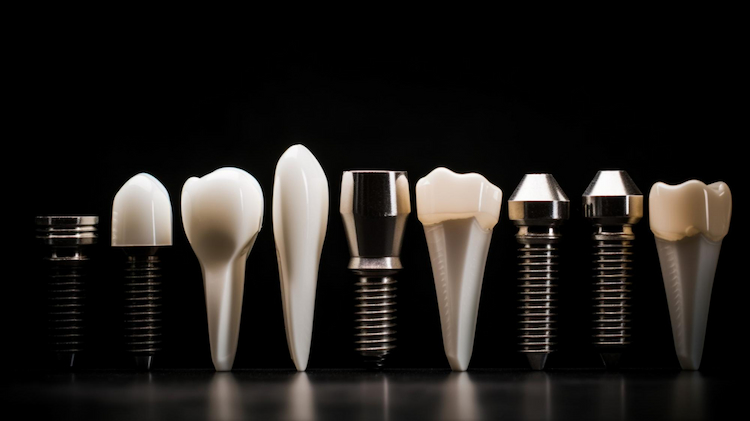
2. Subperiosteal Implants (For Limited Jawbone Availability)
Subperiosteal implants are used when a person’s jawbone lacks the necessary density for endosteal implants. This approach is less complex and is often utilised when bone graft procedures are impractical. Subperiosteal implants are fixed under the gum and right on the jawbone.
3. Zygomatic Implants (For Severe Bone Loss)
Zygomatic implants are anchored into the cheekbone rather than the jawbone, which makes them a very good option for patients with extreme loss of bone. This is, however, a more elaborate procedure and negates the need for bone grafting.
Comparing Types of Dental Implants
| Features | Endosteal Implants | Subperiosteal Implants | Zygomatic Implants |
| Placement | Inserted into the jawbone | Placed under the gum but above the jawbone | Anchored in the cheekbone (zygoma) |
| Material | Titanium or ceramic | Metal framework | Titanium |
| Best for | Patients with good jawbone density | Patients with insufficient jawbone who cannot undergo bone grafting | Patients with severe jawbone loss |
| Procedure Complexity | Standard, most common procedure | Complex, requires specialised expertise | Complex, requires specialized expertise |
| Healing Time | 3 to 6 months | Shorter than endosteal implants | Longer healing time due to bone integration |
| Durability | High, long-lasting | Less stable than endosteal implants | Very durable and stable |
| Bone Grafting Needed? | Sometimes, if bone density is low | No, as it sits on the bone | No, as it uses the cheekbone for support |
| Common Usage | Most commonly used type of implant | Alternative for patients who cannot receive endosteal implants | Rare, used in extreme cases of bone loss |
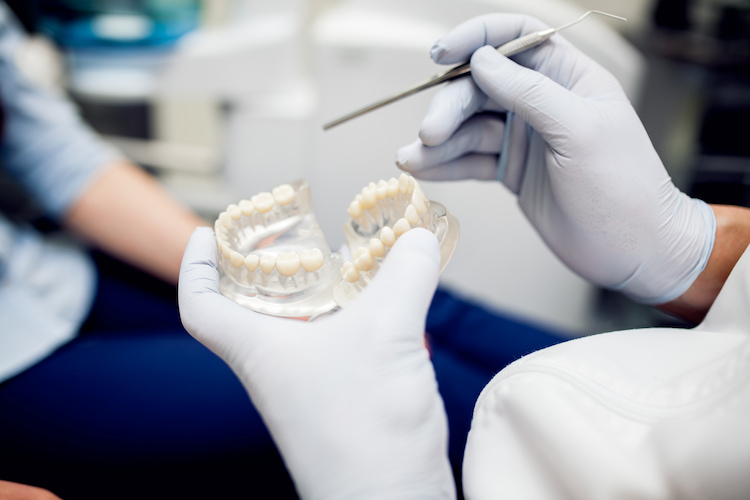
3 Factors to Consider When Choosing a Dental Implant
There are some factors that you must consider before the implants so you won’t have any regrets afterwards.
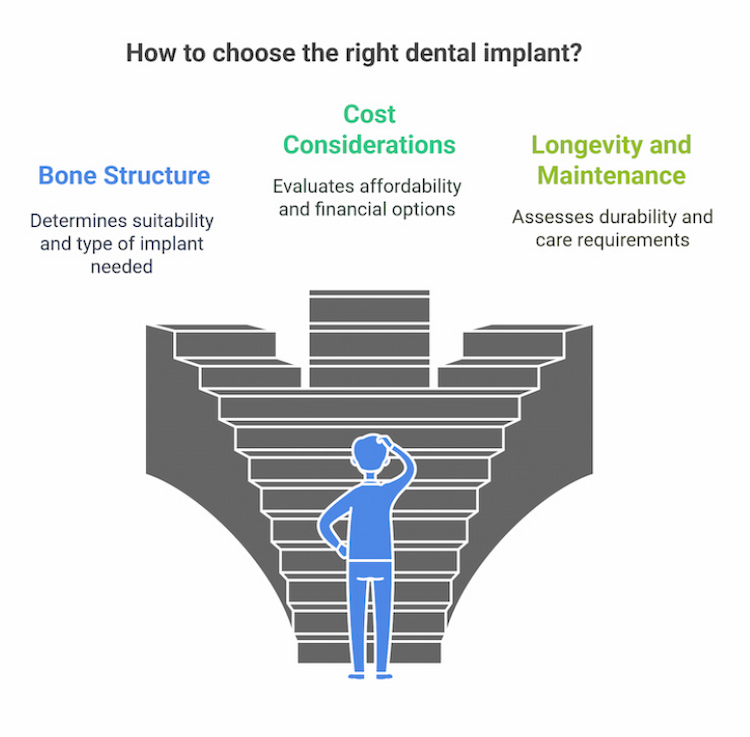
1. Bone Structure and Health
The quality and density of your jawbone are crucial in determining which type of implant is suitable for you. For patients with insufficient bone, options like subperiosteal or zygomatic implants may be recommended.
2. Cost and Budget Considerations
Dental implants can range from $1,500 to $6,000 per tooth, depending on the type of implant, location, and any additional procedures required, like bone grafting. While they’re a significant investment, their long-term benefits, such as durability and natural appearance, often outweigh the initial cost. Discussing affordable dental implant options with your dentist can help find a solution that fits your budget, including financing options or payment plans.
3. Longevity and Maintenance of Implants
Dental implants are renowned for their durability, often lasting 25 years or more with proper care. Regular dental check-ups, typically every 6–12 months, are crucial to ensure the implants are in good condition. Good oral hygiene, including brushing twice a day and flossing, plays a key role in preventing gum disease, which can affect the implants’ longevity. With the right maintenance, dental implants can function and look like natural teeth for decades.
Step-by-Step Procedure for Getting an Implant
Getting a dental implant is a multi-step process designed to provide a strong and durable replacement for missing teeth. Here’s how it works:
- Step 1: Consultation and Evaluation
Your dentist will examine your mouth, take X-rays, and assess the condition of your jawbone. If your bone density is insufficient, additional procedures like bone grafting may be required to prepare the area for the implant. - Step 2: Implant Placement Surgery
During this procedure, a titanium post (the implant) is surgically placed into your jawbone. Local anesthesia is used to ensure you’re comfortable, and the surgical site is stitched up to begin healing. - Step 3: Healing and Osseointegration
This crucial step involves the implant fusing with your jawbone—a process called osseointegration. It typically takes a few months (3–6) for the implant to integrate fully, ensuring a strong foundation for the artificial tooth. - Step 4: Attaching the Abutment
Once the implant is stable, an abutment—a small connector—is attached to the implant. This will hold the final restoration in place. - Step 5: Final Restoration Placement
A custom-made crown, bridge, or denture is then securely attached to the abutment. The restoration is designed to blend seamlessly with your natural teeth in both appearance and function. - Step 6: Follow-Up Care
Regular check-ups and good oral hygiene are essential to maintain the implant and surrounding gum health, ensuring the success of the procedure in the long term.
Restore Your Smile Immediately!
Ready to transform your smile with the right dental implant? At Emergency Dental Office, we specialise in personalised tooth replacement options to suit your needs.
A: Recovery Time and Aftercare
Recovery from dental implant surgery varies depending on the complexity of the procedure and your body’s healing rate. Here’s what to expect:
- Initial Days
- Mild discomfort, swelling, and bruising are common.
- Use prescribed painkillers and ice packs to manage symptoms.
- First Few Weeks
- Swelling and soreness should gradually subside.
- Stick to soft foods and avoid chewing near the implant site.
- 3 to 6 Months
- This is the osseointegration phase, where the implant fuses with the jawbone.
- Regular dental visits are necessary to monitor healing progress.
By following your dentist’s aftercare instructions and attending scheduled check-ups, you can ensure a smooth recovery and the success of the implant.
One of our patients was pleasantly surprised by how smooth their recovery was after following the aftercare instructions. They stuck to soft foods, like mashed potatoes and smoothies, and were diligent with their oral hygiene routine, using a special rinse and brushing gently. After a few weeks, the swelling went down, and they felt much more comfortable, with no major issues by the end of the recovery period.
B: Potential Risks and Complications
Dental implants are generally safe, but like any surgery, they come with some risks. These include:
- Infection: The surgical site could become infected if proper aftercare isn’t followed.
- Implant Failure: In some cases, the implant may fail to integrate with the bone properly.
- Nerve Damage: Rarely, nerve damage can occur during the procedure, leading to numbness or tingling.
These risks are rare and can be mminimisedby choosing a qualified dental professional. Regular check-ups are crucial for detecting any potential issues early.

Not sure which type of dental implant suits your needs? Contact the Emergency Dental Office and let our professional dentists help you decide!
FAQs
-
How long does the dental implant procedure take?
The entire dental implant process, including healing time, can take several months. This timeline depends on factors like bone grafting needs and individual healing rates.
-
Is the dental implant procedure painful?
The procedure itself is done under anesthesia, so you won’t feel pain during it. Post-surgery, you may experience some discomfort, which can be managed with prescribed medication.
-
Can dental implants be used to replace multiple teeth?
Yes, dental implants can replace multiple teeth using implant-supported dentures or bridges. These solutions are stable, durable, and designed to restore full functionality.
-
How do I know if I’m a candidate for dental implants?
A dentist will evaluate your oral health, bone structure, and medical history to determine your candidacy. Good candidates generally have healthy gums and adequate bone density to support implants.